
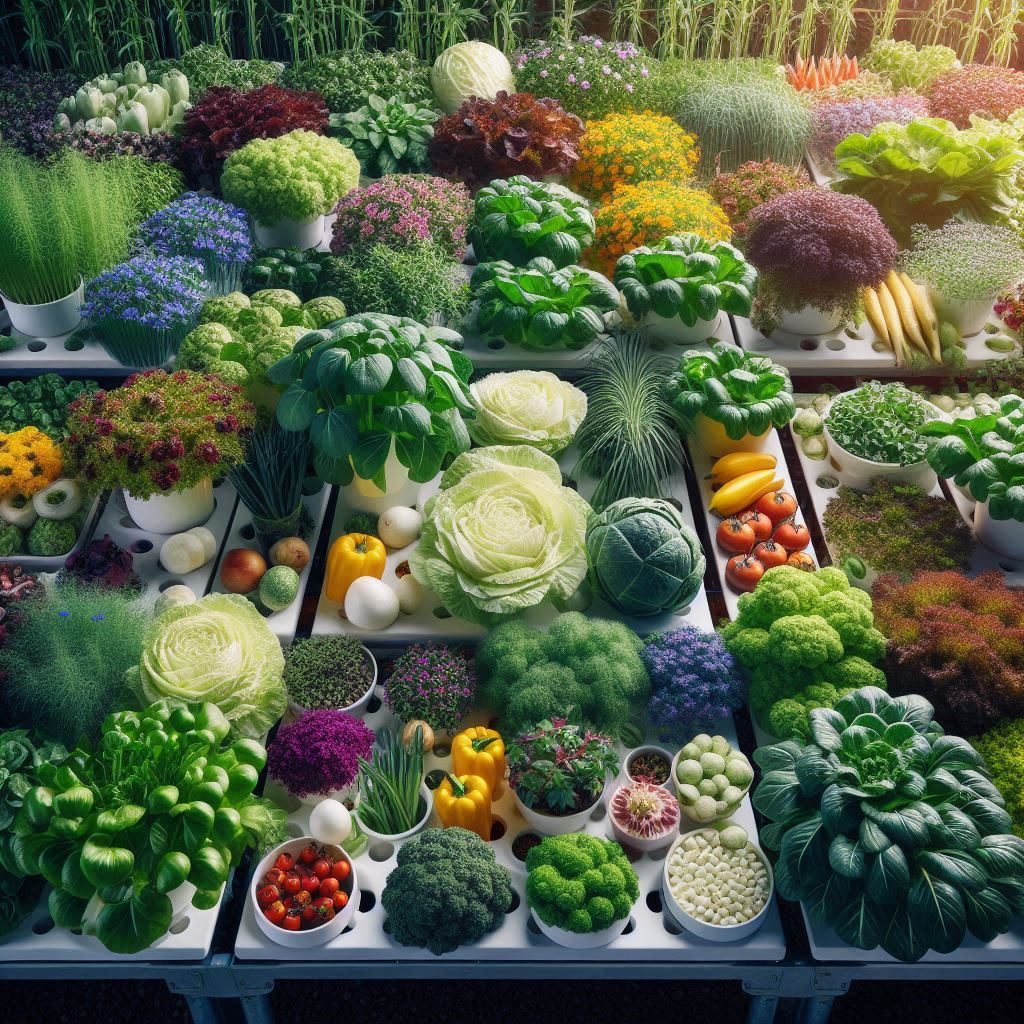
Hydroponic Plants in Australia: What You Can Grow
What plants can you grow hydroponically in Australia?
You can grow more than 70 different plants hydroponically in Australia. That covers leafy greens and lettuces, fresh herbs, fruiting vegetables like tomatoes, capsicum and eggplant, brassicas, cucurbits, alliums, strawberries and edible flowers. Fast leafy crops like lettuce, spinach and basil are the easiest place to start. Fruiting crops take a little longer, but indoors they do well all year, even through winter.
Think of this page as your home base. Pick any plant below to open its free LaNiTex grow guide. Each one is written for Australian conditions and covers the timing from seed to harvest, the nutrient and pH levels to aim for, and how to fix common problems like yellowing leaves and root rot.

Lettuce
Crisp salad leaves that grow fast in water. The easiest crops for a first hydroponic harvest.
- Butterhead lettuce
- Cos (Romaine) lettuce
- Iceberg lettuce
- Batavia lettuce
- Lollo lettuce
- Oak leaf lettuce
Leafy & Asian greens
Nutrient-dense greens and quick-growing Asian vegetables for salads and stir-fries.
- Rocket (arugula)
- Spinach
- Silverbeet (chard)
- Kale
- Ornamental kale
- Collard greens
- Red Malabar spinach
- Kangkung (water spinach)
- Mizuna
- Mustard greens
- Komatsuna
- Tokyo bekana
- Hon tat tsai
- Bok choy
- Choy sum
- Sorrel
Brassicas
Broccoli, cauliflower and the rest of the cabbage family, best grown in the cooler months.
Herbs
Fresh kitchen herbs on tap, whenever you need them.
Fruiting vegetables
Tomatoes, capsicum and other fruiting crops that do really well indoors.
Cucurbits
Cucumbers, melons and squash. They're climbers, so give them plenty of light and something to grab onto.
Alliums
Onion-family crops you can snip fresh as you need them.
Fruit
Sweet hydroponic fruit, grown indoors.
Edible flowers
Bright, edible blooms for garnishes, salads and a bit of colour your pollinators will love.
- Nasturtium
- Marigold
- Calendula
- Pansy & viola
- Cosmos
- Zinnia
- Sunflower
- Stock
- Celosia
- Chrysanthemum
- Amaranth
Frequently asked questions
What plants can you grow hydroponically in Australia?
Almost any leafy green, herb, salad crop, fruiting vegetable, brassica, cucurbit or edible flower can be grown hydroponically in Australia. The easiest and fastest are leafy greens and herbs, like lettuce, spinach, kale, basil and coriander, which can be ready in a few weeks. Fruiting crops like tomatoes, capsicum and strawberries take longer, but they grow well indoors too.
What are the easiest plants to grow hydroponically for beginners?
Leafy greens and herbs are the easiest hydroponic plants for beginners. Lettuce, spinach, rocket, bok choy, basil and mint grow quickly and need very little fuss, so they are a forgiving place to start before you move on to fruiting crops like tomatoes or cucumbers.
Can you grow tomatoes and other fruiting vegetables hydroponically in Australia?
Yes. Tomatoes, capsicum, chillies, eggplant, cucumbers and strawberries all grow well hydroponically in Australia. They take longer than leafy greens and need good light and a bit of support as they grow, but indoors you can grow them right through the year, whatever the weather is doing outside.
Do hydroponic plants need special seeds?
No. Hydroponic plants use the same standard seeds you would plant in soil, so there is no such thing as a special hydroponic seed. You start the seeds in a soil-free medium like a germination mat or grow plug, then move them into the system once they sprout.
How long do hydroponic plants take to grow?
It depends on the crop. Fast leafy greens and herbs like lettuce, rocket and basil can be ready to harvest in roughly three to five weeks. Fruiting crops like tomatoes, capsicum and cucumbers take longer, usually a few months from seed to first harvest. Each LaNiTex grow guide lists the expected timeline for that specific plant.
Which plants are hard to grow hydroponically?
Large root crops and tubers like potatoes and carrots are harder to grow hydroponically, because they need room to develop underground. Very large or sprawling plants can be impractical indoors too. Most leafy, herb, salad and fruiting crops, though, are well suited to it.
Grow them in a LaNiTex hydroponic system
Every plant above grows in a LaNiTex indoor hydroponic system. Browse the full range of hydroponic systems. LaNiTex Hydro Garden is Australian owned, based on the Sunshine Coast, Queensland.
Grow smart, eat fresh with LaNiTex Hydro Garden.
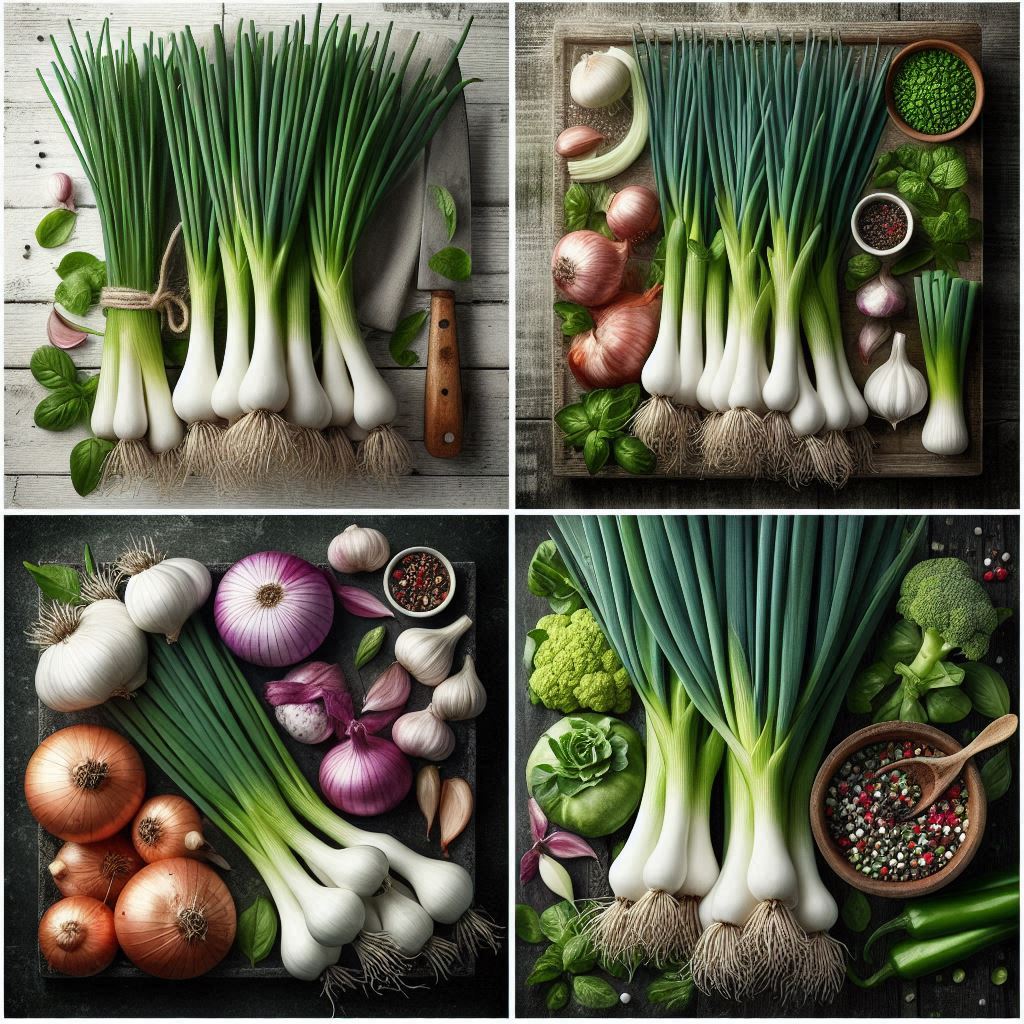
Hydro Garden: Allium Vegetables
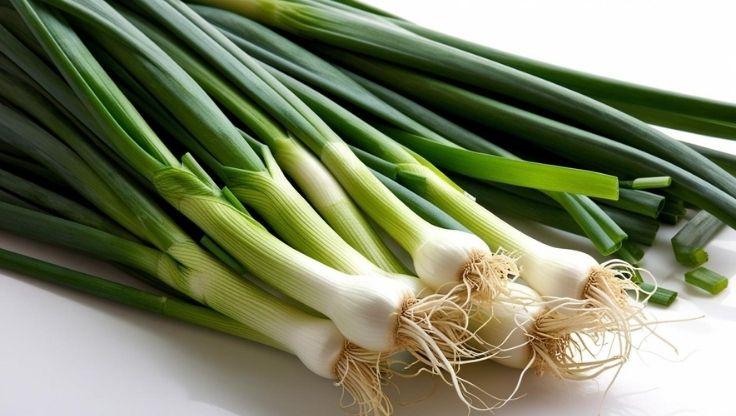
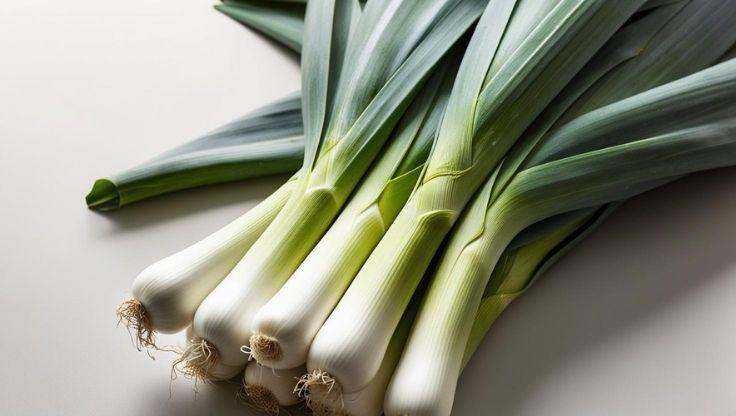
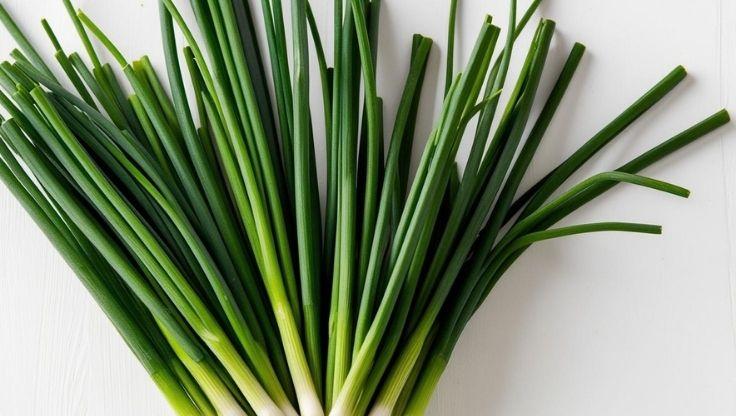
Allium vegetables, such as onions, garlic, leeks, chives, scallions, and shallots, are essential ingredients in global cuisine, valued for their bold flavors and health benefits. Rich in organosulfur compounds, these vegetables possess antibacterial, antioxidant, and anti-inflammatory properties, supporting immune function and heart health.
Beyond traditional soil-based farming, Allium vegetables thrive in Hydro Garden systems. Hydroponic cultivation offers a sustainable and efficient approach to growing these nutrient-dense plants, providing essential vitamins like vitamin C, fiber, and minerals. With controlled environments ensuring optimal growth, Hydro Garden methods allow for fresh, high-quality Allium harvests year-round.
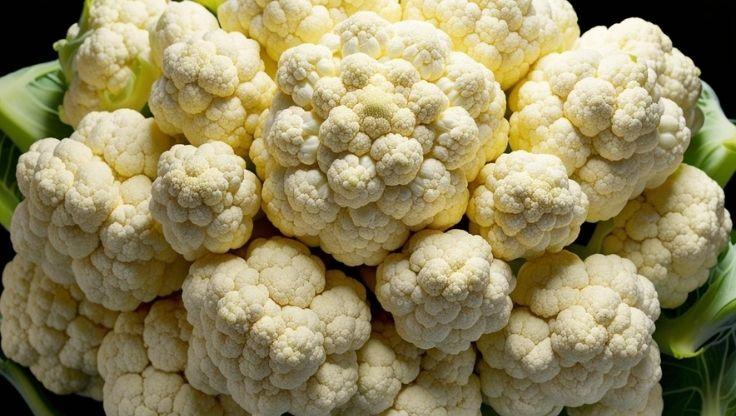

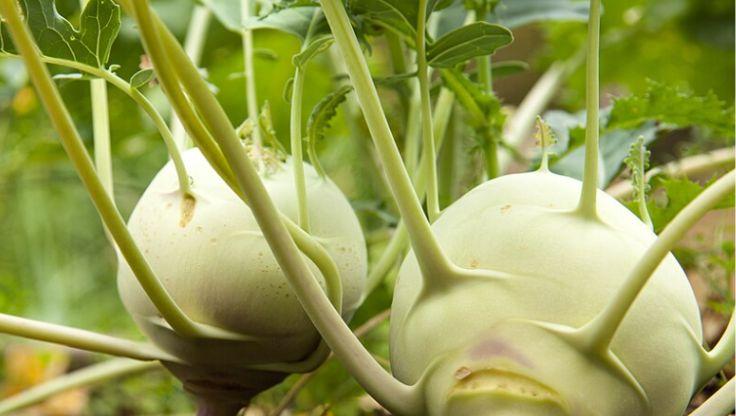
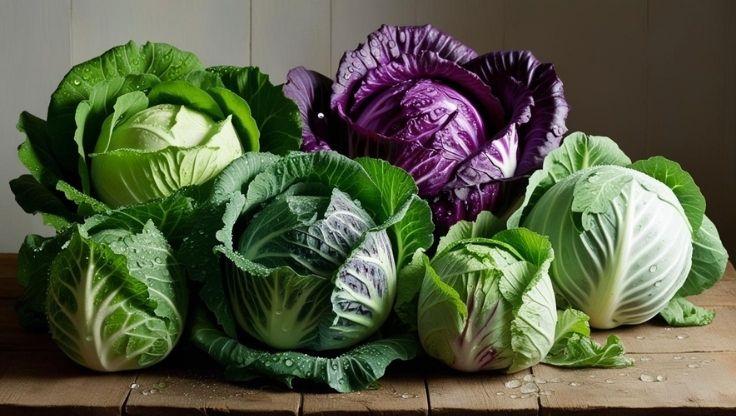
Hydro Garden: Brassica Vegetables
Brassica vegetables, including broccoli, cauliflower, cabbage, kale, Brussels sprouts, turnips, and mustard greens, are packed with essential nutrients like vitamin C, fiber, and antioxidants. Their glucosinolates, natural compounds responsible for their distinct flavors, contribute to potential anti-inflammatory and cancer-fighting benefits. Known for their adaptability, these hardy plants thrive in both traditional soil-based farming and Hydro Garden hydroponic systems, ensuring efficient, sustainable cultivation year-round.
With Hydro Garden, Brassica vegetables grow in controlled environments, maximizing yield and quality while minimizing resource consumption. Whether enjoyed raw, steamed, roasted, or fermented, they remain a staple in nutritious diets worldwide, offering bold flavors and significant health benefits through innovative hydroponic cultivation.
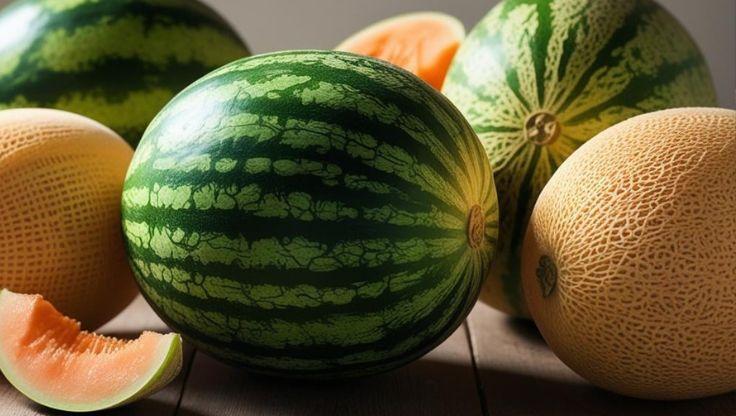
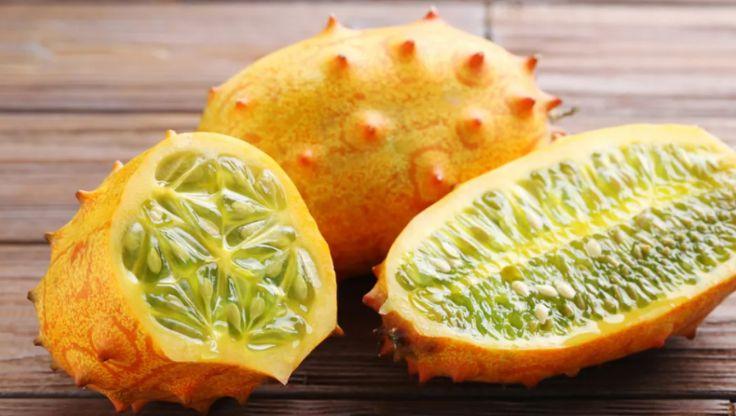

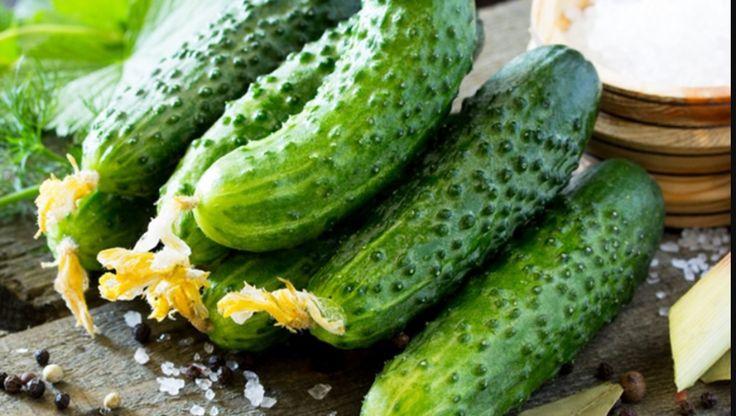
Hydro Garden: Cucurbit vegetables
Cucurbit vegetables, including cucumbers, pumpkins, squash, melons, and gourds, are prized for their vibrant growth, nutritional benefits, and culinary versatility. Packed with vitamins A and C, fiber, and antioxidants, these nutrient-rich plants support digestion, hydration, and immune health. Some varieties, like bitter melon, even offer medicinal properties used in traditional remedies.
With Hydro Garden, cucurbits thrive in hydroponic systems, ensuring optimal nutrient absorption, water efficiency, and disease resistance. Hydroponic cultivation enables year-round production, making these vegetables a sustainable choice for modern agriculture while maximizing yield and freshness in controlled environments.


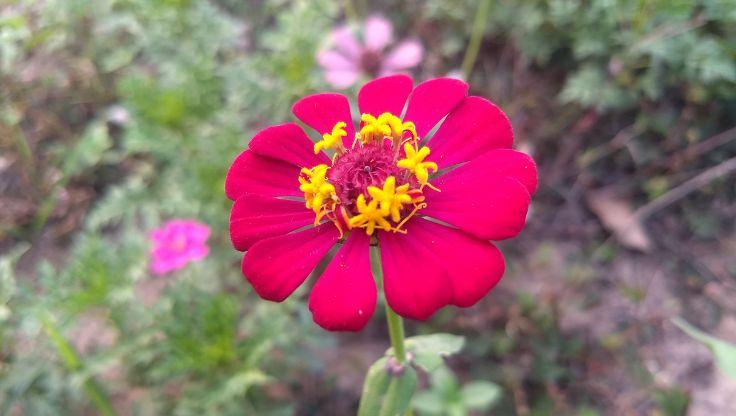

Hydro Garden: Flowers
Many flowers flourish in Hydro Garden hydroponic systems, benefiting from controlled environments that enhance growth, nutrient absorption, and water efficiency. Hydroponic cultivation allows for vibrant, high-quality blooms year-round, making it an ideal choice for sustainable floriculture.
Popular hydroponic flowers include orchids, chrysanthemums, carnations, lavender, marigolds, and geraniums—all well-suited for growing without soil. With Hydro Garden, these flowers develop strong roots, resist diseases effectively, and maintain their stunning beauty while maximizing yield and freshness. Whether for decorative purposes or commercial cultivation, hydroponic flower farming ensures eco-friendly and consistent production.
Hydro Garden: Herbs
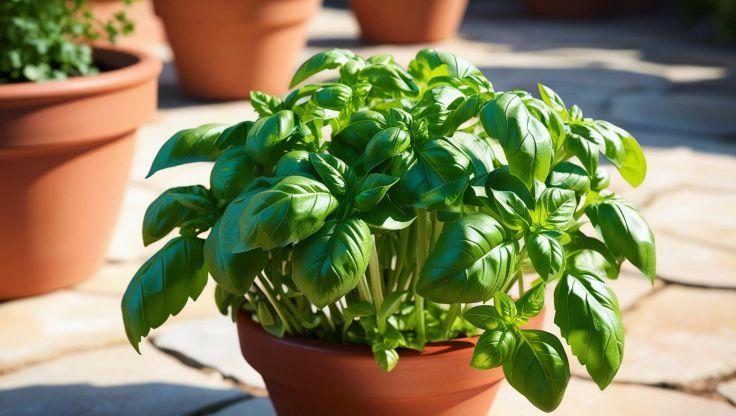
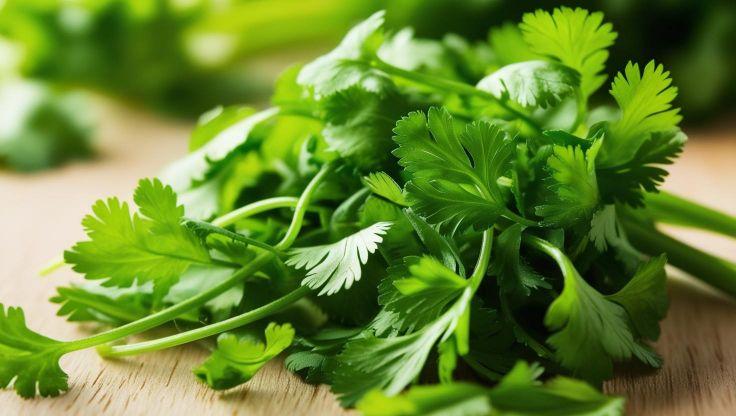
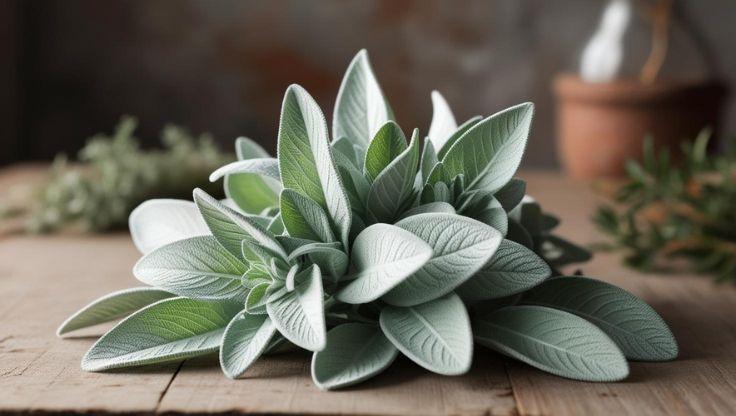
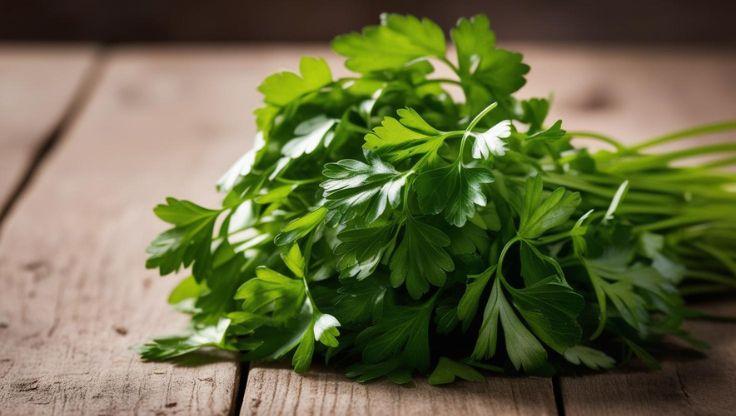
Herbs are a staple in kitchens and natural remedies, offering vibrant flavors, aromatic qualities, and numerous health benefits. From culinary favorites like basil, mint, rosemary, thyme, cilantro, and oregano to medicinal herbs such as chamomile and lavender, these plants are essential for seasoning, teas, and wellness practices.
With Hydro Garden, herbs thrive in hydroponic systems, ensuring efficient, soil-free cultivation while maximizing nutrient absorption. Hydroponic herbs grow faster, remain pest-resistant, and provide year-round freshness, making them a perfect choice for home gardens or large-scale production. Whether enhancing dishes or supporting holistic health, hydroponically grown herbs offer sustainability, convenience, and superior quality.
Hydro Garden: Lettuce
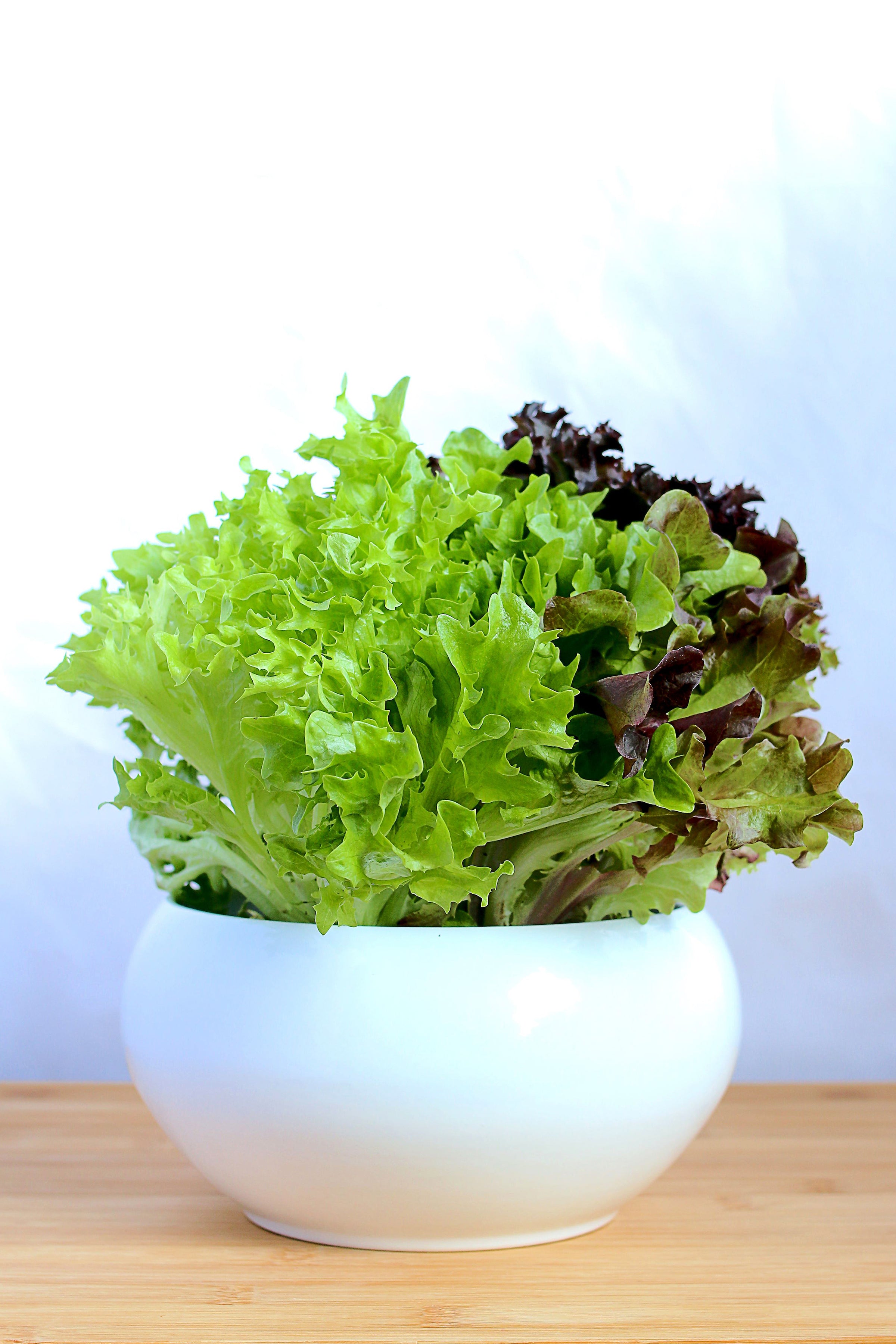
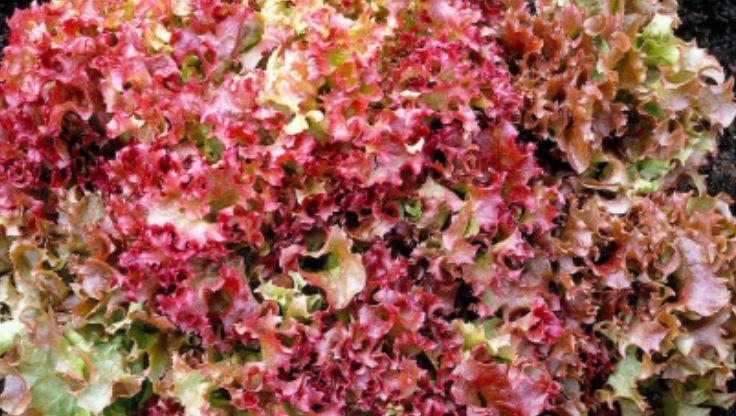
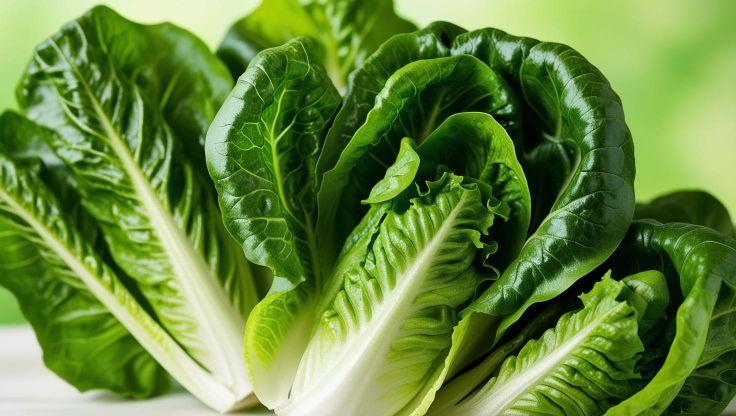
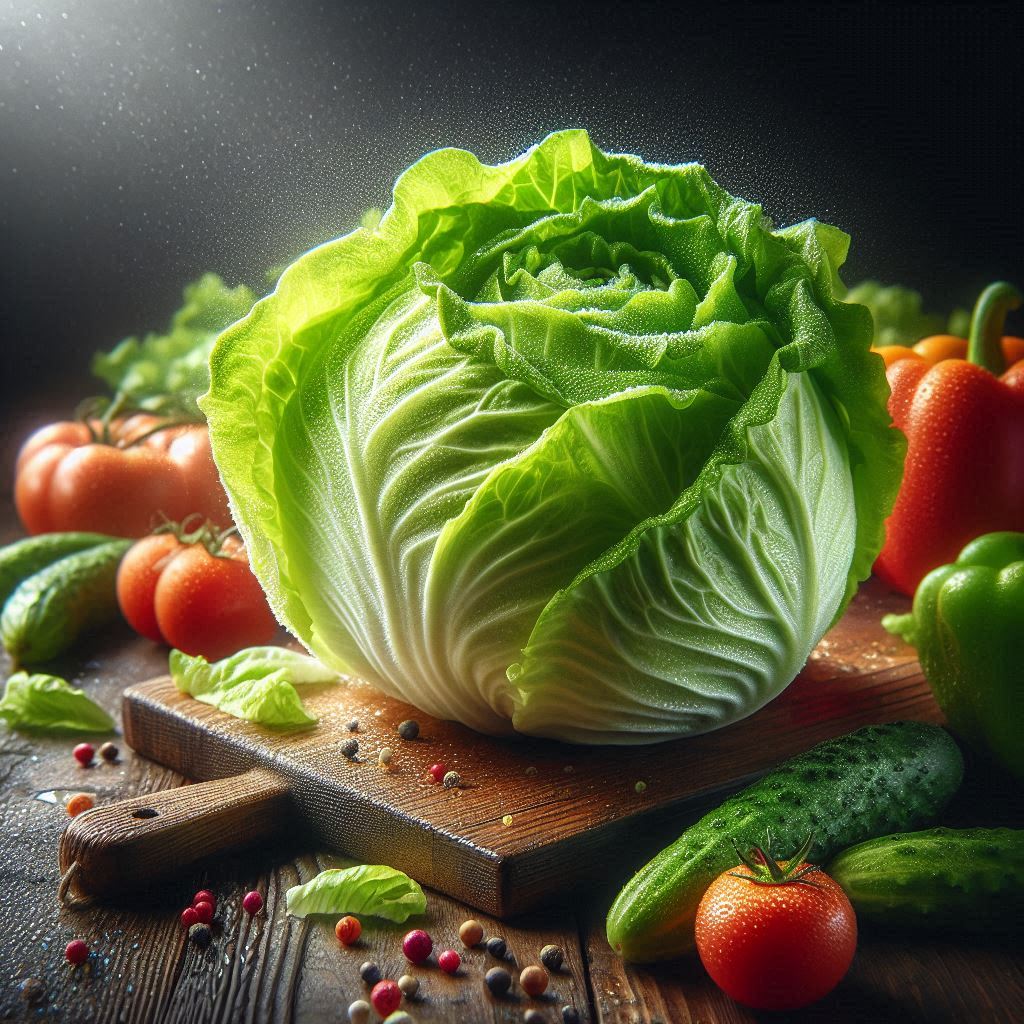
Lettuce is one of the most popular crops for Hydro Garden cultivation, thriving in hydroponic systems that provide optimal nutrient absorption and water efficiency. With no soil required, hydroponic lettuce grows faster, remains pest-resistant, and ensures consistent, high-quality harvests year-round.
From crisp romaine to tender butterhead and vibrant leaf lettuce, hydroponic methods allow for fresh, flavorful greens that are perfect for salads, sandwiches, and wraps. Hydro Garden technology maximizes space, conserves water, and promotes sustainable farming, making hydroponic lettuce an ideal choice for modern agriculture and home growers alike.
Indoor Hydroponic Systems
-
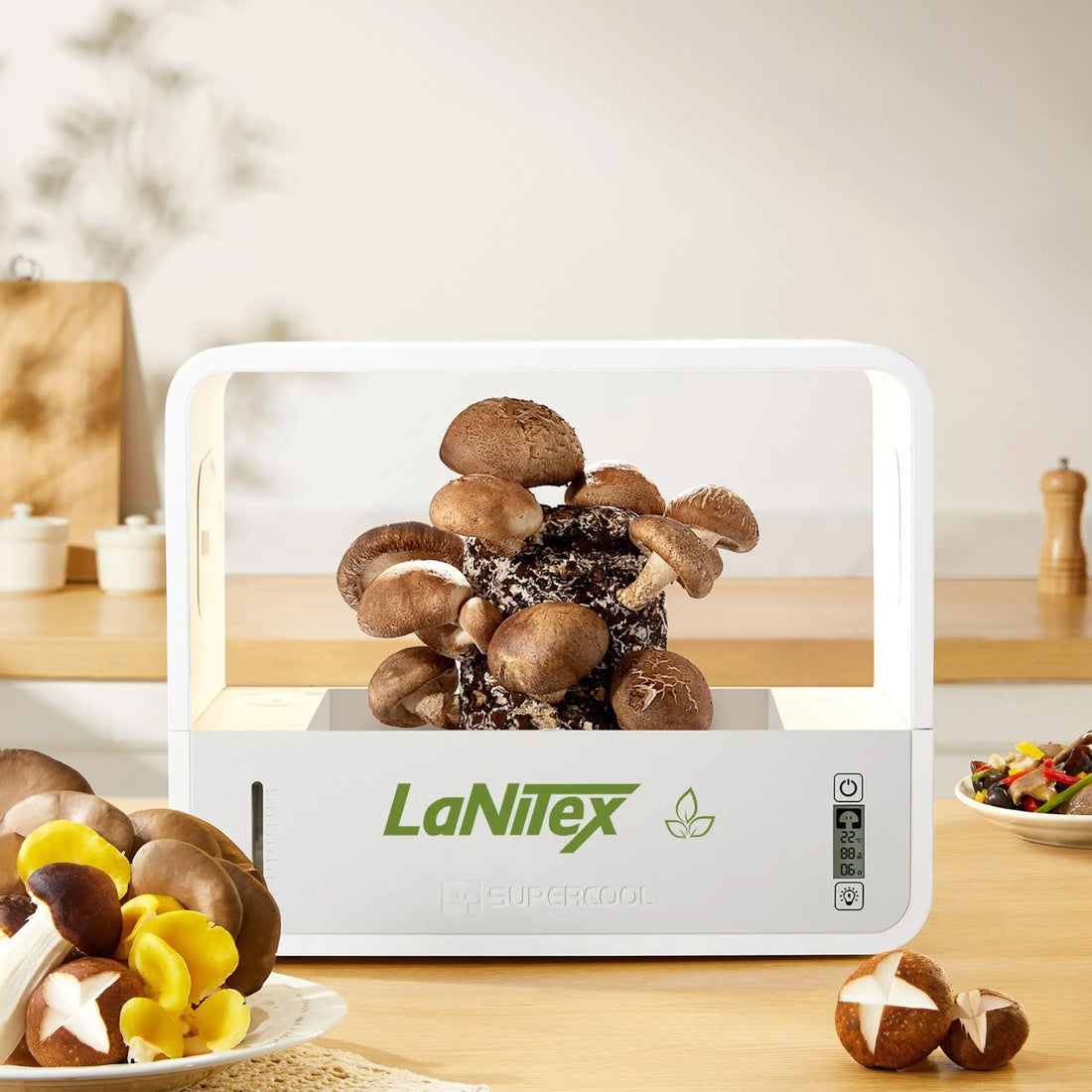 Smart Mushroom Growing BoxSmart Mushroom Growing Box
- Regular price
-
$219.00 AUD - Regular price
-
- Sale price
-
$219.00 AUD
Quick view
-
 Smart Microgreen Growing Kit – Black MetalSmart Microgreen Growing Kit – Black Metal
- Regular price
-
$129.00 AUD - Regular price
-
- Sale price
-
$129.00 AUD
Quick view
-
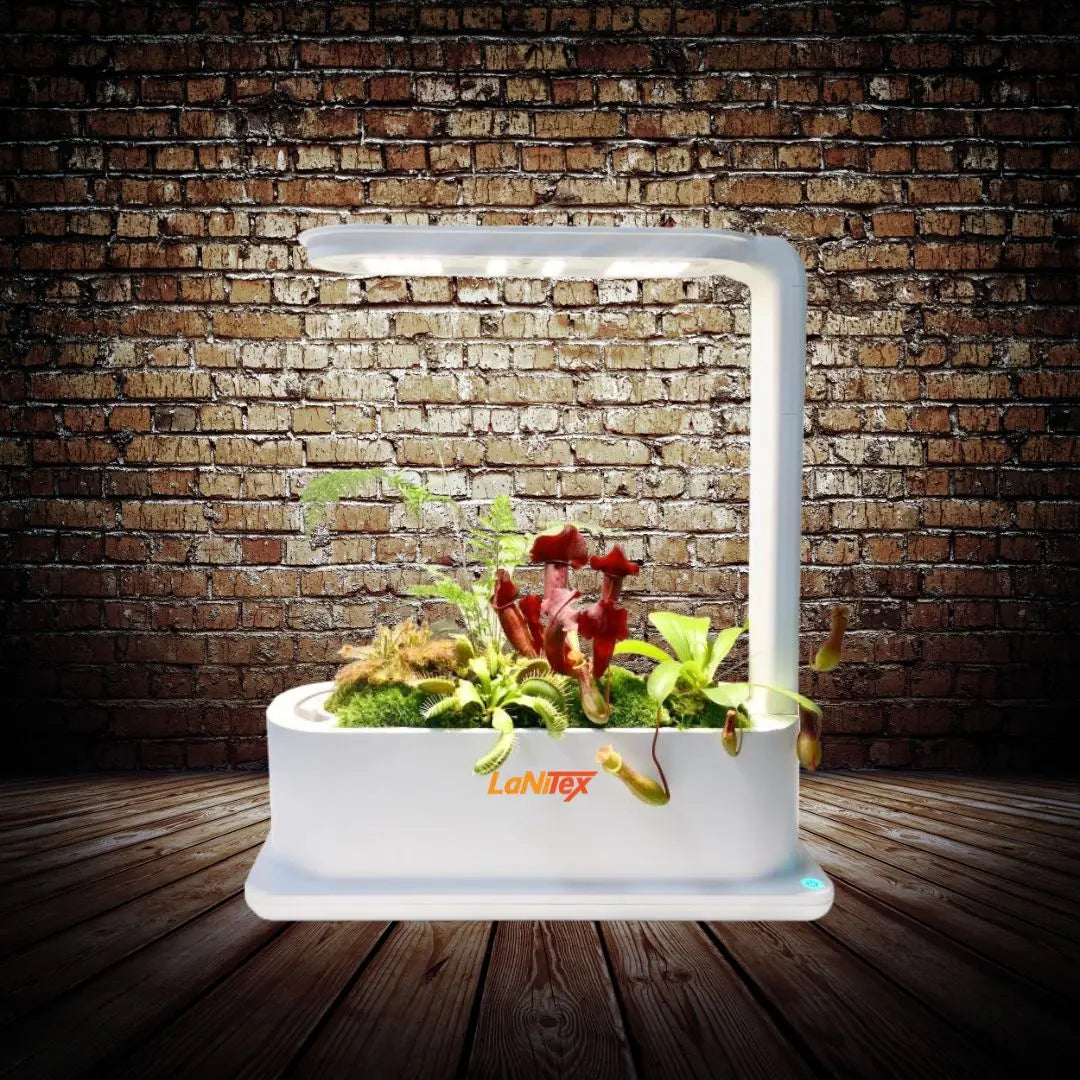 Indoor Herb Garden Hydroponic Kit – 3-Pod Grow Box with Desk Lamp Style Grow LightIndoor Herb Garden Hydroponic Kit – 3-Pod Grow Box with Desk Lamp Style Grow Light
- Regular price
-
$139.00 AUD - Regular price
-
- Sale price
-
$139.00 AUD
Quick view
-
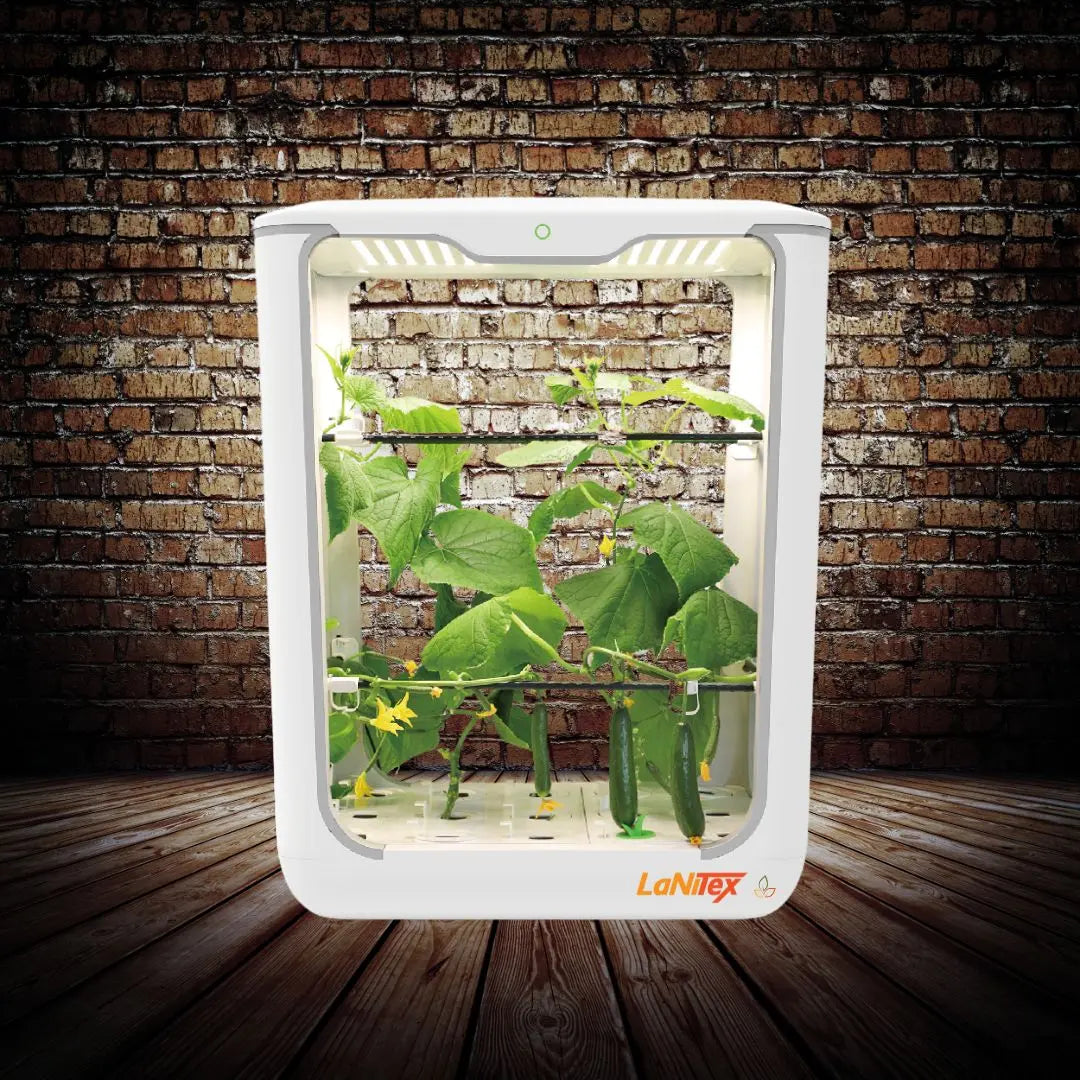 Hydroponic system: Grow Box Tall versionHydroponic system: Grow Box Tall version
- Regular price
-
$650.00 AUD - Regular price
-
- Sale price
-
$650.00 AUD
Quick view
-
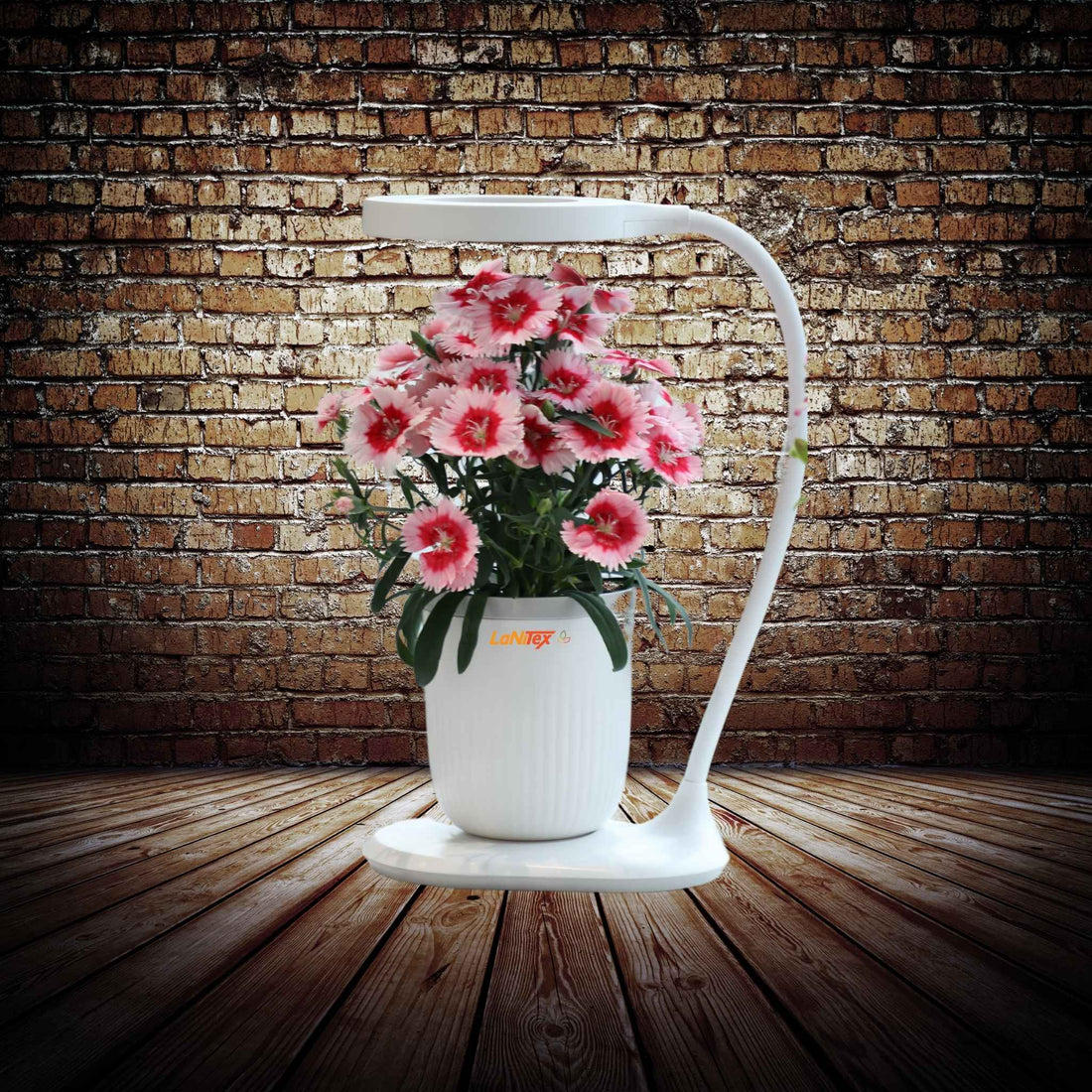 MINI Indoor Grow Pot – Self Watering Plant Pot with Grow Light, Reading, Warm and Night ModesMINI Indoor Grow Pot – Self Watering Plant Pot with Grow Light, Reading, Warm and Night Modes
- Regular price
-
$75.00 AUD - Regular price
-
- Sale price
-
$75.00 AUD
Quick view
-
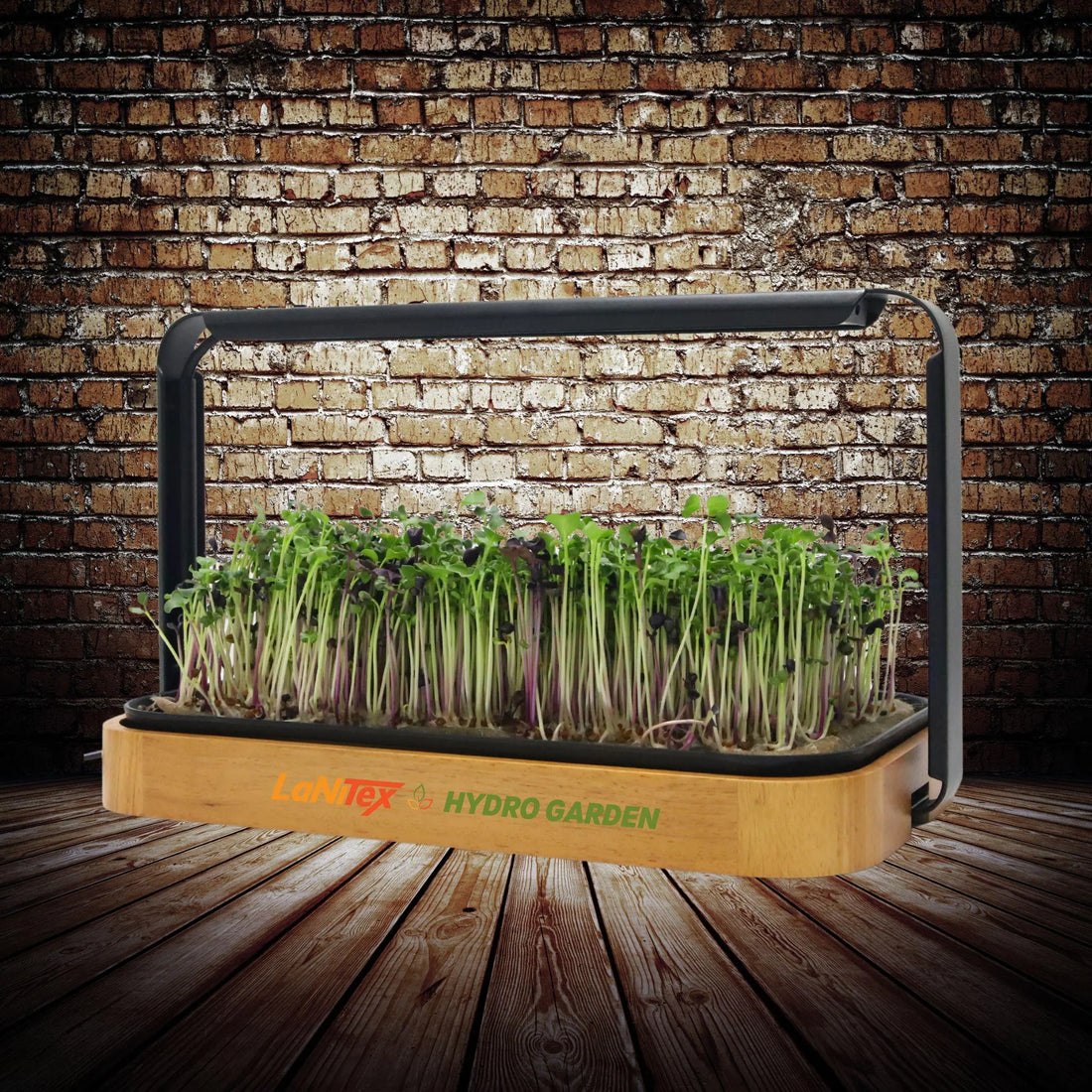 Wooden Microgreen Kit – Smart Self-Watering Grow KitWooden Microgreen Kit – Smart Self-Watering Grow Kit
- Regular price
-
$189.00 AUD - Regular price
-
- Sale price
-
$189.00 AUD
Quick view
-
 Smart Indoor Hydroponic Tower V5.2-A – Complete Hydroponic SystemSmart Indoor Hydroponic Tower V5.2-A – Complete Hydroponic System
- Regular price
-
$1,990.00 AUD - Regular price
-
- Sale price
-
$1,990.00 AUD
Quick view
-
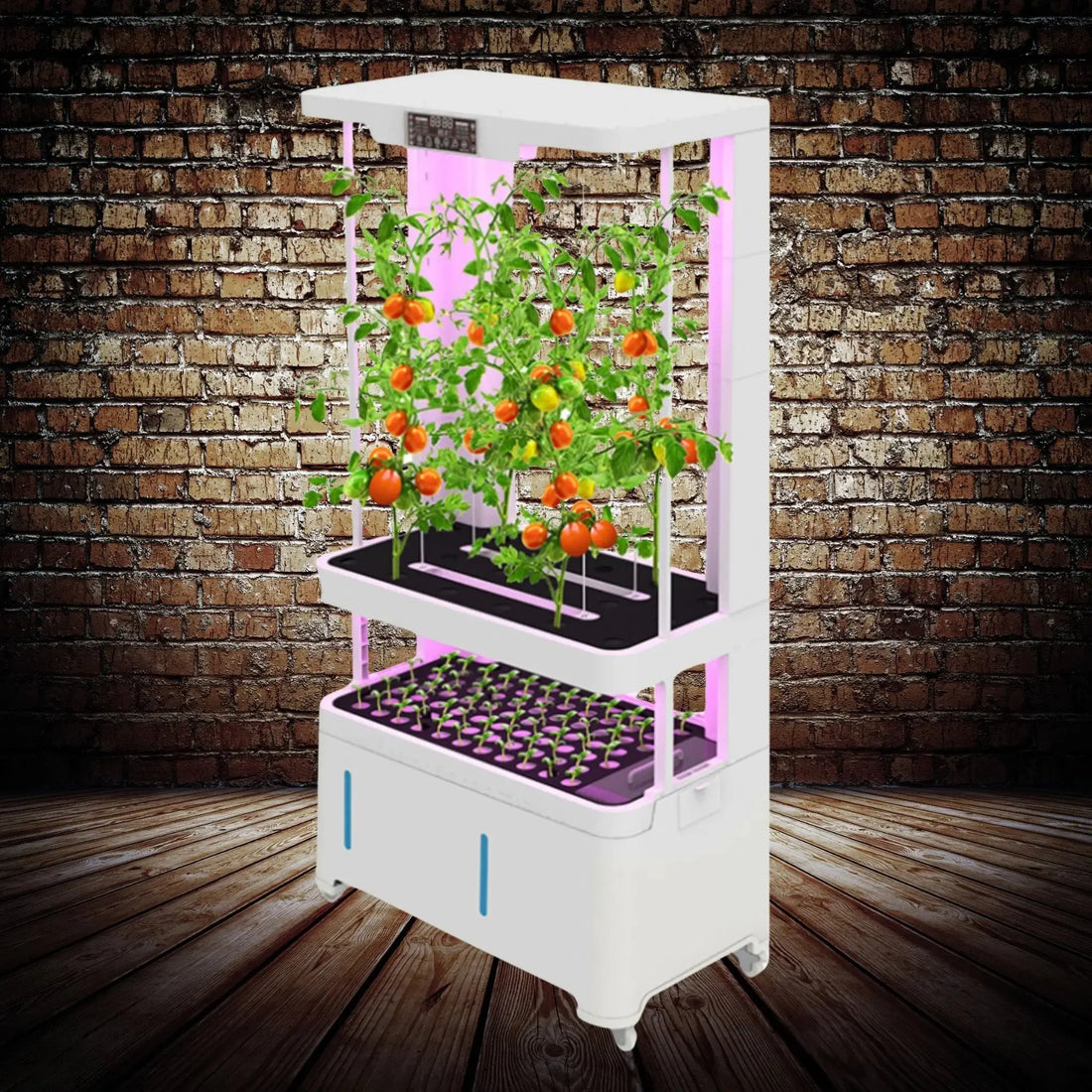 Automated NFT Hydroponic System V5.2-T – Self-Watering, 161 cmAutomated NFT Hydroponic System V5.2-T – Self-Watering, 161 cm
- Regular price
-
$1,590.00 AUD - Regular price
-
- Sale price
-
$1,590.00 AUD
Quick view
-
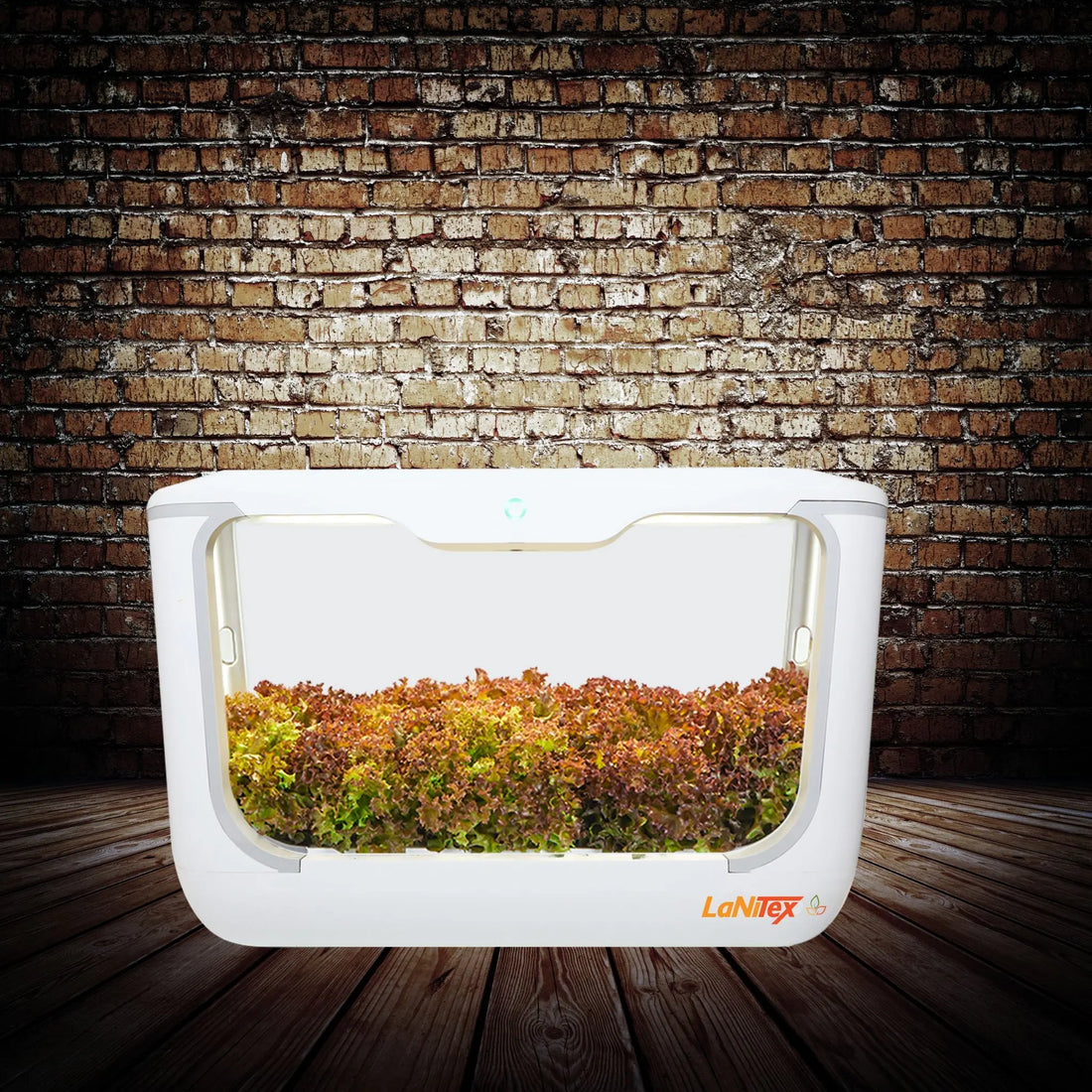 Smart Grow Box – Hydroponics Growing System, 15 or 67 HolesSmart Grow Box – Hydroponics Growing System, 15 or 67 Holes
- Regular price
-
$429.00 AUD - Regular price
-
- Sale price
-
$429.00 AUD
Quick view


