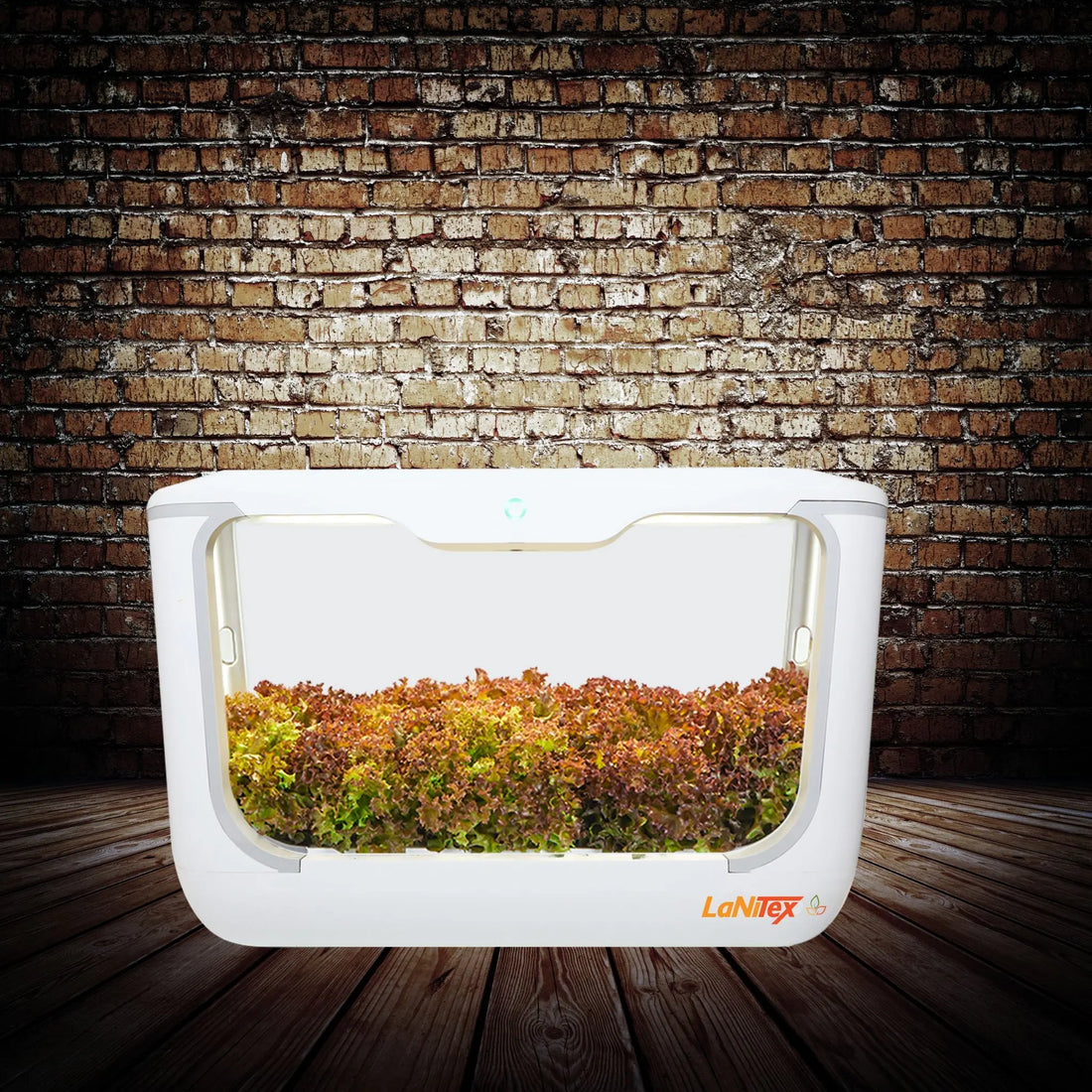

Hydroponic Plants: Tokyo Bekana Cultivation & Benefits
Tokyo Bekana (Brassica rapa var. chinensis) is a fast-growing vegetable from the mustard family, originally from China but widely cultivated in Japan. It is known for its tender, bright green leaves and mild flavor, making it a popular choice for salads and stir-fries. Unlike traditional soil-based farming, hydroponic plants like Tokyo Bekana thrive in controlled environments, offering faster growth, higher yields, and reduced susceptibility to soil-borne diseases.

Optimized Guide to Hydroponic Growing Conditions for Tokyo Bekana
Hydroponic plants, including Tokyo Bekana, thrive in controlled environments that enhance nutrient absorption, accelerate growth, and minimize disease risks. By carefully managing key factors such as pH, electrical conductivity (EC), light exposure, temperature, and humidity, growers can achieve superior yields and healthier crops.
Optimal pH and EC Levels for Hydroponic Tokyo Bekana
Maintaining the correct pH and EC levels is essential for ensuring efficient nutrient uptake and robust plant development.
- pH Range: The ideal pH for hydroponic Tokyo Bekana is 6.0–6.8, allowing for optimal absorption of essential nutrients.
- EC Levels: Keeping EC levels between 1.5–2.5 mS/cm ensures a balanced nutrient supply, promoting steady mineral absorption and preventing deficiencies.
Light, Temperature, and Humidity Requirements
Like other hydroponic plants, Tokyo Bekana requires specific environmental conditions to support steady growth and uniform leaf expansion.
- Light Exposure: Hydroponic Tokyo Bekana thrives with 14–16 hours of daily light, preferably from full-spectrum LED grow lights, which replicate natural daylight and enhance photosynthesis.
- Temperature Range: The optimal temperature for growth is 15–21°C (60–70°F), ensuring consistent leaf development and preventing stress-related growth delays.
- Humidity Control: Maintaining humidity levels between 50–70% supports healthy leaf expansion while reducing the risk of dehydration and fungal diseases.
Best Hydroponic Systems for Growing Tokyo Bekana
Tokyo Bekana thrives in hydroponic systems that provide consistent moisture, nutrient-rich solutions, and proper lighting. Here are some great options:
- Deep Water Culture (DWC): Ideal for beginners, this system keeps roots submerged in oxygenated nutrient water, promoting fast growth.
- Nutrient Film Technique (NFT): A thin film of nutrient solution flows over the roots, ensuring efficient nutrient uptake.
- Kratky Method: A passive system that requires no pumps, making it a low-maintenance choice.
- Aeroponics: Provides maximum oxygenation by misting roots with nutrient solution, leading to rapid growth.
For optimal results, maintain a pH of 6.0–6.8, ensure 12–16 hours of full-spectrum light, and cycle water pumps every 20 minutes
Optimized Guide to Nutrient Solutions and Water Management for Hydroponic Tokyo Bekana
Hydroponic plants, including Tokyo Bekana, require precise nutrient solutions and water management to ensure optimal growth, nutrient absorption, and overall plant health. By maintaining balanced nutrient levels and proper hydration, growers can achieve superior yields and high-quality leafy greens.
Essential Nutrient Solutions for Hydroponic Tokyo Bekana
A well-balanced nutrient solution is crucial for supporting vigorous leaf development and maintaining plant health.
- Macronutrients: Tokyo Bekana thrives with a nutrient mix rich in nitrogen (150 ppm), phosphorus (50 ppm), and potassium (200 ppm), ensuring strong leaf formation and disease resistance.
- Micronutrients: Essential elements such as calcium (150 ppm), magnesium (75 ppm), and trace elements like iron, manganese, and zinc (1 ppm each) aid in chlorophyll production and structural integrity.
- pH and EC Levels: Maintaining a pH range of 6.0–6.8 and EC levels between 1.5–2.5 mS/cm ensures efficient nutrient absorption and prevents deficiencies.
Optimized Water Management for Hydroponic Tokyo Bekana
Proper water management is essential for sustaining plant hydration and nutrient delivery.
- Water Pump Cycles: A 20-minute cycle ensures consistent nutrient distribution and oxygenation, preventing root stress.
- Hydration Balance: Regular monitoring of water levels prevents dehydration while maintaining optimal moisture for steady growth.
- Disease Prevention: Clean water sources and controlled irrigation reduce the risk of fungal infections and root diseases.
Optimized Guide to the Cultivation Process for Hydroponic Tokyo Bekana
Hydroponic plants, including Tokyo Bekana, thrive in controlled environments that enhance nutrient absorption, accelerate growth, and ensure consistent leaf production. By carefully managing each stage of cultivation, growers can achieve superior yields and high-quality greens.
Seed Germination and Early Growth
The cultivation process begins with seed germination, a crucial phase that determines plant vigor and overall success.
- Germination Time: Tokyo Bekana seeds typically sprout within 4–7 days, provided they are placed in a suitable growing medium such as rockwool or coco coir.
- Seed Density: To prevent overcrowding and ensure strong seedling development, each hole should contain 1–2 seeds.
- Optimal Conditions: Maintaining a temperature range of 15–21°C (60–70°F) and ensuring adequate moisture levels promote successful germination.
Transplanting and Growth Acceleration
Once seedlings reach a stable growth stage, they are ready for hydroponic transplantation.
- Transplant Timing: Seedlings should be moved to their hydroponic setup within 4–5 weeks after germination.
- Growth Duration: Tokyo Bekana matures within 30–45 days, making it one of the fastest-growing hydroponic plants.
- Nutrient Optimization: A well-balanced nutrient solution ensures robust leaf formation and prevents deficiencies.
Popular Hydroponic Tokyo Bekana Varieties
Selecting the right variety is essential for maximizing yield and quality. Some of the most suitable hydroponic varieties include:
- Tokyo Bekana F1: Known for its fast growth, mild flavor, and adaptability to hydroponic systems.
- Xin Cai: A variety with slightly thicker leaves, offering a crunchier texture and enhanced nutrient profile
Uses and Benefits of Hydroponic Tokyo Bekana
Hydroponic plants, including Tokyo Bekana, offer numerous advantages in both culinary applications and health benefits. As a fast-growing leafy green, Tokyo Bekana is widely used in various cuisines and provides essential vitamins and minerals that support overall well-being.
Culinary Applications of Hydroponic Tokyo Bekana
Tokyo Bekana is a versatile ingredient that enhances flavors and textures across multiple cooking methods.
- Salads: Its crisp, tender leaves provide a refreshing component to salads, pairing well with citrus-based dressings and fresh herbs.
- Stir-Fries: This leafy green adds depth and texture to stir-fried dishes, complementing a variety of proteins and sauces.
- Soups and Wraps: Tokyo Bekana enriches broths with its mild, slightly sweet flavor while boosting nutritional value. It also works well as a wrap alternative for light, healthy meals.
Health Benefits of Hydroponic Tokyo Bekana
Beyond its culinary versatility, hydroponic plants like Tokyo Bekana provide significant health benefits.
- Rich in Essential Nutrients: Packed with Vitamin A, Vitamin C, and Vitamin K, Tokyo Bekana supports immune health, digestion, and bone strength.
- Gut Health and Digestion: Its high fiber content promotes a healthy digestive system, aiding in nutrient absorption and gut microbiome balance.
- Antioxidant Properties: Tokyo Bekana contains powerful antioxidants that help combat oxidative stress, reducing the risk of chronic diseases.
By incorporating hydroponic Tokyo Bekana into daily meals, individuals can enjoy both its culinary diversity and its numerous health advantages.
Get a fresh grow guide like this every fortnight
Join the LaNiTex Hydro Garden newsletter for practical hydroponic, microgreen and mushroom growing tips for Australian homes. Subscribe to download a free hydroponics starter guide (PDF) and get 10% off your first order.
Join the newsletter →