How to Grow Mushrooms at Home in Australia

How to grow mushrooms at home, in Australian conditions: seventeen step-by-step species guides, gourmet and medicinal. Start with how the process works, then pick a species that suits the room you have.

How growing mushrooms at home actually works

Mushrooms are not plants, and almost everything that trips up a first-time grower comes from treating them like one. There is no soil and no fertiliser, and light barely matters. What a mushroom eats is wood or straw, and what it needs from you is the right temperature and enough moisture in the air.

The mushroom itself is only the fruit. Most of the organism is mycelium, a web of white threads that spends weeks eating its way through a block of substrate before anything appears. Growing mushrooms at home is mostly about keeping that web comfortable, then giving it the signal to fruit.

How to grow mushrooms at home comes down to the same six steps, whichever species you pick.

  • Spawn. Grain that has already been colonised by mycelium. This is the starter culture, and it goes into the substrate.
  • Substrate. The food. Depending on the species that means supplemented hardwood sawdust, pasteurised straw, or sugarcane mulch, all of which are easy to find in Australia. It has to be pasteurised or sterilised first, because whatever else is living in it will otherwise outcompete the mycelium.
  • Colonisation. Warm and dark, sealed, for anywhere from two to six weeks. The white threads spread until the block is fully taken over. Nothing looks like it is happening, and this is the stage people give up on.
  • Pinning. The switch from eating to fruiting. It is triggered by fresh air, high humidity, and for several species a deliberate drop in temperature. Golden enoki and maitake both need that cold shock before they will pin at all.
  • The flush. Once pins appear it is fast. Pink oysters go from pin to harvest in three to five days, phoenix oysters in six to nine. After weeks of nothing, you check them twice a day.
  • Harvest and repeat. Cut before the caps flatten and start dropping spores. Then rehydrate the block and wait, because most species will give a second, smaller flush from the same substrate.

End to end, expect around five to nine weeks from spawn to your first harvest. Chestnut mushrooms take 34 to 54 days, coral tooth four to eight weeks, shimeji six to nine.

The three things that decide whether it works

  • Temperature. This is where the species differ most, and it is the single biggest reason a block fails to fruit. Cool-season species want 13 to 18 °C: shimeji, pioppino, maitake. Blue oysters tolerate anything from 10 to 21 °C. At the other end, butterscotch oysters fruit at 18 to 28 °C and reishi wants it genuinely warm, 23 to 25 °C. Pick a species that matches the room you have, rather than trying to force the room to match the species.
  • Humidity. Almost everything here wants 85 to 95 per cent while fruiting. Too dry and the pins abort or the caps crack.
  • Fresh air. Mycelium produces carbon dioxide, and if it builds up you get long stems and small caps. Usually that is a fault. With king oysters it is the whole point: growers restrict airflow on purpose to get those thick, scallop-like stems.

Light comes last. Mushrooms do not photosynthesise, though most species want some indirect light to fruit into a normal shape. The exact temperatures, substrate and timings change with every species, and each guide below covers its own. For the exact numbers by species, see our mushroom growing temperature and humidity chart.

Start here

The four kinds of mushroom kit sold in Australia, and which one suits the way you want to grow.

Grows in the Smart Mushroom Growing Box

The species the Box is set up to run, each with its own full guide. It holds the humidity and air for you, so the only real decision left is which one suits your room temperature.

Oyster mushrooms

The easiest family to start with and the most forgiving of an imperfect room. Seven varieties, from the beginner-friendly pearl to the thick-stemmed king.

Gourmet mushrooms

Restaurant species you rarely find fresh in Australian shops. Most of them want cooler conditions than the oysters do.

Medicinal mushrooms

Slower growing, and usually dried rather than eaten fresh. Reishi is the outlier: it wants real warmth, 23 to 25 degrees.

Common questions

What Australian growers ask most often before their first block.

How do mushrooms grow?

A mushroom is the fruit of a much larger organism. Mycelium, a web of white threads, spends two to six weeks eating through a block of sawdust or straw in the dark. When it has taken over the block, a change in conditions - fresh air, high humidity, often a drop in temperature - switches it from eating to fruiting, and mushrooms appear within days.

How do I start growing mushrooms at home?

Start with a ready-to-fruit block rather than sterilising your own substrate. Pick a species that matches your room temperature, keep the humidity high, give it fresh air daily, and harvest before the caps flatten. Oysters are the usual first choice because they fruit fast and tolerate a wide range.

What temperature do mushrooms need?

It depends entirely on the species, and getting it wrong is the most common reason a block never fruits. Cool-season species like shimeji, pioppino and maitake want 13 to 18 degrees C. Blue oysters handle 10 to 21 degrees. Butterscotch oysters want 18 to 28 degrees, and reishi wants 23 to 25.

How long does it take to grow mushrooms?

Roughly five to nine weeks from spawn to first harvest. Chestnut mushrooms take 34 to 54 days, coral tooth four to eight weeks, shimeji six to nine. Most of that is colonisation, when nothing visible happens. The fruiting itself is quick: pink oysters go from pin to harvest in three to five days.

Are mushroom growing kits worth it?

For a first grow, yes. A kit removes the two hardest steps, sterilising and inoculating. The limitation is that a single-use kit gives you two or three flushes and is then finished. If you intend to keep growing, the running cost is in the blocks, so it is worth thinking about what you will grow them in longer term.

Is growing mushrooms indoors safe?

Growing edible species indoors is safe for most people. Mushrooms release spores, and heavy or repeated exposure can irritate the airways. That mainly matters if you have asthma, a fungal allergy, a chronic lung condition or a weakened immune system. Oysters are prolific sporulators, so harvest before the caps flatten and start dropping spores, keep the room ventilated, and do not set a fruiting block up in a bedroom. The serious cases in the literature come from commercial growing rooms, not a block or two on a bench.

Where do you buy mushroom spawn in Australia?

From a specialist Australian mushroom supplier. Several sell spawn and ready-to-fruit blocks by mail order. LaNiTex does not sell spawn or substrate: we make the growing equipment, and the blocks you run in it come from whichever supplier you prefer.

Do mushrooms grow back after you harvest them?

Usually yes, once or twice more. After the first flush, rehydrate the block and wait. A second flush typically arrives a week or two later and is smaller than the first. Yields fall each time, and after two or three flushes the block is spent.

Why is my block not producing any mushrooms?

Usually it is the block, the temperature, or the airflow. The block might not be fully colonised yet, so wait. The temperature might sit outside the species' fruiting range, which is the usual culprit. Or there is not enough fresh air, in which case you get long stems and small caps rather than nothing at all. Check the temperature first.

When is the best time to start growing mushrooms in Australia?

Indoors you can start any time, which is the point of growing them inside. What changes with the season is which species suits your room. Cool-season varieties are easier through winter and in southern states. Warm-tolerant ones like phoenix and butterscotch oysters cope better with a Queensland summer.

What you grow them in

Two of the three conditions above are the fiddly ones. Humidity and fresh air need attention every day; temperature just needs the right room.

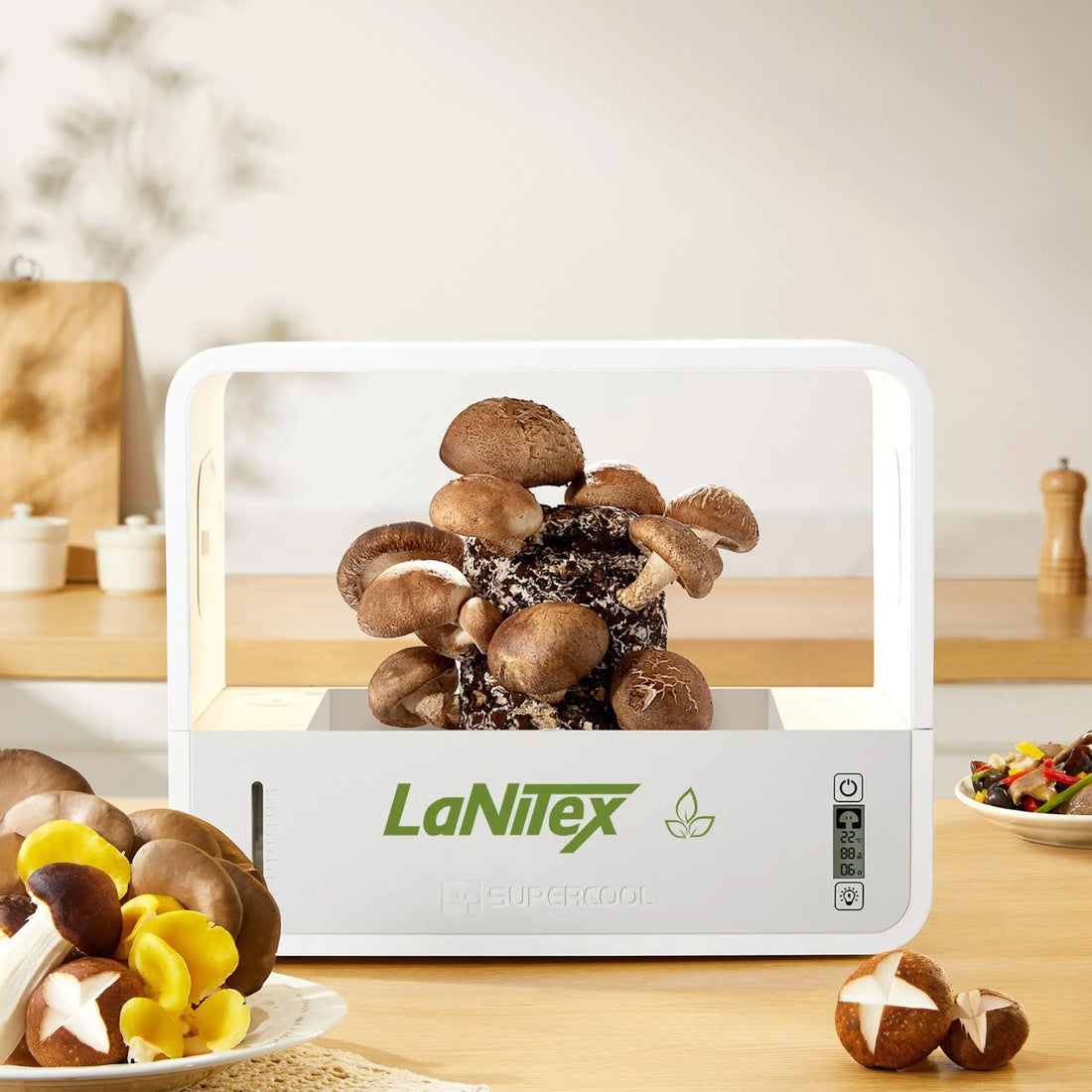
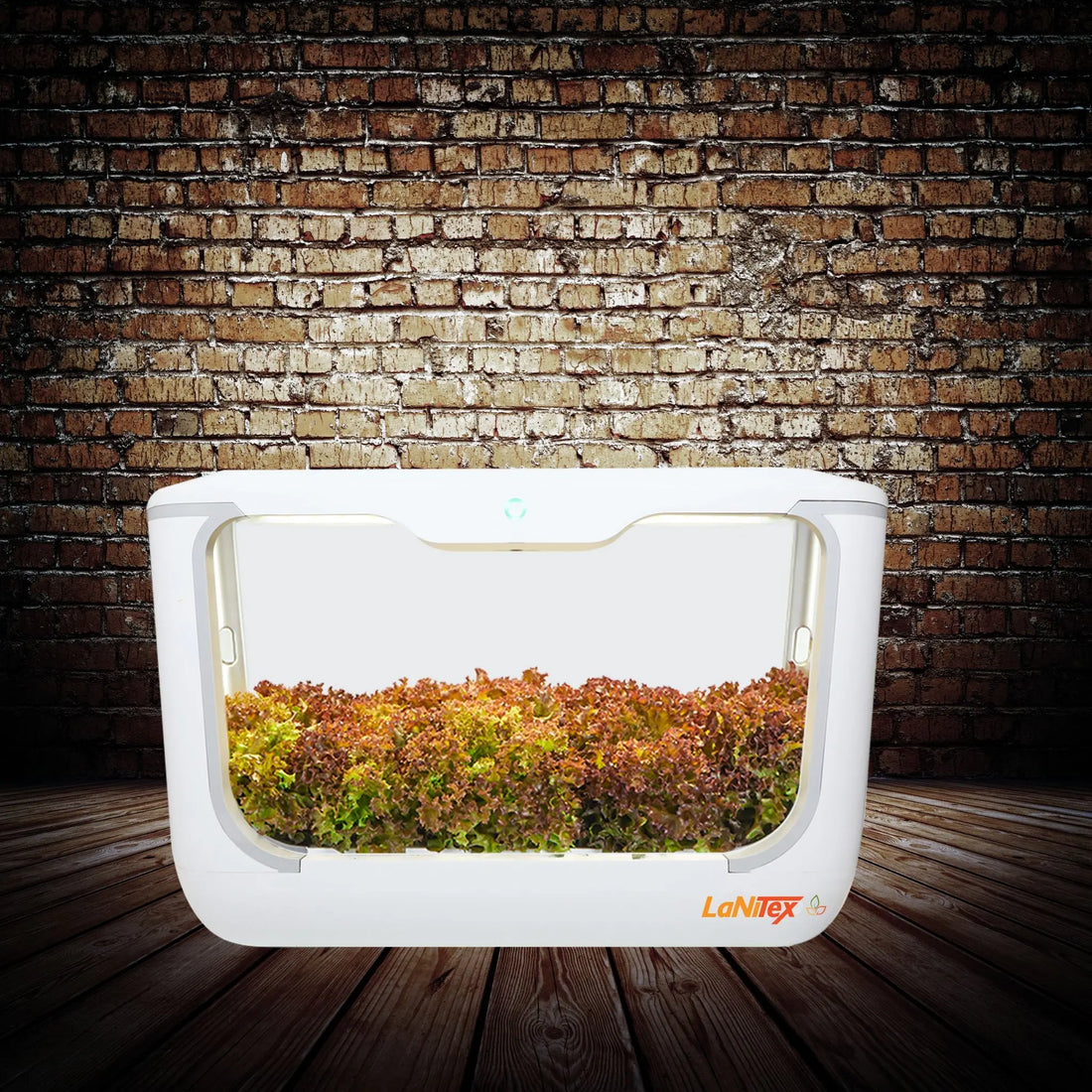
Smart Mushroom Grow Box Smart Mushroom Grow Box It holds the humidity and runs the fresh-air cycle for you, so there is no daily misting or fanning. It shows you the temperature but does not heat or cool, which is why picking a species that suits your room still matters. Load a ready-to-fruit block from any Australian supplier and it runs them all the same way. See the Growing Box →

Watch: The Box in Action