
Iceberg lettuce is one of the trickiest salad crops to grow at home. But grow it indoors in a hydroponic system, and you sidestep the heat, slugs, and bolting that wreck outdoor crops from the Sunshine Coast to Brisbane.
Quick answer: Yes, you can grow iceberg lettuce hydroponically in Australia. Keep the nutrient solution at pH 5.5–6.5 and EC 1.0–1.6 mS/cm, give it 150–250 µmol of light, and hold the root zone near 18–20°C. Heads mature in about 55–75 days from seed.
A firm iceberg head comes down to three things you control in a hydroponic setup: nutrient strength, light, and root-zone temperature. Outdoor growers can never fully manage all three. So a simple indoor system often beats a garden bed here. This guide covers the setup, the varieties, and the two problems that catch most people out.
What is iceberg lettuce?
Iceberg lettuce (Lactuca sativa var. capitata) is a crisphead lettuce. Instead of loose leaves, it wraps its foliage into a dense, round head. That heading habit is what makes it harder than loose-leaf types. So it needs steady, cool conditions to close a tight head. Even so, any small stress can stall it.
Two iceberg cultivars are a reliable starting point for hydroponics. Great Lakes is the classic Australian workhorse, bred for heat tolerance and reliable heads. Imperial 615 is another proven crisphead that holds up well under warm-season pressure. Both suit a controlled indoor setup. And Australian suppliers and regulations for hydroponic nutrients and lettuce seeds are straightforward to navigate, so seed is easy to find.
Iceberg is a heavy feeder that heads up over weeks. That means a stable environment matters more than a fast one.
Best growing conditions for iceberg lettuce indoors

Get these numbers right, and the head almost takes care of itself. The optimal hydroponic pH range for iceberg lettuce (5.5–6.5) keeps calcium available. And the recommended EC range for hydroponic iceberg lettuce (1.0–1.6 mS/cm) feeds it without overloading. So here are the targets to hold across the whole grow:
- pH: 5.5–6.5. This range keeps calcium and the other nutrients available, which matters a lot for iceberg.
- EC (nutrient strength): 1.0–1.6 mS/cm. Start low for seedlings. Then lift it as the head forms.
- Light (PPFD): 150–250 µmol/m²/s for 12–14 hours a day. That is the light intensity lettuce prefers — it is a low-light crop, so pushing well past this range tends to add heat rather than growth.
- Root-zone temperature: 18–20°C is ideal. Warm roots are the number-one cause of failed heads in Australian setups.
- Air temperature: 15–22°C. Cooler nights help the head firm up.
Nutrient balance matters too. In fact, heading lettuces like iceberg need a specific nutrient balance, and the nitrogen-to-potassium ratio is a big part of it. So give it steady nitrogen (N) early for leaf growth. But as the head forms, potassium (K) must keep pace. Too much nitrogen late on gives you a loose, leafy head instead of a firm one.
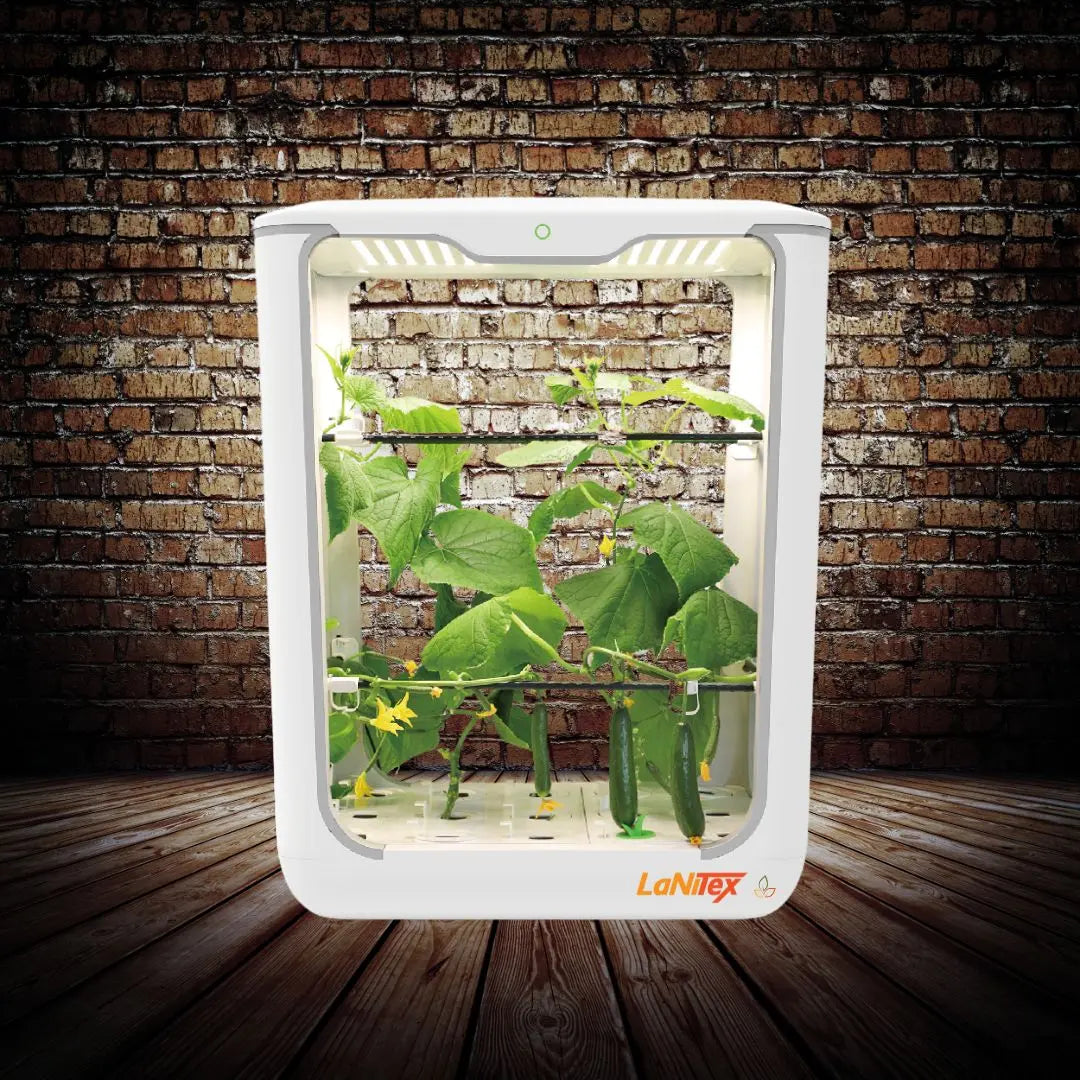
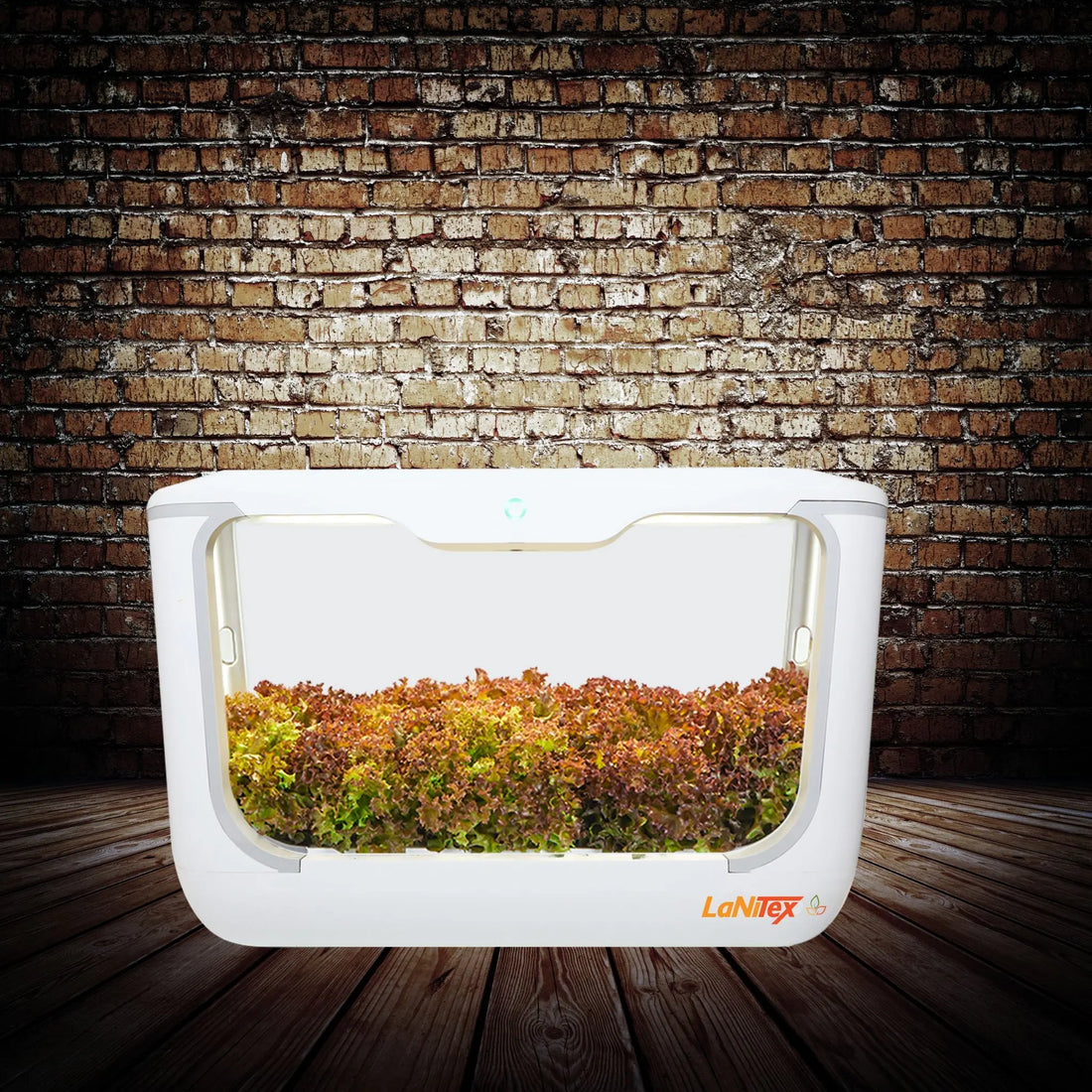
Also, space each plant about 25–30 cm apart. Crowded heads trap humidity, and that invites rot. So a deep-tank system like the Smart Grow Box helps: it gives roots room and holds the water temperature steady — the kind of stability a heading lettuce lives on.

Grow heading lettuce indoors without the daily fuss — 15 planting sites, a self-watering reservoir and full-spectrum LED in a benchtop unit. You top up the water and drop in seedlings.
Start growing lettuce →Personally tested at home on the Sunshine Coast before listing.
What I've learned from growing related plants
I have not grown iceberg heads in my own systems yet, so I will be straight about that. But I have grown plenty of leafy greens and loose-leaf lettuces in the Grow Box at home on the Sunshine Coast. And that experience carries across more than you might expect.
The biggest lesson: root-zone temperature quietly decides everything. For example, my loose-leaf lettuce would turn bitter whenever the tank crept past about 22°C. So I dropped the water temperature, and that fixed it. Iceberg is even fussier here, because a stressed crisphead refuses to form a tight ball.
The second lesson is patience with nutrient strength. At first I pushed EC too high to speed growth. Instead, it did the opposite — soft leaves and tip damage. So for iceberg, start gentle and lift the strength only as the head builds.
Choosing a hydroponic system for iceberg lettuce
Three system types suit iceberg at home: Kratky, deep water culture and NFT. Here is how they compare for a heading lettuce. If you are new to how these systems differ, the hydroponic system essentials guide covers the basics. But first, know that each has a trade-off.
- Kratky is the simplest — no pumps, just a reservoir the plant drinks down. It works. But the water can warm up and stagnate, which iceberg dislikes. So it suits a cool room and a short grow.
- Deep water culture (DWC) suspends the roots in oxygenated water. Because the water volume is large, it stays cool and stable. So it suits heading lettuce well. In practice, it mirrors what a deep-tank Grow Box does.
- Nutrient film technique (NFT) runs a thin stream past the roots in channels. It is efficient and clean. But the shallow film heats up fast, so watch the temperature in an Australian summer.
| System | Water temperature stability | Pumps needed | Best for iceberg? |
|---|---|---|---|
| Kratky | Low — small volume warms and stagnates | None | Only in a cool room, short grows |
| Deep water culture (DWC) | High — large volume stays cool and steady | Air pump | Best fit for firm heads |
| Nutrient film technique (NFT) | Low — shallow film heats up fast | Water pump | Workable, but watch summer temperature |
For most home growers chasing firm heads, a stable deep-water setup wins. It forgives small mistakes, and it holds the cool, steady root zone iceberg demands.
When to grow iceberg lettuce in Australia
Outdoors, iceberg is a cool-season crop. But indoors and hydroponic, you can grow it all year. Even so, Australian seasonal timing for indoor and outdoor hydroponic lettuce production varies by climate zone. So the season still shapes how hard you have to work.
- Temperate zones (Melbourne, Adelaide, Canberra): autumn to spring is easy. But summer needs a cool room to hold the root zone down.
- Subtropical zones (Brisbane, Sunshine Coast): the sweet spot is roughly April to September. Then in summer, keep the system cool and shaded, because warm water is the main enemy.
- Tropical zones (Cairns, Darwin): grow through the cooler dry season. And lean on temperature control the rest of the year.
The rule is simple: match your indoor conditions to a mild autumn day.
Get a fresh grow guide like this every fortnight
Join the LaNiTex Hydro Garden newsletter for practical hydroponic, microgreen and mushroom growing tips for Australian homes. Subscribe to download a free hydroponics starter guide (PDF).
Join the newsletter →Common problems: tip burn and bolting
The common hydroponic disorders in iceberg lettuce are tip burn and bolting. And these two account for most failed crops indoors. But both are fixable once you know the cause.
Tip burn shows up as brown, crispy leaf edges inside the head. It is a calcium problem, but usually not because calcium is missing. Instead, fast growth or unstable humidity stops the plant moving calcium to new leaves. That means keeping pH in range, keeping airflow gentle, and not pushing growth too hard.
Bolting is when the plant shoots up a flower stalk and turns bitter. Heat and stress trigger it. That is why root-zone temperature control matters so much — a cool, steady tank keeps the plant in leaf mode. So if your heads start stretching upward, check the water temperature first.
Root rot is the third one to watch, and it comes from warm, low-oxygen water. Roots go brown and slimy instead of firm and white. So keep the nutrient solution below about 22°C, run an air stone to keep it oxygenated, and rinse the reservoir clean between crops. A cool, well-aerated tank rarely sees it.
These problems trace back to the same cause: stress. Overall, keep conditions calm, and iceberg mostly looks after itself.
Harvesting and food safety

Harvest when the head feels firm to a gentle squeeze, usually 55–75 days from seed. Then cut it at the base in the morning, when it is crispest.
Hydroponic lettuce is grown in water, so food safety is worth a quick word. The good news: post-harvest handling and food safety for hydroponic iceberg are simple. Rinse heads in clean, cool water, and keep your reservoir clean between crops. Then store whole heads in the crisper drawer near 0–2°C at high humidity, where they keep about one to two weeks; cut leaves go sooner, so use them within a few days. Grown clean, hydroponic iceberg is as safe as anything you will buy.

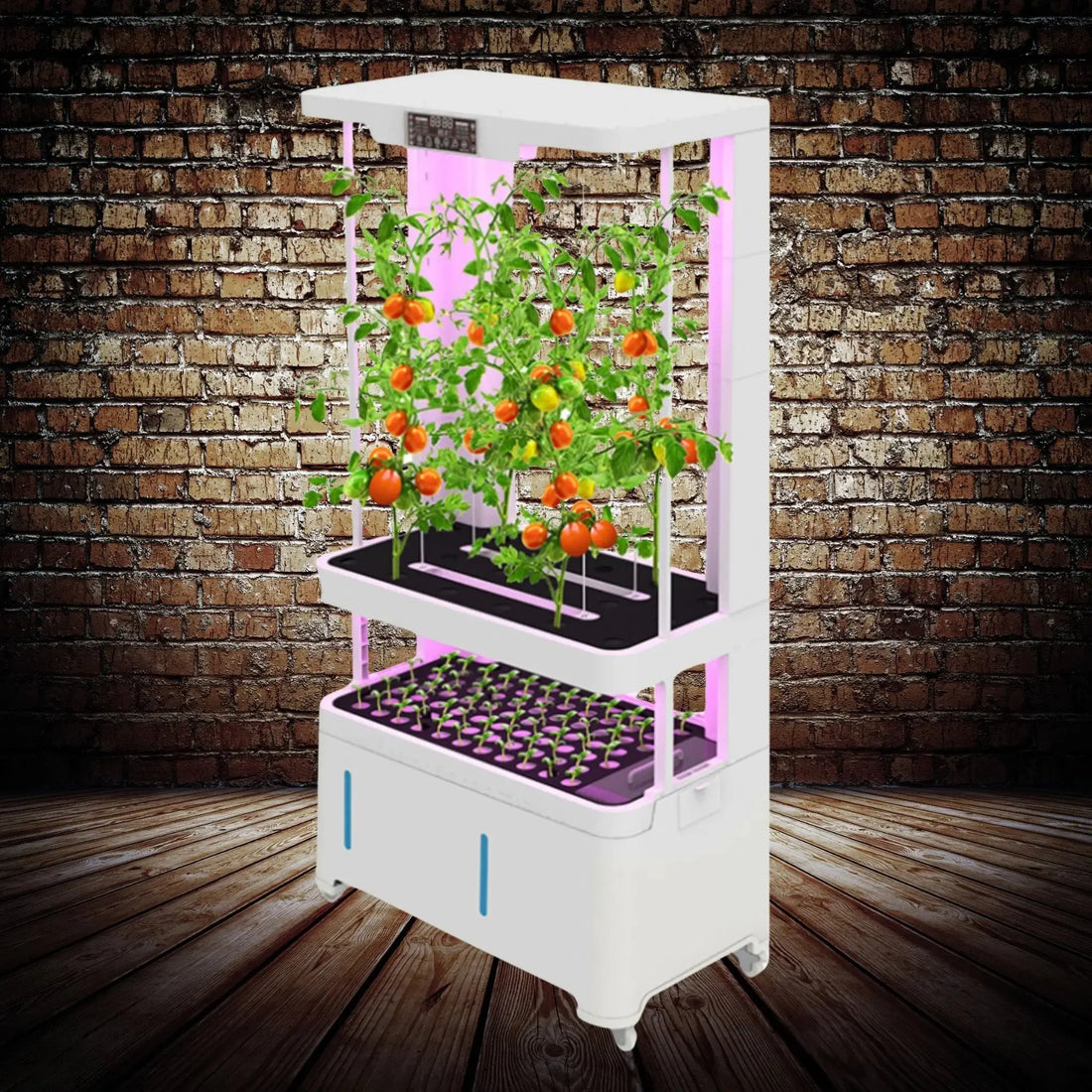
Growing more than a few heads at a time? The V5.2-A Tower runs 72 planting sites in a floor-standing footprint, on the same full-spectrum LED. You supply the seedlings.
Scale up your grow →Personally tested at home on the Sunshine Coast before listing.
The full range
Find the system that fits your space


Supported in Australia - every model tested before listing.
Frequently asked questions
Can you grow iceberg lettuce hydroponically in Australia's climate?
Yes. Indoors and hydroponic, you control the temperature, so the outside climate matters far less. The key is holding the root zone near 18–20°C. So in warmer states, grow in a cool room or through the cooler months.
What is the best hydroponic system for iceberg lettuce at home?
A deep water culture setup, or a deep-tank grow box, is the best fit. Because the water volume is large and cool, roots stay stable, which heading lettuce needs. NFT works too, but the shallow channel heats up faster in summer.
What EC and pH should I use for hydroponic iceberg lettuce?
Aim for pH 5.5–6.5 and EC 1.0–1.6 mS/cm. Start seedlings at the low end of the EC range, then lift it as the head forms. Also, check both every few days, because iceberg is sensitive to swings.
How many hours of light does hydroponic iceberg lettuce need indoors?
Give it 12–14 hours a day at 150–250 µmol/m²/s. Lettuce is a low-light crop, so too much light or heat from the fixture can actually stress the plant and trigger bolting.
How long does iceberg lettuce take to grow in a hydroponic system?
Expect about 55–75 days from seed to a firm head, with germination in 7–10 days. Growth is a little faster in a warm, stable system than in cold soil. But iceberg still takes longer than loose-leaf lettuce, because it has to form a head.
Which iceberg lettuce varieties are best for hydroponics in Australia?
Great Lakes and Imperial 615 are two reliable crispheads here. Both tolerate warmth better than older varieties, and both form firm heads indoors. So buy seed from a local Australian supplier for the freshest stock.
Why is iceberg lettuce harder to grow hydroponically than loose leaf?
Because it has to build a tight head, not just leaves. Heading demands steady, cool conditions over a longer window. Loose-leaf types shrug off small stresses. But iceberg reacts to heat and nutrient swings by refusing to firm up, or by bolting.
How do I know when hydroponic iceberg lettuce is ready to harvest?
Give the head a gentle squeeze. When it feels firm and dense, it is ready, usually 55–75 days from seed. A loose, springy head needs more time. Cut it at the base in the morning, when the leaves are crispest.
Will iceberg lettuce regrow after you cut it?
Not really. Iceberg forms one tight head, so once you cut it at the base, the plant is done and will not grow a second one. That is different from loose-leaf lettuce, which you can pick leaf by leaf and harvest again. For more iceberg, start a fresh seedling. If you would rather pick as you go, butter lettuce, romaine and oak leaf lettuce all suit that better.
About the writer
This guide was written by Laszlo Bulatko, founder of LaNiTex Hydro Garden, based on the Sunshine Coast, Queensland. Laszlo started out at IBM and Diageo in Hungary. Then he spent 15 years in sales, marketing, and brand development across the Hungarian fishing-tackle market before turning to indoor growing. He founded LaNiTex Hydro Garden in December 2024 and personally tests every product at home before it goes on the site. He also runs the Term-Grow Enrolment program, placing grow boxes in Queensland primary school classrooms. Read more on the founder page.
Sources
- Suthar, R. G., et al. "Iceberg Lettuce Grown in Sand Soil and Hydroponics." Journal of Soil Science and Plant Nutrition, Springer, 2020. Read the study
- "Optimizing Lettuce Yield and Quality in Hydroponic Cultivation." International Journal of Agricultural Research, 2025. Read the study
- "Biostimulants for Sustainable Hydroponic Lettuce Farming." BMC Plant Biology, 2024. Read the study
- NSW DPIRD. "Lettuce production" (PDF). Read the NSW DPIRD guide (PDF)
Last updated: 16 July 2026