
Oakleaf lettuce is a loose-leaf variety that grows fast, tastes mild and never forms a solid heart. And that one detail changes almost every number in a grow guide.
Oakleaf lettuce is one of the easiest crops to run in a home hydroponic system, and it handles warm Australian weather better than most lettuce types, though it still bolts in a real summer. Most online grow charts, however, quote crisphead timings: iceberg has to build a dense heart first, and oakleaf never does.
So here is what works, and where the widely quoted figures go wrong.
Quick answer: Grow oakleaf lettuce at pH 5.5-6.5 and 15-22 deg C, with EC near 0.8-1.2 mS/cm for seedlings rising past 1.6 mS/cm at maturity. Give 12-14 hours of light a day. In summer the first cut lands three to five weeks after transplant.
Key takeaways:
- Oak leaf is a loose-leaf lettuce, so harvest is weeks away, not months.
- EC ramps by stage. For example, 'Red Oakleaf' peaked at 1.6 mS/cm or more in nutrient film trials.
- Tipburn is a calcium transport problem, not a shortage in the tank.
- Cultivar choice changes tipburn risk. 'Rouxai', for example, is a more tolerant red oak type.
- Bolting is oakleaf's main summer risk in Queensland.
What is oakleaf lettuce?
Oakleaf lettuce is Lactuca sativa, oak leaf group. It is a leafy vegetable, not a herb. The leaves are lobed like an oak's, soft, and joined to a short stem instead of a dense heart. That loose architecture is why so many growers rate it the best leaf lettuce to grow in hydroponics. Light reaches right into the middle of the plant, so in practice you can cut the outer leaves without killing it.
Common cultivars for indoor growing include 'Green Oakleaf', 'Red Oakleaf', 'Royal Oakleaf', 'Salad Bowl', 'Cocarde' and 'Rouxai'. 'Royal Oakleaf' is the one to note in a warm climate, because it carries documented heat and tipburn resistance (NC State cultivar records). And 'purple oak leaf' is a colour rather than a variety: it covers the red oakleaf types, 'Red Oakleaf' and 'Rouxai' among them. Grown hydroponically, green oakleaf tastes mild and buttery. Baby red oakleaf, in contrast, is firmer and holds its colour under strong light. A mature oakleaf plant reaches roughly 20-30 cm tall and 23-25 cm across, so allow 15-25 cm between plants and expect to leave some sites empty in a closely spaced unit. Oakleaf is built for repeat cutting rather than one big harvest.

Best hydroponic growing conditions for oakleaf lettuce
Most guides give one EC number for all lettuce. Treat oakleaf as a ramp instead:
- pH: 5.5-6.5. In fact, peak yield across cultivars was measured at 6.0 to 6.2 (Samarakoon et al., HortScience).
- EC: 0.8-1.2 mS/cm for seedlings, lifting to 1.6 mS/cm or more at maturity. On a ppm meter using the 500 scale, that ramp reads roughly 400-600 ppm early and about 800 ppm at maturity. 'Red Oakleaf', for example, hit maximum yield at or above 1.6 mS/cm in nutrient film trials (Samarakoon et al., HortScience). Most general lettuce charts stop near 1.2 mS/cm. Those general charts cover lettuce as a whole, however, while the 1.6 figure was measured on an oak leaf cultivar, so the ramp here runs higher on purpose.
- Air temperature: 15-22 deg C.
- Humidity: 60-75%.
- Light: 12-14 hours a day.
- Germination: 7-10 days at 15-22 deg C.
As a working range rather than settled consensus, most home units land around 150-250 umol/m2/s. That means roughly 100-150 at germination, 150-200 PPFD for hydroponic oakleaf lettuce seedlings, and 200-250 in full leaf. In short, treat that as a starting point rather than a rule.
Starting oakleaf from seed changes very little, except right at the beginning. Sow about 3 mm deep and barely cover the seed, because most lettuce cultivars germinate best with some light, and burying the seed stalls a whole tray. Lettuce seed germinates across a wide temperature band, roughly 4 to 29 deg C, though in practice the middle of that range is both faster and more even. Then move oakleaf seedlings into the system once they carry two or three true leaves, which usually lands a fortnight or so after sowing.

A hydroponic nutrient solution for oak leaf lettuce needs the usual five: nitrogen for leaf mass, phosphorus and potassium for roots and vigour, plus calcium and magnesium. Calcium, in particular, is the one to watch in a recirculating system. Water temperature matters as much, however, so keep the reservoir under about 22 deg C to hold dissolved oxygen. Replace the solution outright every 10 to 14 days as well, because topping up alone lets unused salts accumulate while the plants strip out what they actually need. Warm water is the most common cause of unhappy roots in an Australian summer.
What I've learned from growing related plants
Honest disclosure. I grow other lettuces and leafy greens in my own LaNiTex systems, but not oakleaf. Here is what carries over from that bench, and what does not.
What carries over is discipline, not a recipe. Nutrient strength drifts up as water evaporates, so in practice I check EC rather than topping up blindly. Light hours matter more than raw intensity, at least on every leafy crop I have run. Water temperature is what I get wrong first in summer, every time. Harvest cadence, in short, beats harvest size.
What is genuinely different about oak leaf is the looser architecture. That means it dries faster and turns around a cut-and-come-again harvest quicker than a heading type. Bolt behaviour differs too: it runs to seed instead of splitting a heart. Those are the three things I would watch first if I put oakleaf in my own systems tomorrow.
The oak-leaf-specific numbers here come from published trials and established grower guides rather than my own bench, and the EC peak and tipburn timing are the two drawn from peer-reviewed work. That is the honest version.
Get a fresh grow guide like this every fortnight
Join the LaNiTex Hydro Garden newsletter for practical hydroponic, microgreen and mushroom growing tips for Australian homes. Subscribe to download a free hydroponics starter guide (PDF) and get 10% off your first order.
Join the newsletter →Which hydroponic system suits oakleaf lettuce?
NFT is the classic choice: a thin film of nutrient past bare roots, cheap to run and easy to inspect. In practice, green oak leaf lettuce does well in an NFT system across most of Australia, as long as the film keeps moving and the solution stays below about 22-24 deg C. In the tropics and the arid inland, that usually means shade or chilling. Deep water culture forgives pump failures, because roots sit in a big water buffer. That buffer, however, heats up, which is why it wants a cool spot. Drip, in contrast, suits fruiting plants more than leaf lettuce. Green oak lettuce grows well in aeroponics too, which is the most demanding hydroponic route of the lot. If you are weighing up the options more broadly, the guide to hydroponic system essentials covers how each type works.

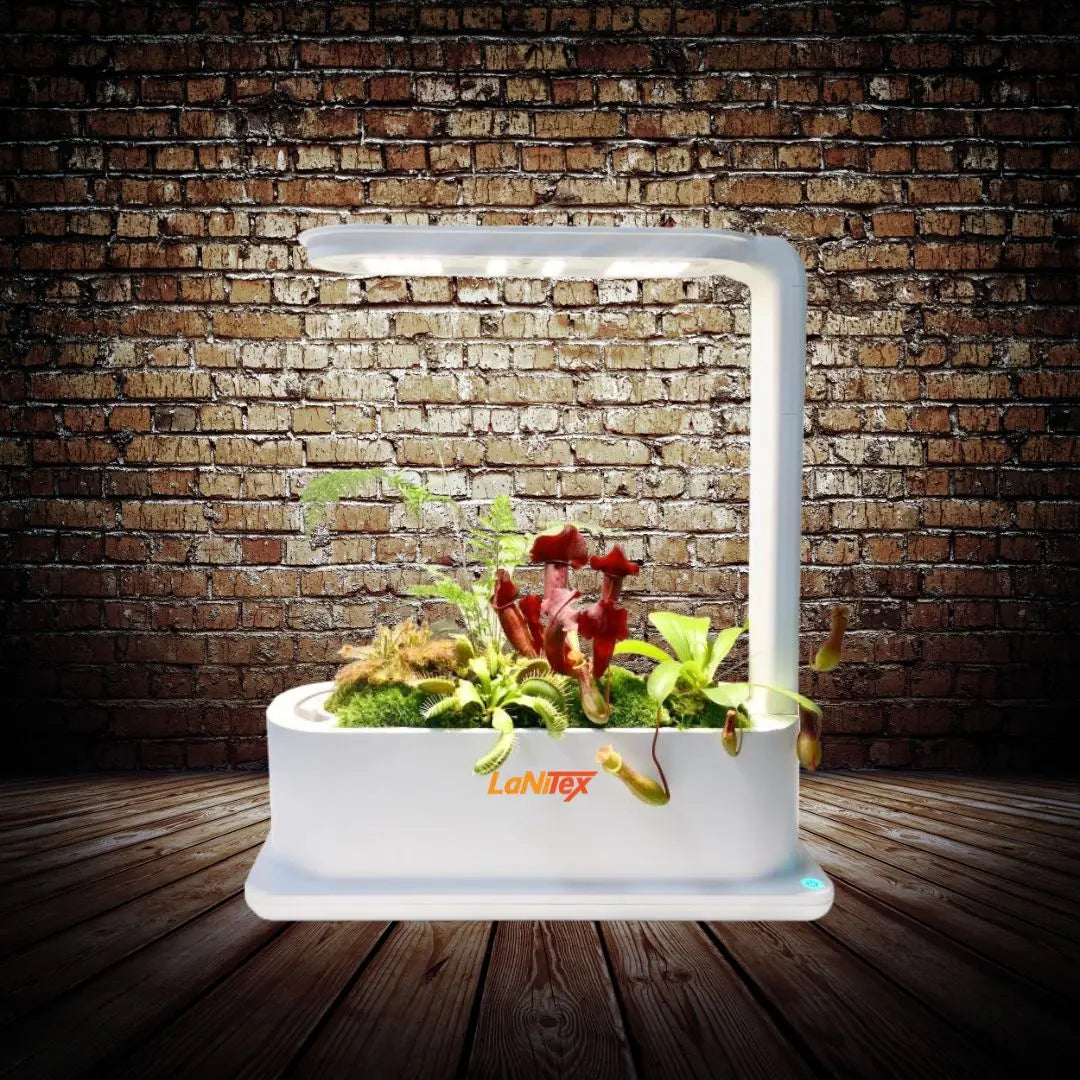
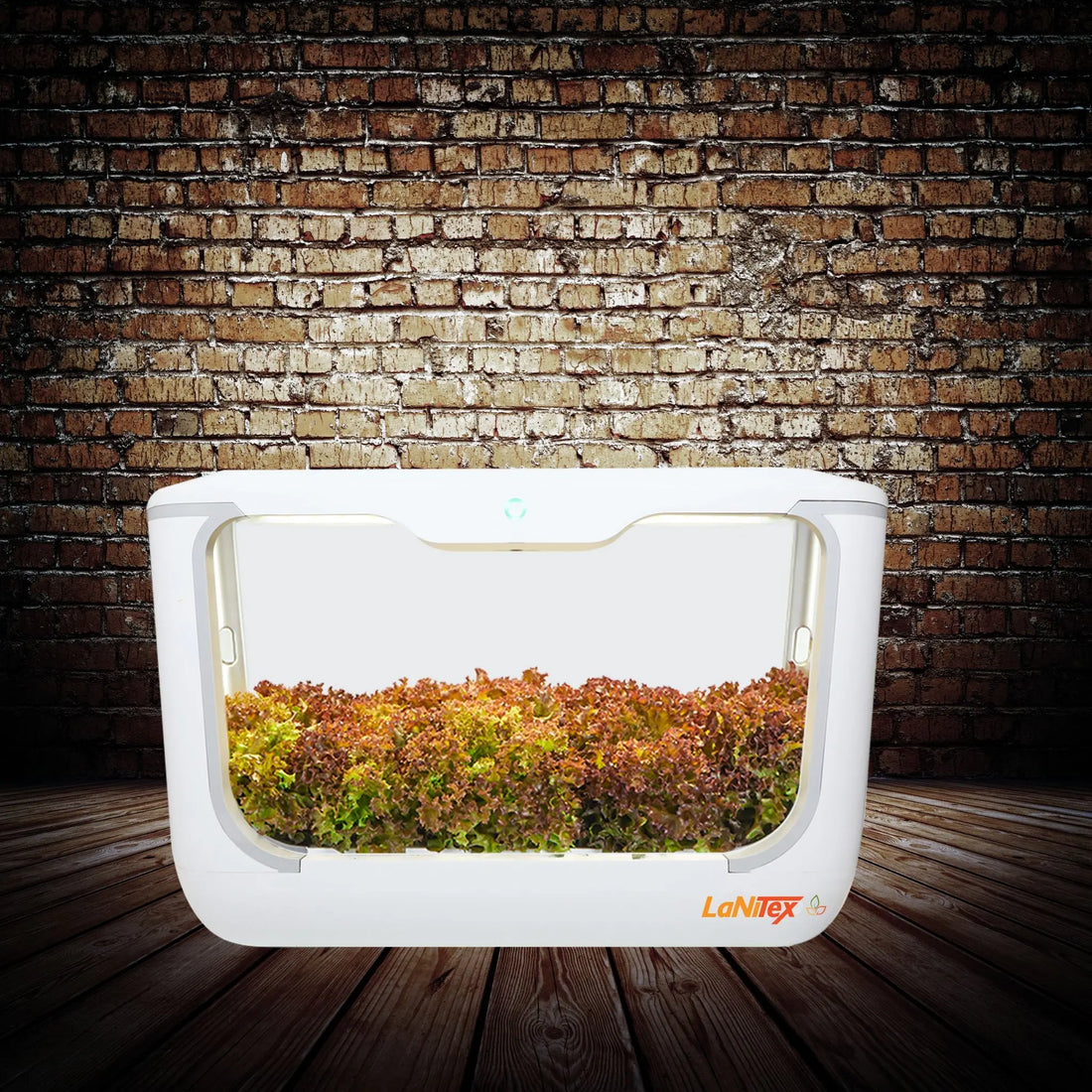
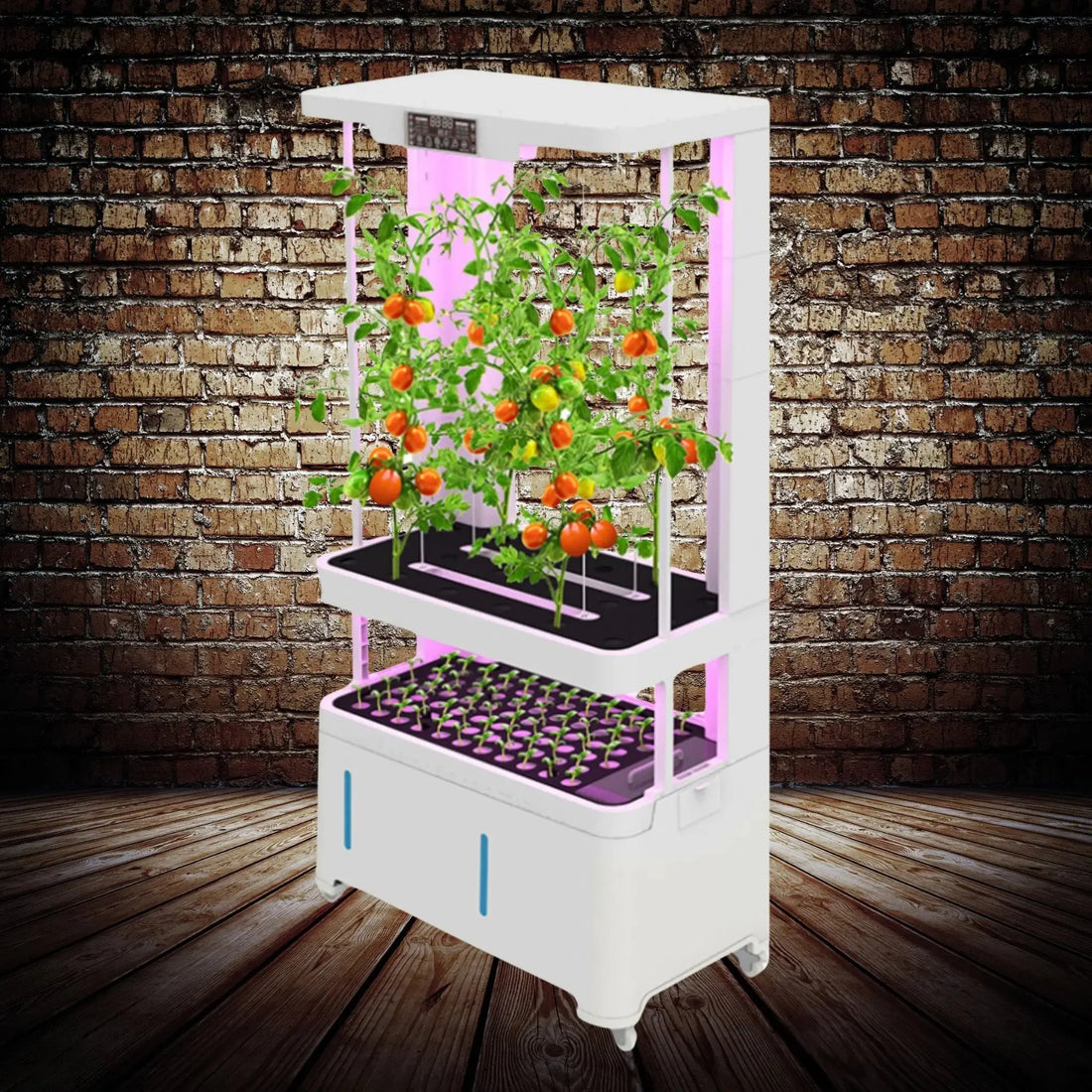
For a home hydroponic setup running red oak leaf lettuce, a self-contained box beats a built system: one unit, light fixed at the right distance, nothing to plumb.

Run a full leafy-green rotation on one bench. The self-watering tank and full-spectrum LED hold the routine steady. You choose what goes in.
Start growing lettuce indoors →Personally tested at home on the Sunshine Coast before listing.
Pick the system you will actually maintain, not the flashiest one.
Growing oakleaf lettuce through the Australian seasons
Climate zone decides the calendar. In tropical and subtropical zones, Brisbane and the Sunshine Coast included, the reliable window runs from autumn to spring. Summer, in contrast, is a bolting fight. Temperate zones stretch that window at both ends, and cool-temperate growers can run through summer outdoors, even if they need supplementary light in mid-winter.
Indoors the seasons matter less, though not none. Summer means watching reservoir and room temperature at the same time. Winter means shorter daylight if the unit sits near a window. In either case, the best temperature for hydroponic oakleaf lettuce in Australia is the same all year: 15-22 deg C air, cooler water, steady light hours.
Common problems and how to fix them
Three failures cover most cases.
Tipburn. Brown, papery leaf margins. Most guides call this a feeding error, and that advice is wrong. Tipburn is a localised calcium deficiency caused by a limited supply of calcium relative to fast-growing shoot tips (Ertle et al., HortScience). Instead, it is a transport problem, not a shortage in the tank. Calcium moves with water. Anything that slows transpiration therefore starves the tips while the reservoir reads fine. First, fix airflow. In one indoor trial, for example, every cultivar showed visible tipburn about 22 days after transplant, affecting 7% to 41% of leaves by day 28. Cultivar choice changes the odds, and that is why 'Rouxai', a red oak leaf type, was in that work: it is relatively tipburn tolerant.

Bolting. The plant stretches and turns bitter, triggered by heat and long days. Don't try to rescue a bolting plant. Harvest it instead, and start the next one cooler.
Nutrient lockout. pH drifts outside the 5.5-6.5 band and roots stop taking up what is already in the water. Iron goes first, locking out once pH climbs past about 6.5, with manganese and other micronutrients following as it rises further. That is why the top of that band is a ceiling rather than a target. The symptoms look like every deficiency at the same time. Test pH before you add anything.
Harvesting oakleaf lettuce (and getting a second cut)
Oak leaf is a loose-leaf lettuce, and that changes the timeline. Crisphead types such as iceberg lettuce build a dense heart before they are worth cutting, which is where the longer figures you see quoted come from. Oakleaf never forms that heart, which in practice puts a first cut closer to 3-5 weeks in summer and 4-6 in winter, with softer butterhead lettuce sitting between the two.

Oakleaf harvest timing gets quoted two different ways, and both are right. Counted from sowing rather than from transplant, full-size leaves land closer to 45 to 55 days, while a first baby-leaf pick comes earlier, at roughly 30 to 35 days. That 45-55 window is the figure most oak leaf guides use, though it assumes good conditions; in cooler weather, or counting from germination rather than sowing, allow closer to 60 days. The two figures simply start the clock in different places, and the 3-5 week version assumes you begin with a seedling.
For repeat cutting on oakleaf, take the outer leaves and leave the growing point intact. In practice you get two to four cuts before the oakleaf plant tires or bolts. Harvest in the morning, while leaves are turgid. Then rinse, dry and refrigerate: wet leaves rot, and food safety for leafy greens means clean water, clean hands and cold storage. Held properly cold, at roughly 0 to 2 deg C, cut leaves keep for up to three weeks, though that assumes a stable, properly cold chill; in a typical home fridge, expect seven to ten days. Either way, the first week is when they are still worth eating raw. To keep supply steady, start the next oakleaf batch every two weeks instead of waiting for the current plants to tire. Cut little and often, and one plant feeds you for weeks.

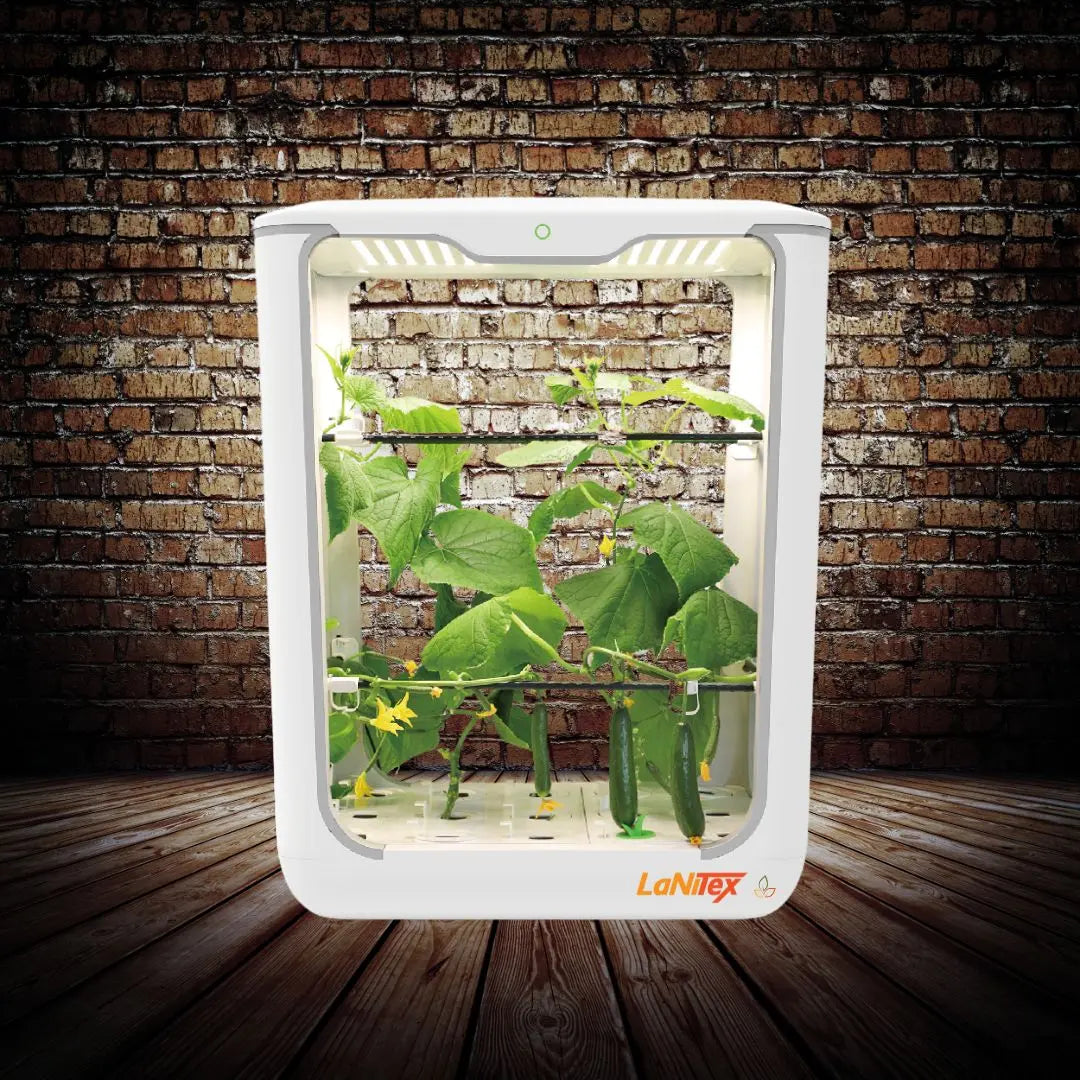
Scale up to 72 planting sites when one box stops keeping up with the salad drawer. Vertical footprint, same self-watering approach.
Step up to a tower →Personally tested at home on the Sunshine Coast before listing.
The full range
Find the system that fits your space


Supported in Australia - every model tested before listing.
Frequently asked questions
What is the best pH and EC for growing oakleaf lettuce in a home hydroponic system?
Run pH 5.5-6.5, aiming for 6.0 to 6.2, where peak yields were measured. Then start EC at 0.8-1.2 mS/cm for seedlings and lift it past 1.6 mS/cm at maturity (Samarakoon et al.).
How many hours of light do hydroponic oakleaf lettuce plants need?
Twelve to fourteen hours a day. Even so, more adds heat and bolting risk without much extra leaf. As a working range, 150-250 umol/m2/s suits most units.
Which hydroponic system is best for oakleaf lettuce in an Australian backyard?
NFT and deep water culture both work well. But for a first system a grow box is simpler: fixed lighting, nothing to plumb, easy to shift somewhere cooler.
How long does oakleaf lettuce take to grow hydroponically before harvest?
About three to five weeks from transplant in summer, four to six in winter. Counted from sowing instead, a baby-leaf pick comes at roughly 30 to 35 days and full-size leaves at 45 to 55 days. By comparison, the much longer figures you see quoted belong to crisphead types, which form a heart first.
What nutrient ratio should I use for hydroponic oakleaf lettuce?
A standard leafy-green formula: nitrogen-led, with steady potassium, calcium and magnesium. Instead of chasing an exact ratio, manage EC by stage and keep pH stable.
How do I stop hydroponic oakleaf lettuce from bolting in hot Australian summers?
Hold the air at 15-22 deg C, keep water cooler still, cap light at 12-14 hours, and harvest younger. In a Queensland summer, that means using the coolest room you have.
What temperature range is ideal for hydroponic oakleaf lettuce indoors?
15-22 deg C air. Below that, growth slows. Above roughly 24 deg C, in contrast, bolting risk climbs and the root zone loses oxygen.
Sources
- Samarakoon et al. "Effects of Electrical Conductivity, pH, and Foliar Application of Calcium Chloride on Yield and Tipburn of Lactuca sativa Grown Using the Nutrient-Film Technique." HortScience. https://doi.org/10.21273/HORTSCI15070-20
- Ertle et al. "Testing Cultivar-specific Tipburn Sensitivity of Lettuce for Indoor Farming." HortScience. https://doi.org/10.21273/HORTSCI17313-23
- "Vegetable Cultivar Descriptions for North America: Lettuce (M-Z)." North Carolina State University, Department of Horticultural Science. https://cucurbitbreeding.wordpress.ncsu.edu/2016/06/02/lettuce-m-z/
About the writer
Laszlo Bulatko founded LaNiTex Hydro Garden in December 2024, based on the Sunshine Coast in Queensland. Before hydroponics he spent 15 years in sales, marketing and brand development in the Hungarian fishing-tackle trade, after starting his career at IBM and Diageo. Every product in the catalogue was tested at home before listing. He also runs the Term-Grow Enrolment programme, putting grow boxes into Queensland primary school classrooms. Read more on the founder page.