
Few cut flowers pack the perfume of a stock flower, yet most Australian growers lose them to heat by mid-spring. So get the timing and temperature right and stocks reward you with dense, sweet-scented spikes, which an indoor setup makes far easier to control.
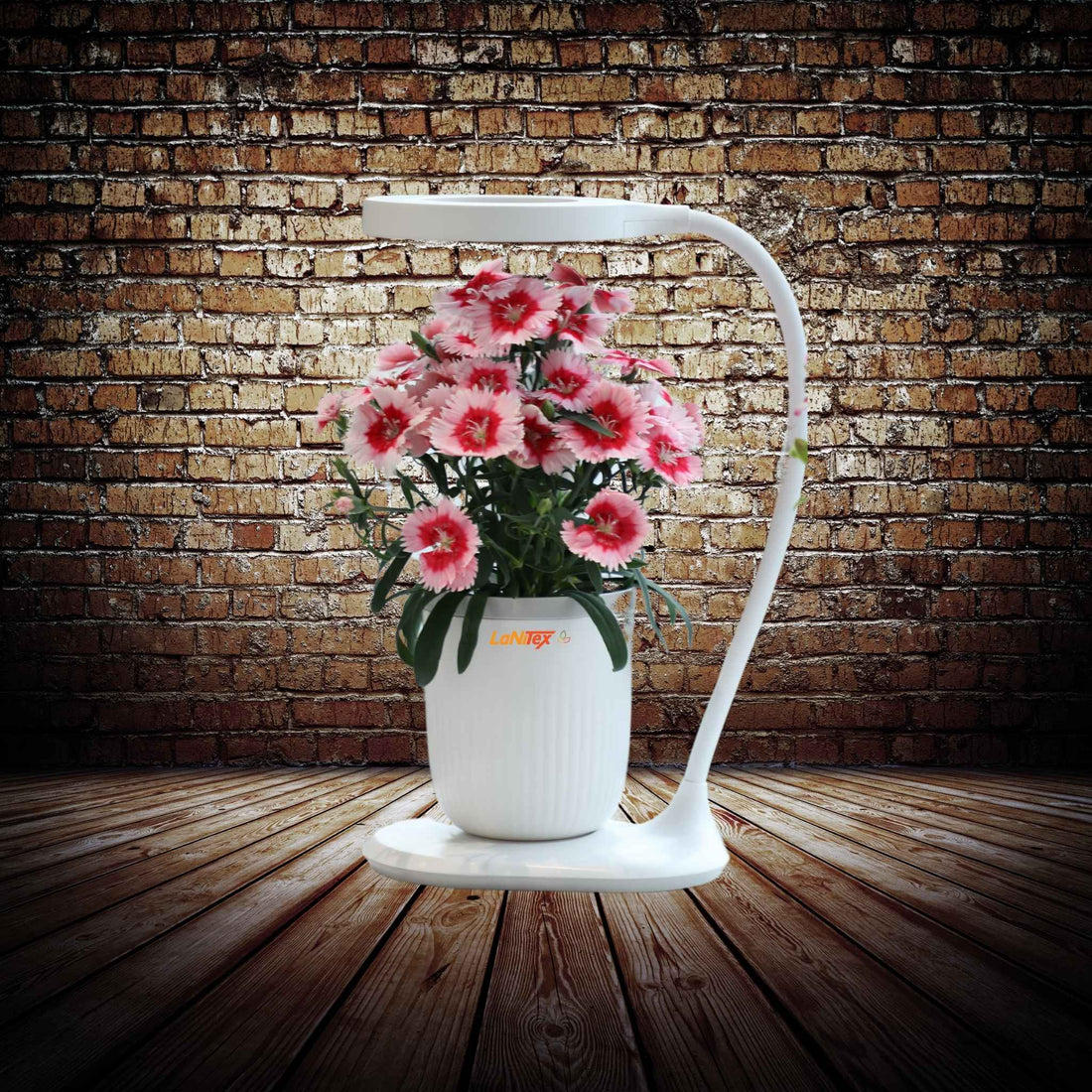
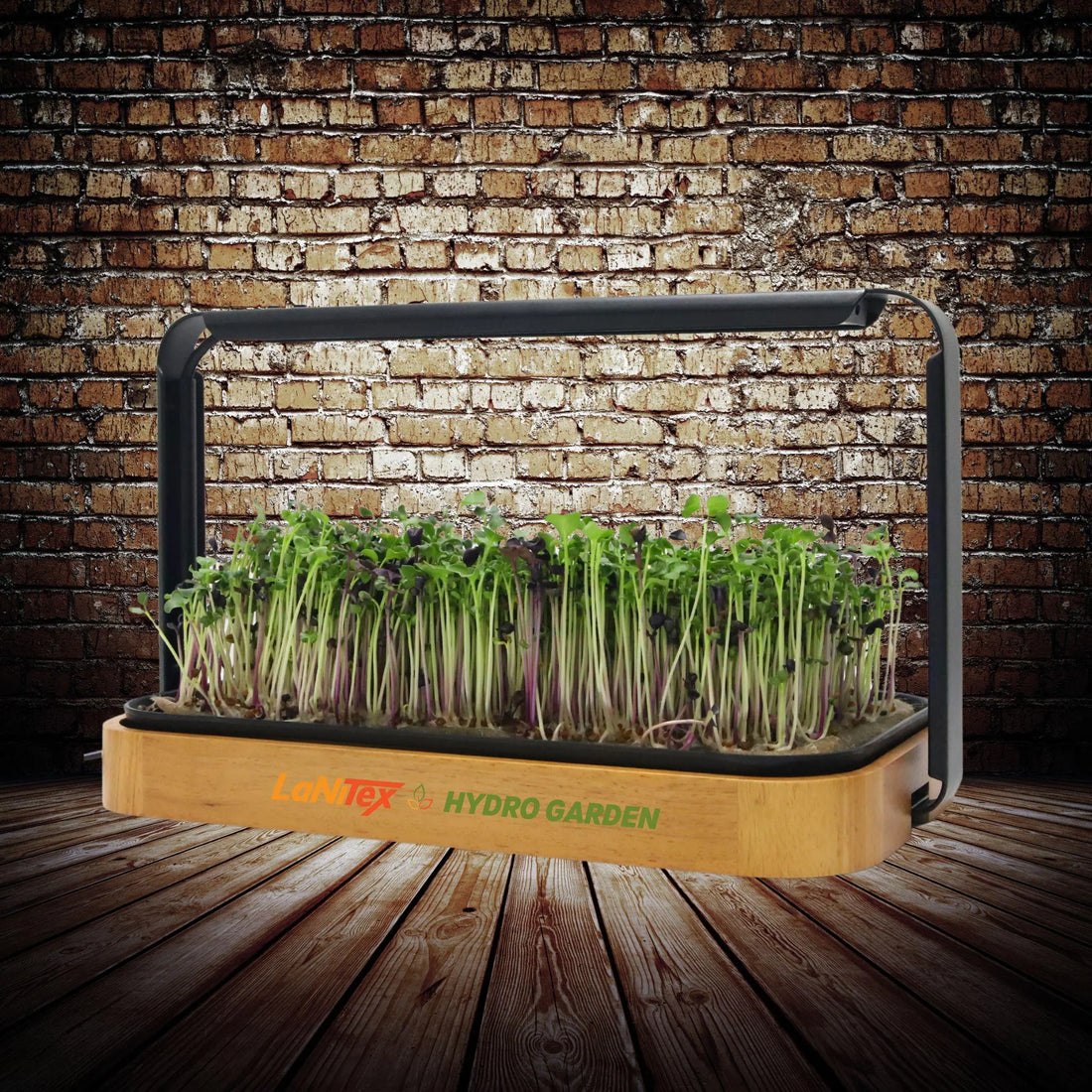
For a single dwarf stock on the bench, the compact self watering pot holds steady conditions in a small footprint.
This guide is for: Beginners to intermediate growers who want fragrant indoor cut flowers.
Quick answer: Yes, you can grow stock flowers (Matthiola incana) hydroponically in Australia. Stocks are a cool-season crop, so an indoor system that holds steady temperatures and pH 6.0 to 7.0 suits them well. Sunshine Coast and Brisbane growers get the best blooms from May through September. In practice, that window is when Sunshine Coast and Brisbane homes stay naturally cool.
Key takeaways:
- Stock flowers are a cool-season crop; they flower in the cooler months and stop once heat sets in.
- On the Sunshine Coast, mean minimums stay at or below 13.8 degrees C from May to September, the flowering window.
- Keep the solution at pH 6.0 to 7.0; no reliable nutrient or light figures are published for this species.
- Single and double plants cannot be told apart at the seedling stage without DNA markers.
- The ASPCA lists stock among its pet-safe flowers, a low-risk indoor bloom for pet owners.
What are stock flowers?
Stock (Matthiola incana) is a fragrant cut flower in the brassica family, grown for its tall spikes of clustered blooms. So in Australia it is grown as an annual, sown in autumn for flowers through the cooler months, though the plant is technically a short-lived perennial. But do not confuse it with night-scented stock (Matthiola longipetala), a different species grown for evening perfume rather than cut stems.
Stock flowers come in single and double forms, and the doubles carry more petals and last longer in a vase. And the scent is the real draw. One stem can perfume a whole room.

Which stock flower cultivars and colours should you grow?
Colour is the most searched question about stocks, so start there. Iron Series and Ten Week types are the two most reliable groups for a home grower. For example, the Iron Series holds up in changeable weather, and Ten Week Stock is quick from sowing to bloom. The Cheerful Series, on the other hand, suits growers who want branching sprays. If your shoulder season runs warm, look for a heat-tolerant, season-extending series such as Anytime. This series is bred to take more warmth and can go in a little later than older strains. That edge matters on the Sunshine Coast, where the cool window is short.
| Series | Strength | Best for |
|---|---|---|
| Iron Series | Holds up in changeable weather | Reliable all-round home crop |
| Ten Week Stock | Quick from sowing to bloom | Short cool windows |
| Cheerful Series | Branching sprays | More stems per plant |
| Anytime | Heat-tolerant, season-extending | Warm shoulder seasons (Sunshine Coast) |
For colour, whites and creams read fresh, pinks and apricots feel soft, and deep purples add contrast to a mixed vase. If you also grow other cool-season flowers, our guides to marigolds and calendula pair well with a stock patch. Buy seed from an Australian seed supplier, since we do not sell seed or stems ourselves.
What I've learned about growing stock flowers from research
I will be straight with you. I have not grown stocks in my own systems yet, so everything here comes from research and from testing the hardware, not from a harvest I can photograph. And that honesty matters, because much stock-flower advice online repeats claims without a source. What the research agrees on is clear.
Stock flowers are a cool-season crop that stops flowering in heat. For example, germination needs a warm band, flowering needs cool conditions, and the double-flower trait is set by genetics. And where the numbers are shaky, I have left them out rather than guess.
Get a fresh grow guide like this every fortnight
Join the LaNiTex Hydro Garden newsletter for practical hydroponic, microgreen and mushroom growing tips for Australian homes. Subscribe to download a free hydroponics starter guide (PDF) and get 10% off your first order.
Join the newsletter →Sowing, germination and selecting for double flowers
If you are learning how to grow stock flowers, the sowing stage decides most of your success. Then sow in late summer to early autumn so plants mature into the cool months. Mississippi State University Extension reports that stock seed germinates in seven to fourteen days at 18 to 24 degrees C, so keep trays warm. Also, press the seed onto the surface and barely cover it, since a little light helps germination.

Double flowers are where growers get frustrated. That means seed sold as doubles still produces a mix of singles and doubles, because the trait is genetically controlled. In a 2018 study published in Plant Science, researchers showed that single and double seedlings cannot be told apart by eye at the seedling stage, and that reliable selection needs DNA markers. Some growers use a cold spell after germination to bring the difference out in leaf colour, but the exact timings are not well sourced, so I have left them out.
Instead, sow more than you need, then select your best doubles when they flower. Rather than sowing the lot in one go, stagger a few smaller sowings across late summer and autumn, and you spread the picking across the whole May-to-September window instead of getting one short flush.
Growing stocks indoors and hydroponically
Indoor growing suits stocks better than most flowers, because you control the single thing they care about most, which is a steady temperature in a cool room. In practice, a hydroponic stock flower setup lets you hold steady conditions and clean roots right through a Queensland shoulder season, exactly when outdoor beds swing too warm and buds blast before they open. So keep the nutrient solution at pH 6.0 to 7.0, feed the plants moderately, and step the strength up only a little once flower spikes begin to form, rather than running it strong from the very start. The one honest gap worth naming here is that no reliable published nutrient or light figures exist for Matthiola incana. So give stocks as much light as your unit provides. And treat anyone quoting exact numbers with real caution until it is independently confirmed.
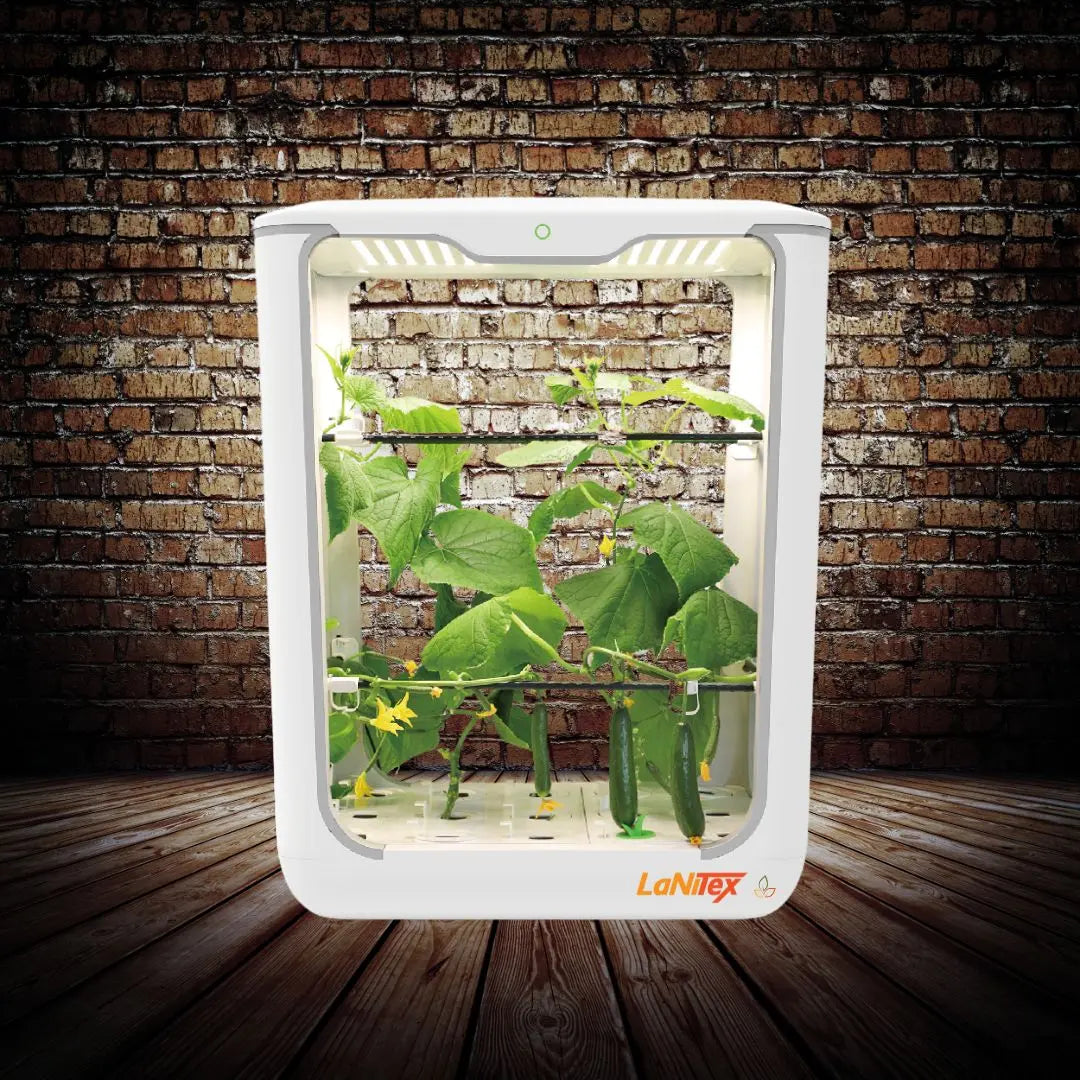
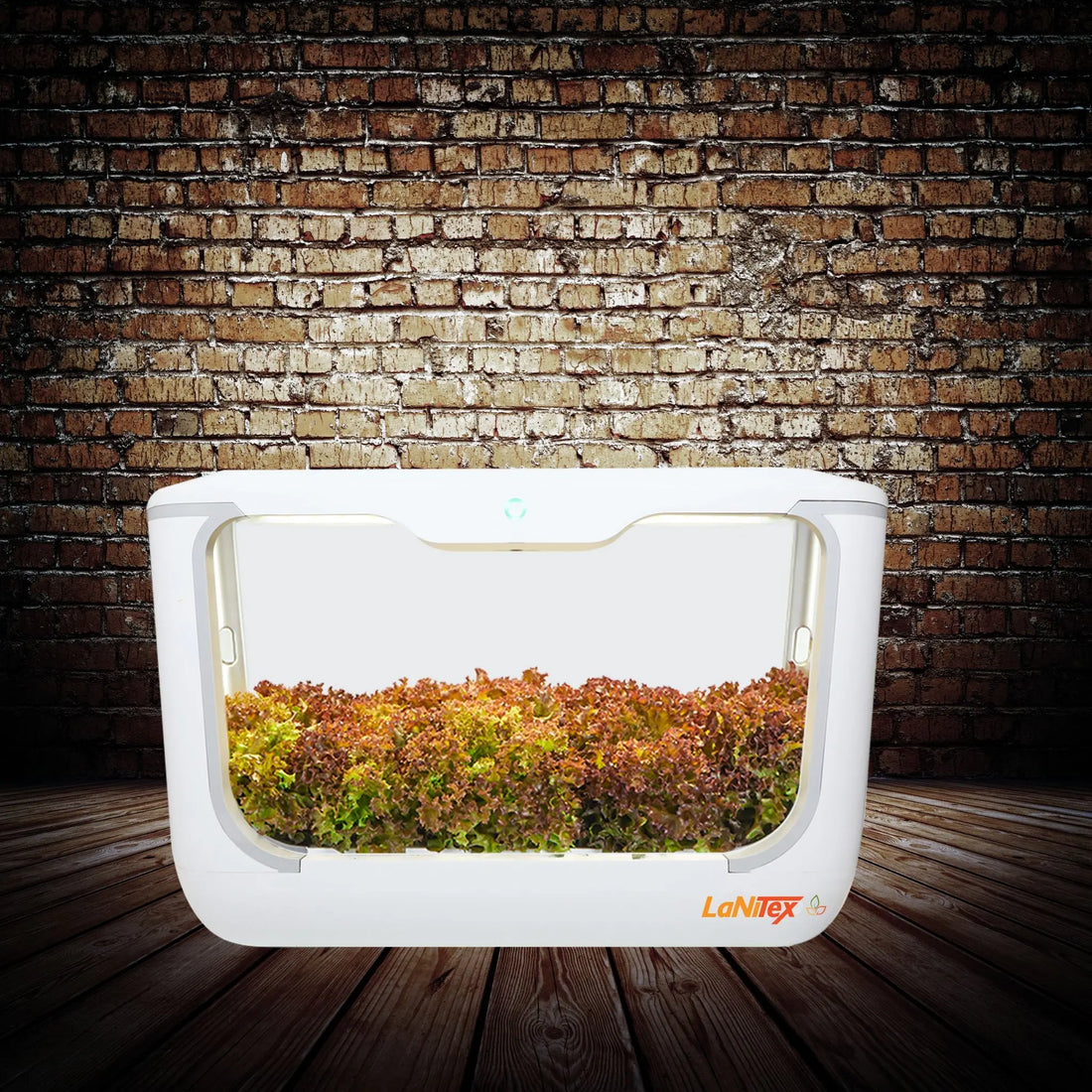
Head height decides everything for a tall column type. Our Grow Box Tall version was built for upright, single-stem crops like this. I tested it once at home on the Sunshine Coast before I stocked it. In that testing, lettuce ran 25 to 35 days, with herbs cropping year-round. That tells me the light and climate hold steady enough for a fussy cool-season flower. Also, give each plant room, roughly 30 cm apart in a bed or one plant per hydroponic site, so air moves freely between the stems and grey mould gets no foothold. And tall column stocks also lean as the spikes fill out, so run a layer of support netting or slip a thin stake beside each stem to keep it straight for the vase.
New to indoor growing? Our hydroponic system essentials guide covers the basics.

Hold steady conditions for tall cool-season flowers indoors. The full-spectrum light and enclosed cabinet give upright, single-stem crops the head height and steady conditions they need. You bring the seed.
Start growing indoors →Personally tested at home on the Sunshine Coast before listing.
When and how do you harvest stock flowers?
Harvest a stock spike when about half its florets are open, since the top buds keep opening in the vase. Then cut in the cool of the early morning, when stems are full of water, and take them straight into a clean bucket. Also, strip any leaves that would sit below the waterline, since they foul the water and shorten vase life.
Most garden stocks are single-stem plants, so one clean cut is usually the whole harvest, though a few branching types push side shoots if you leave them. So change the vase water every couple of days, and stocks hold their scent for close to a week.
Are stock flowers safe for pets?
This question decides an indoor purchase for pet owners, and stocks come out well. The ASPCA's Animal Poison Control Center includes stock (Matthiola incana) in its list of pet-safe flowers, which is reassuring if you grow cut flowers on a bench a curious pet can reach. Even so, that does not mean you should let an animal chew any plant, since even non-toxic greenery can upset a stomach.

That means stock is a low-risk choice next to lilies or daffodils, which are genuinely dangerous to cats. That is a real reason to choose stocks over showier, riskier blooms.

Ready to scale up? The V5.2-A tower runs 72 planting sites under full-spectrum light, so you can grow herbs and greens alongside a flower crop.
Grow more at once →Personally tested at home on the Sunshine Coast before listing.
Common problems and why stocks stop flowering
If your stocks stop flowering, the cause is almost always heat, not a lack of care. For example, Mississippi State University Extension notes that once temperatures rise, stocks stop producing marketable flowers. Cool weather does more than protect the blooms, though. A sustained cool spell is also what pushes the plant to form flower spikes in the first place. That means a mild season that never really cools can leave stocks leafy and slow to bud. Bureau of Meteorology data explains the Australian timing. On the Sunshine Coast, mean minimum temperatures sit at 13.8 degrees C in May and fall to 9.7 degrees C in July before climbing back to 13.0 degrees C by September (Bureau of Meteorology).
Brisbane runs a touch cooler, near 9.4 degrees C in July. That means the May to September window is your flowering season. Also, grey mould in humid weather and root rot from a warm, stale solution are the other common problems. So keep airflow moving, the solution cool and fresh, and watch for aphids.
The full range
Find the system that fits your space


Supported in Australia - every model tested before listing.
FAQ
How do you grow stock flowers?
Sow stock seed in late summer or autumn so plants flower through the cool months. Germinate at 18 to 24 degrees C, then grow the seedlings on in bright, cool conditions. So keep a hydroponic solution at pH 6.0 to 7.0, give full light, and harvest when about half the florets have opened.
Are stock flowers safe for cats?
The ASPCA's Animal Poison Control Center includes stock (Matthiola incana) in its list of pet-safe flowers, so it is a low-risk choice around cats. As with any plant, stop a cat chewing the foliage, since even safe plants can upset a stomach. So stock is a far safer pick than lilies, which are highly toxic to cats.
Are stock flowers annuals or perennials?
Stock (Matthiola incana) is technically a short-lived perennial, but in Australia it is almost always grown as an annual. So growers sow fresh seed each autumn and pull the plants after flowering, because stocks flower best in their first cool season.
Are stock flowers cut and come again?
Most stocks are single-stem plants, so they are not a true cut-and-come-again flower. So one clean cut is usually the whole harvest. Some branching types push a few side shoots, but the main spike is the star, so sow more plants for more stems.
When should you harvest stock flowers?
Harvest a stock spike when about half its florets have opened, cutting in the cool of the early morning when stems are full of water. The remaining buds keep opening in the vase. Then get them into clean water quickly and they hold for close to a week.
How tall do stock flowers grow?
Most stocks grow between 30 and 75 cm tall, depending on the variety. Dwarf types stay near the lower end, while column types reach the upper end on a single stem. That upright habit is why a taller indoor cabinet suits them.
Can stock flowers handle frost?
Stocks are a cool-season crop and take cool conditions in their stride; established plants shrug off a light frost, which is part of why they flower right through the Australian winter. Young seedlings are more tender, so shelter early sowings from a hard frost. But heat, not cold, is what usually ends their run.
Can you grow stock flowers in pots?
Yes. Stocks grow well in pots and containers as long as the mix drains freely and each plant has room, roughly one plant per 20 cm pot. So keep the same cool-season timing and a bright, cool spot, and a pot lets you move plants out of the worst afternoon heat.
Can you grow stock flowers hydroponically in Australia?
Yes. Stocks are a cool-season crop, so an indoor hydroponic system that holds steady temperatures and a pH of 6.0 to 7.0 suits them well. Sunshine Coast and Brisbane growers get the best blooms from May through September, when conditions are naturally cool.
Sources
- ASPCA, "Mother's Day Bouquets: What's Safe for Pets?" https://www.aspca.org/news/mothers-day-bouquets-whats-safe-pets
- Mississippi State University Extension, "Stock (Matthiola incana) for the Farmer Florist." https://extension.msstate.edu/publications/stock-matthiola-incana-for-the-farmer-florist
- Nakatsuka et al., "Molecular characterization of a double-flower mutation in Matthiola incana," Plant Science, 2018. https://pubmed.ncbi.nlm.nih.gov/29362082/
- Bureau of Meteorology, Sunshine Coast Airport climate averages. https://www.bom.gov.au/climate/averages/tables/cw_040861.shtml
About the writer
Laszlo Bulatko founded LaNiTex Hydro Garden in December 2024, based on the Sunshine Coast (Sippy Downs, QLD 4556). Before hydroponics, he spent 15 years in sales, marketing and brand development in the Hungarian fishing-tackle trade, after starting his career at IBM and Diageo. He hand-picks and tests each system at home before listing it, then ships Australia-wide.
He also runs the Term-Grow programme, placing grow boxes in Queensland primary school classrooms. Read more on the about Laszlo page.