
Hydroponic Plants: Calendula Flowers and Their Cultivation in Hydroponic Systems
Calendula (Calendula officinalis), also known as pot marigold, is a versatile flowering plant praised for its medicinal and ornamental value. Originally native to Mediterranean regions, these hydroponic plants thrives in controlled environments, making it ideal for sustainable indoor cultivation. Unlike traditional soil-grown calendula, hydroponic systems provide improved nutrient absorption, faster growth rates, and greater resistance to pests and diseases.
If you enjoy raising cool-season, cottage-garden blooms indoors, the same hydroponic approach works for growing stock flowers, prized for their fragrance and long-lasting cut stems.
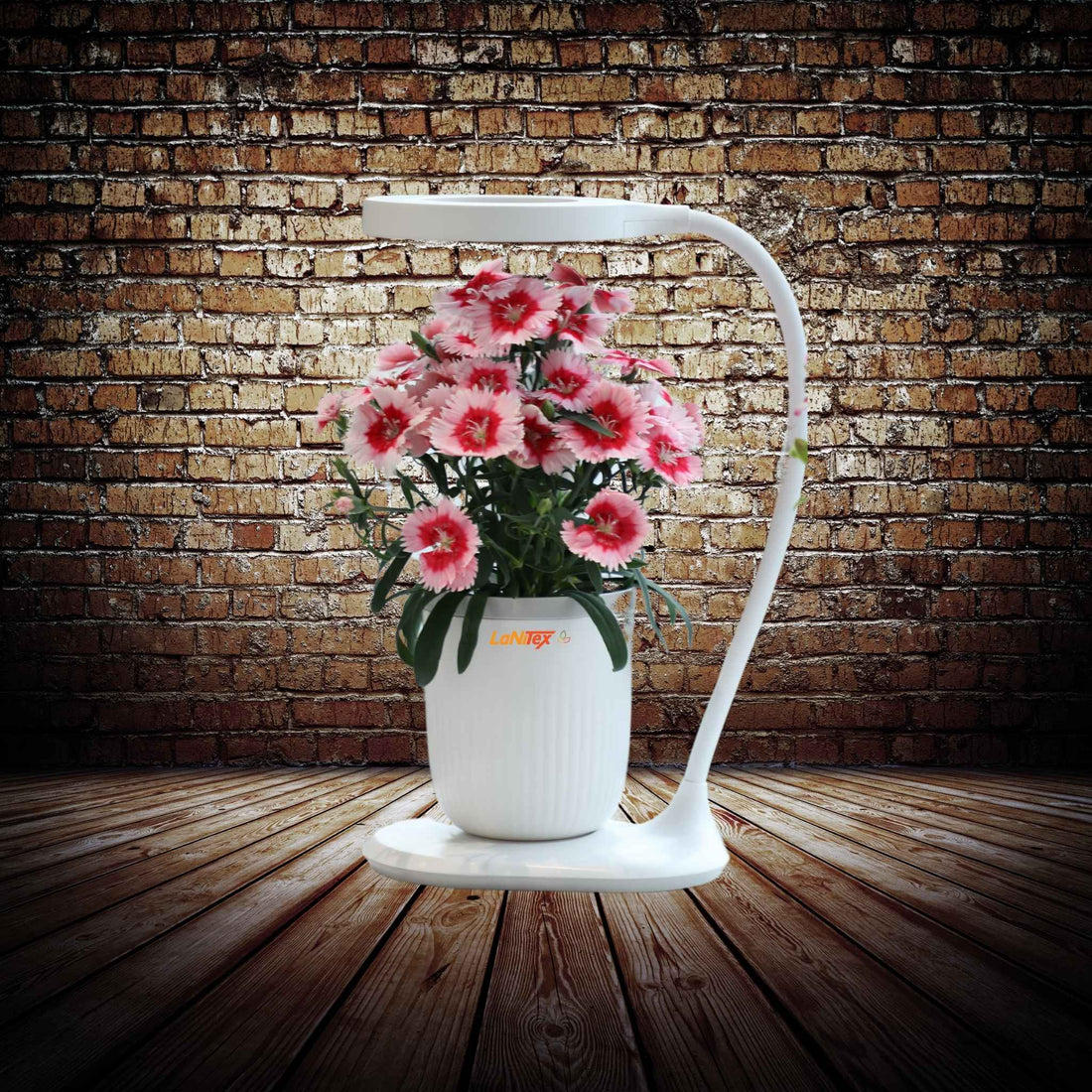
To keep just one dwarf calendula on the bench, a compact self watering plant pot handles the watering and light for you.

Hydroponic Growing Conditions of Calendula Flowers
Optimal pH and EC Levels for Hydroponic Calendula
Maintaining precise pH and electrical conductivity (EC) levels is essential for healthy root development and abundant flowering:
- pH Range: 5.5–6.2 – This slightly acidic range enhances nutrient uptake and prevents deficiencies.
- EC Levels: 1.2–1.8 mS/cm – Maintaining this range ensures balanced nutrient availability, supporting vigorous growth.
Regular monitoring and adjustments of the nutrient solution help sustain these parameters, ensuring strong root systems and vibrant blooms.
Environmental Requirements for Hydroponic Calendula
Creating an ideal hydroponic environment for calendula involves precise control over light, temperature, and humidity:
Light Requirements
Calendula requires 12–16 hours of LED or fluorescent lighting per day to support photosynthesis and continuous flowering. Full-spectrum grow lights enhance petal pigmentation and overall plant health.
Temperature Control
Maintaining a stable temperature between 18–24°C is ideal for hydroponic calendula. This range supports consistent growth while preventing stress-related issues. Cooler temperatures may slow development, while excessive heat can reduce flower production.
Humidity Management
Optimal humidity levels should be maintained between 50–75% to prevent fungal diseases and encourage healthy blooms. Proper air circulation and humidity control systems help regulate moisture levels, reducing the risk of mildew and bacterial infections.
By integrating hydroponic techniques, calendula can be cultivated sustainably while maintaining its medicinal, cosmetic, and ornamental value.
Cultivation Process of Calendula in Hydroponic Systems
Seed Spacing and Germination in Hydroponic Systems
For successful hydroponic cultivation, calendula seeds should be spaced one per hole in hydroponic trays to allow adequate room for root expansion. The germination process typically begins within 7–14 days, depending on environmental conditions such as temperature and humidity.
Since calendula seeds are small and delicate, they should be sown shallowly in pre-moistened grow media like coco coir, perlite, or rock wool. Maintaining a temperature of 18–24°C (64–75°F) during germination ensures optimal sprouting.
Once seedlings establish strong root systems, they are transplanted into hydroponic growing channels or nutrient-rich reservoirs. This method ensures efficient nutrient absorption, leading to vigorous growth and high-yield potential.
Growth Timeline and Maturity
After transplanting, hydroponic calendula reaches maturity within 6–10 weeks, making it a relatively fast-growing plant compared to traditional soil-based cultivation. The controlled environment of hydroponic systems allows for consistent growth rates, ensuring year-round production without seasonal limitations.
Regular monitoring of pH levels (5.5–6.2) and electrical conductivity (EC) levels (1.2–1.8 mS/cm) is essential to maintain optimal nutrient balance. Proper light exposure (12–16 hours daily) and temperature regulation (18–24°C) further enhance plant development.
Popular Calendula Varieties for Hydroponic Gardens
Several calendula varieties thrive in hydroponic gardens, each offering unique colors and growth characteristics:
- Calendula officinalis ‘Orange King’ – Recognized for its deep orange blooms, this variety is commonly grown for ornamental and medicinal purposes.
- Calendula officinalis ‘Pacific Beauty’ – Known for its mixed shades of yellow and orange, this variety is cultivated for both decorative and herbal applications.
These varieties adapt well to hydroponic systems, benefiting from controlled nutrient delivery and optimized environmental conditions.
Uses and Benefits of Hydroponic Calendula Flowers
Culinary Applications of Hydroponic Calendula
Calendula petals serve as a natural colorant and flavorful garnish, adding a mild, peppery taste to various dishes:
- Salads and fresh greens – The bright petals enhance visual appeal and nutritional value, making them a popular choice for gourmet salads.
- Soups and broths – Calendula infuses a subtle floral essence, enriching the depth of flavors in vegetable and herbal soups.
- Teas and infusions – The petals are commonly brewed into antioxidant-rich herbal teas, offering potential health benefits.
Because hydroponic plants grow in controlled environments, calendula maintains consistent flavor intensity and nutrient density, making it a preferred ingredient for culinary experts.
Medicinal Properties of Hydroponic Calendula
Calendula is packed with anti-inflammatory, antioxidant, and wound-healing compounds, contributing to various health benefits:
- Skin hydration and repair – Calendula extracts promote collagen production, aiding in wound healing and skin regeneration.
- Immune system support – Rich in flavonoids and carotenoids, calendula strengthens the body's natural defenses.
- Anti-inflammatory effects – The plant helps reduce swelling and irritation, making it beneficial for digestive health and muscle recovery.
Studies suggest that calendula-based treatments may also assist in reducing oxidative stress and supporting cardiovascular health, further enhancing its medicinal value.
Research for expert insights
Here are some expert sources and research articles on hydroponic calendula cultivation:
|
Company/Institution |
Article Title |
Article Link |
|---|---|---|
|
MDPI |
Hydroponic Cultivation of Medicinal Plants—Plant Organs and Hydroponic Systems: Techniques and Trends |
|
|
Academia.edu |
Effect of Phosphorus Treatment on Growth and Yield in the Medicinal Herb Calendula officinalis L. (Standard Pacific) under Hydroponic Cultivation |
|
|
International Journal of Research and Review |
Cultivation of Medicinal Plants Using Hydroponic System |
These articles provide insights into hydroponic calendula cultivation, including phosphorus treatment effects, hydroponic techniques for medicinal plants, and sustainable cultivation methods.
Get a fresh grow guide like this every fortnight
Join the LaNiTex Hydro Garden newsletter for practical hydroponic, microgreen and mushroom growing tips for Australian homes. Subscribe to download a free hydroponics starter guide (PDF) and get 10% off your first order.
Join the newsletter →