
Amaranth flowers turn a plain bench into something dramatic. The tassels of love-lies-bleeding can hang past a foot long. And the upright plume types glow deep red.
Last updated: 20 July 2026
Quick answer: Amaranth is a warm-season ornamental that grows fast from seed, reaches 1 to 2 metres, and flowers in roughly 100 days. Grow it in full sun outdoors from spring, or run it indoors in a tall hydroponic system for year-round blooms.
Key takeaways:
- Love-lies-bleeding (Amaranthus caudatus) drops long cascading tassels; plume types (A. cruentus, A. hypochondriacus) stand upright.
- Amaranth flowers reach 1 to 2 metres, so give them height and a stable base.
- Feed lightly. Too much nitrogen pushes leaves over flowers.
- Cut when three-quarters of the tassel has formed, then dry the stems for everlasting arrangements.
This guide is for: Beginner-to-intermediate growers who want dramatic cut flowers, indoors or out.
What I've learned about growing amaranth flowers from research
I have not grown amaranth myself yet. So I dug into what Australian growers and seed suppliers report, then cross-checked it against how our hydroponic systems handle other tall, fast crops.
Three points keep coming up. Amaranth grows quickly, germinating in about 7 to 10 days at 20 to 25 degrees. Then it wants warmth and full sun. And it runs to leaf if you feed it too hard, which is the opposite of what a flower grower wants.
In the six-week trials I have run on other tall crops, support goes in early or the plant leans. In practice, I would treat amaranth the same way.
What is amaranth, and which types flower best?
Amaranth is a group of fast-growing, warm-season plants grown for edible leaves, grain, or ornamental flowers. For flowers, the species you pick matters most.
Amaranthus caudatus, better known as love lies bleeding, produces long ropes of tiny blooms that cascade toward the ground. For example, a well-grown love lies bleeding plant can trail tassels well past a foot. If you want upright drama instead, Amaranthus cruentus and Amaranthus hypochondriacus throw stiff, feathery plumes that stand above the foliage, much like their cousin celosia.

Named cultivars make the choice easier. Coral Fountain gives soft pink cascades, Hot Biscuits carries bronze plumes that dry well, and Green Thumb stays lime green. Then Molten Fire runs deep red, and a red amaranth flower like that reads almost black in low light.
This guide covers ornamental amaranth. For the edible microgreen version, read our guide to growing amaranth microgreens in Australia.
Why grow amaranth flowers indoors and hydroponically?
Outdoors, amaranth is a summer plant. And it hates frost and slows right down once nights cool. On the Sunshine Coast and in Brisbane you get a long warm window, but a cold snap still ends the show. Growing indoors removes that limit.
Hydroponic amaranth solves three problems at once. First, timing: indoors you control temperature and light, so you can start blooms off-season and cut flowers when you want them. Second, water: a recirculating hydroponic system feeds the roots directly, so a thirsty 2-metre plant never dries out mid-summer. Third, consistency: no soil pests, and no waterlogged beds after a Queensland downpour.
But there is a catch worth naming. A hydroponic amaranth plant grows fast, and on a leafy species that means it can bolt to foliage if the nutrient mix is too rich. That means you trade the weather risk of the garden for a feeding decision you have to get right. For most growers that is a fair trade.
Get a fresh grow guide like this every fortnight
Join the LaNiTex Hydro Garden newsletter for practical hydroponic, microgreen and mushroom growing tips for Australian homes. Subscribe to download a free hydroponics starter guide (PDF) and get 10% off your first order.
Join the newsletter →The tall setup amaranth flowers need
Height is the first practical problem. Amaranth flower height runs from about 1 metre for compact plumes to 2 metres for a mature love lies bleeding. So a plant that big needs a system with headroom and a stable base, or it topples once the tassels fill out.
That is why a tall setup suits this crop. A short countertop unit will not carry a 2-metre plant with a heavy flower head. Instead, you want vertical space, root support, and a big enough reservoir.
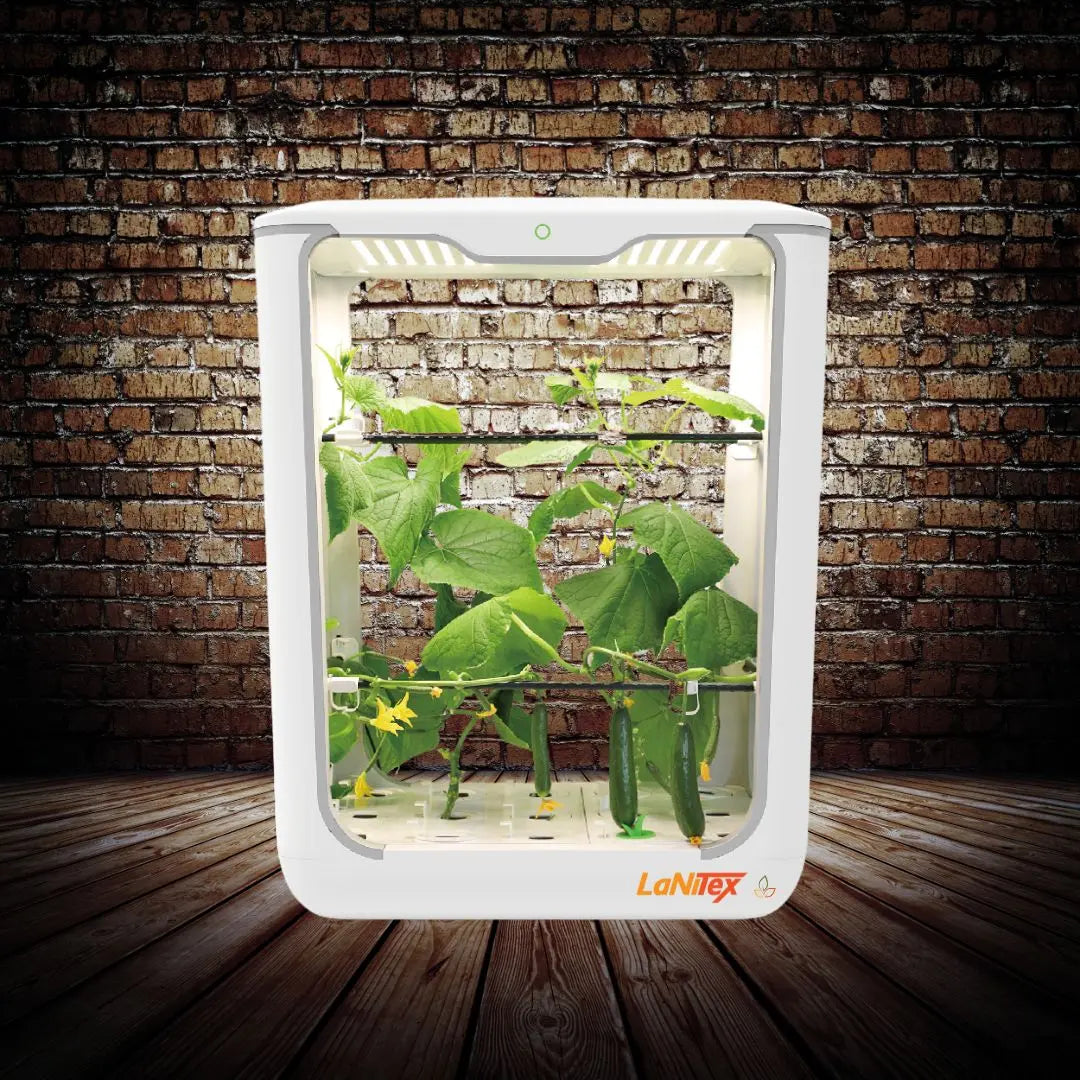
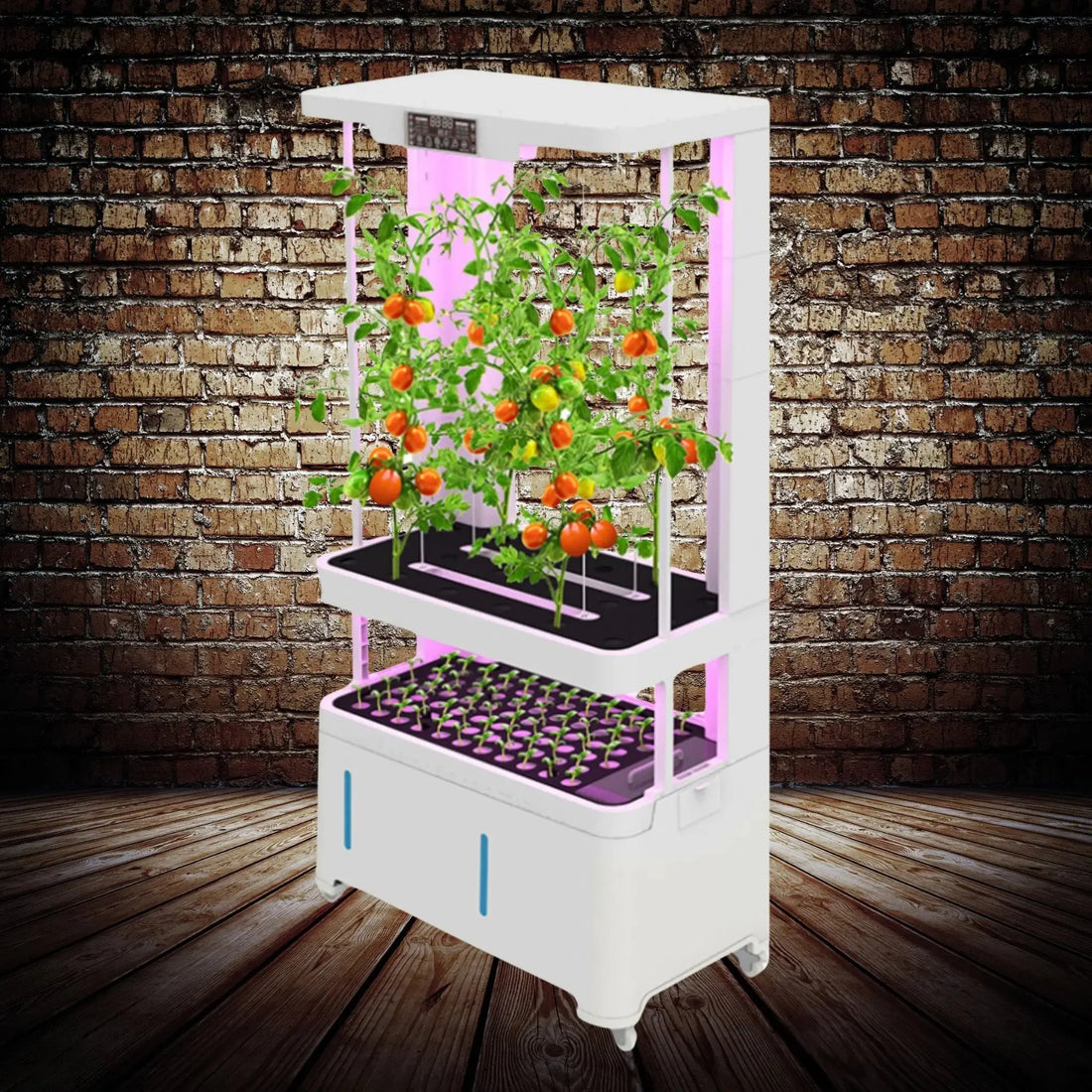
Growing amaranth flowers indoors? Be realistic about height first. The Smart Grow Box - Tall gives about 80 cm of growing height, so it suits raising strong seedlings and running compact ornamental cultivars through to bloom. A full-size love lies bleeding at 1 to 2 metres will outgrow it, as it would any countertop unit, so give those a large pot or a garden bed. It ships Australia-wide.

Amaranth tassels indoors in about 100 days, whatever the season outside — 80 cm of growing height and a full-spectrum LED keep compact cultivars blooming. You choose the variety and sow the seed.
Start growing amaranth indoors →Personally tested at home on the Sunshine Coast before listing.
Still, give each plant room. Crowding tall amaranth cuts airflow and invites trouble on the lower stems. One strong plant beats three leggy ones.
Feeding for blooms, not just leaves: pH, EC and light
Here is the part most guides skip. Amaranth is grown commercially for leaves and grain, so most advice pushes growth. For flowers you want the opposite: enough feed to build a strong plant, then restraint so it flips to blooming.
As a general starting band for leafy and ornamental crops in hydroponics, aim for a mildly acidic nutrient solution around pH 5.5 to 6.5 and a moderate strength of roughly 1.0 to 1.8 EC. Instead, treat those as a context-dependent range for this type of plant, not a precise amaranth formula.
But the common mistake is over-feeding. Pile on nitrogen and you get a lush green bush with weak, late flowers. So ease back once the plant is established and it will put energy into the tassels instead.
Light drives the rest. Give amaranth 14 to 16 hours of bright, full-spectrum light a day indoors. But too little, and the stems stretch and flop. Also, strong light holds the colour, especially on a deep red amaranth flower that fades in the shade.
When do amaranth flowers bloom in Australia?
Amaranth flowers bloom in the warm months across most of Australia. It is a warm-season crop, so timing follows the heat.
In sub-tropical zones you can sow from around August to April; in temperate areas the window is roughly September to March. Growing amaranthus australia-wide means matching sowing to local warmth. So from seed, expect about 100 days to the first flowers, according to The Seed Collection's amaranth guide.
On the Sunshine Coast and in Brisbane, that means sowing in spring for summer and autumn colour. Amaranth flower season in Australia sits mainly across summer and into autumn. But push too early and cold soil stalls germination.
Indoors, the calendar stops mattering. That means a hydroponic setup lets you grow amaranthus australia year-round, because you set the temperature and the light yourself.
Cutting and drying amaranth for everlasting arrangements
Amaranth makes excellent cut flowers, fresh or dried. For fresh stems, cut in the early morning when the plant is full of water and the blooms hold longest. Then cut when about three-quarters of the tassel has formed, so the flower is full but not yet dropping seed.
For drying, amaranth is one of the best everlasting flowers you can grow. The main choice is how you hang it. Drying the stems upright in a warm, dark, airy spot keeps the tassels full; some Australian suppliers instead hang them upside down to dry, so test a few stems both ways and keep what works for your space.

Dried love lies bleeding hanging flowers hold their shape and colour for months. So strip the lower leaves before drying so they do not rot against the stem. Drying amaranth flowers this way gives you arrangements that last well past the growing season.
The full range
Find the system that fits your space


Supported in Australia - every model tested before listing.
FAQ
What is the best hydroponic system for growing amaranth flowers at home in Australia?
Match the system to the variety. A full-size amaranth reaches 1 to 2 metres, which no countertop unit will hold, so grow those in a large pot or a garden bed. For indoors, pick a compact ornamental cultivar and a unit with real vertical clearance: the Smart Grow Box Tall gives about 80 cm of growing height, which suits dwarf types such as Pygmy Torch, usually listed at 30 to 60 cm. Check the height on your seed packet, because supplier listings vary.
How tall do amaranth flowers grow?
Most ornamental amaranth grows between 1 and 2 metres tall. Compact plume varieties sit near the lower end, while a mature love lies bleeding can reach 2 metres, with tassels trailing well below the main stem. Then plan your vertical space before you plant.
When do amaranth flowers bloom in Australia?
Amaranth blooms through summer and into autumn in most Australian regions. So sow in spring once the soil warms, and expect flowers about 100 days later. That said, indoors under lights you can bloom amaranth at any time of year, independent of the outdoor season.
Which amaranth varieties have the best flowers?
For cascading tassels, pick Amaranthus caudatus, the classic love lies bleeding. For upright plumes, choose Amaranthus cruentus or hypochondriacus. Then named picks include Coral Fountain for pink, Hot Biscuits for bronze, and Molten Fire for deep red.
Why is my amaranth producing leaves but no flowers?
Usually too much nitrogen. Amaranth is a vigorous leafy plant, so a rich nutrient mix pushes foliage instead of blooms. Then ease back on feeding once the plant is established, give it strong light, and it should shift its energy into flowering.
How much light do amaranth flowers need indoors?
Give amaranth 14 to 16 hours of bright, full-spectrum light each day. But too little light and the stems stretch and lean, and the flower colour fades. So strong light keeps plants compact and holds the deep tones in red varieties like Molten Fire.
How do you dry amaranth flowers?
Cut when about three-quarters of the tassel has formed and strip the lower leaves. Then dry the stems in a warm, dark, airy spot. Kept dry and out of direct sun, amaranth holds its shape and colour for months as an everlasting flower.
Sources
- The Seed Collection - Amaranth growing guide (Australia) - germination in 7 to 10 days at 20 to 25 degrees; amaranth described as a warm-season crop.
- Aussie Green Thumb - Amaranthus growing guide - germination timing, full sun, and rich well-drained soil for Australian gardens.
- AB Seeds - Amaranth Love Lies Bleeding - drying method and summer-to-autumn season of interest for Australian growers.
Ready to grow your own
Amaranth flowers reward growers who give them height and light. If you want to run compact cultivars indoors year-round, the Smart Grow Box - Tall gives about 80 cm of growing height under a full-spectrum LED, and it ships to the Sunshine Coast and greater Brisbane.
Want a hand getting started? Join the LaNiTex Hydro Garden newsletter and use code NEWSLETTERDISCOUNT10 for 10% off your first order: subscribe here. Growing something dramatic this season? Reply and tell us what you are planting.
About the writer
Written by Laszlo Bulatko, Founder of LaNiTex Hydro Garden, who started the business in December 2024 and is based on the Sunshine Coast, Queensland. He brings more than 15 years in international business, sales, marketing and brand development, having begun his career at IBM and Diageo in Hungary, and now focuses on smart indoor hydroponic growing across Australia. He is still adding amaranth to his own grow list, and shares what the research and the systems show. Read more about Laszlo.