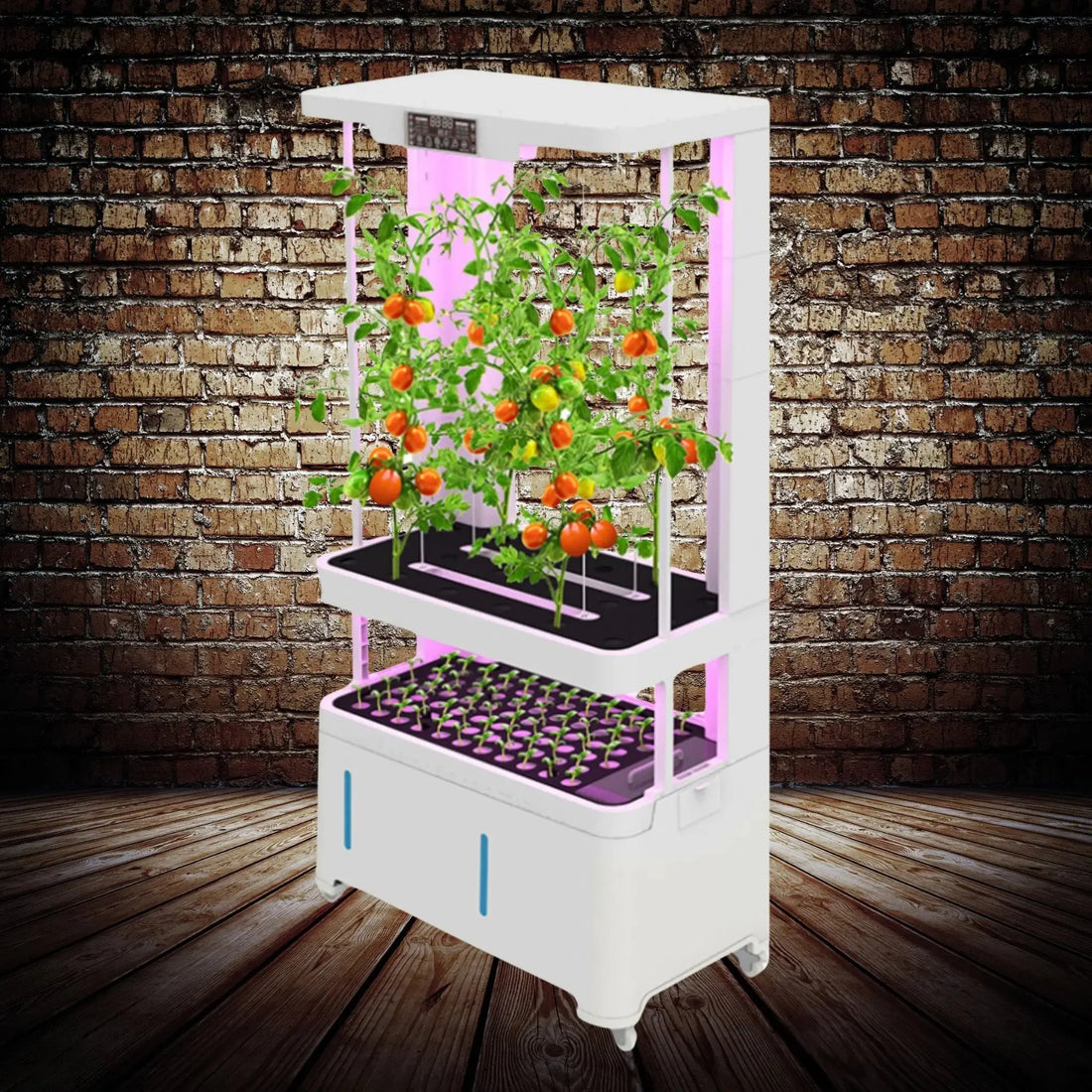

Hydroponic Plants: Cultivating Summer Squash for Optimal Growth
Summer Squash (Cucurbita pepo) is a fast-growing vegetable prized for its tender texture and mild flavor. Originating from the Americas, it thrives in controlled environments, making it an excellent candidate for hydroponic farming. Hydroponic plants like Summer Squash benefit from optimized nutrient absorption, space efficiency, and higher yields compared to traditional soil-based cultivation. Growers who enjoy compact cucurbits may also like our hydroponic cucamelon guide or our guide to growing cucumbers hydroponically. If you want a sweet fruiting crop to grow alongside your squash, our hydroponic strawberry growing guide walks through day-neutral cultivars.

Optimized Hydroponic Growing Conditions for Summer Squash
Optimal pH & EC Levels
Summer Squash thrives in a pH range of 6.0, slightly higher than previously suggested, ensuring efficient nutrient uptake and optimal root development. The recommended EC level is 1.8–2.4 mS/cm, providing balanced nutrient absorption to support vigorous vegetative growth and fruit production. Regular monitoring helps prevent deficiencies, ensuring consistent yields and enhanced crop quality.
Light, Temperature & Humidity Requirements
For optimal photosynthesis and fruit formation, Summer Squash requires 14–18 hours of full-spectrum LED lighting or exposure to natural sunlight. A stable temperature range between 21–27°C fosters strong stem development, large leaves, and robust flowering. Maintaining 60–75% relative humidity prevents moisture loss while minimizing disease risks. Implementing ventilation systems and automated humidity controls optimizes the environment, promoting healthier and more productive hydroponic plants.
Best Hydroponic Systems for Summer Squash
Summer Squash performs best in Deep Water Culture (DWC) and Dutch Buckets, both of which provide stable root support and efficient nutrient delivery. Nutrient Film Technique (NFT) and aeroponics are additional options, maximizing oxygen availability for stronger root systems and accelerated growth. Selecting the appropriate hydroponic system depends on space availability, nutrient delivery efficiency, and production goals.
Detailed Nutrient Formulation & Water Management
A properly balanced nutrient solution is essential for optimal Summer Squash growth, incorporating nitrogen, phosphorus, potassium, calcium, and magnesium to support leaf development, flowering, and fruit formation. Regular water circulation and oxygenation ensure nutrients remain accessible to the plant. Implementing pH monitoring and periodic reservoir maintenance prevents microbial contamination, ensuring consistent hydration and optimal nutrient uptake.
By applying precise hydroponic techniques, growers can maximize Summer Squash’s yield potential, nutritional quality, and sustainability benefits, ensuring strong, resilient plants in a controlled environment.
Optimized Cultivation Process for Summer Squash in Hydroponic Systems
Seed Germination & Early Growth
Summer Squash seeds should be planted one per hole, ensuring optimal root space and nutrient access. Under ideal conditions, seeds germinate within 7–10 days, provided they are maintained at a temperature range of 21–27°C (70–80°F) with adequate moisture levels. Hydroponic plants benefit from controlled environments, leading to higher germination rates and uniform seedling development compared to traditional soil-based cultivation.
Transplanting & Growth Cycle
Once seedlings reach 3–4 inches in height, they are ready for transplantation into hydroponic systems. This transition ensures efficient nutrient absorption and accelerated growth. Maturity after transplanting occurs within 50–70 days, depending on the variety. Hydroponic methods eliminate soil-related challenges, such as pest infestations and inconsistent nutrient availability, ensuring consistent yields and superior plant health.
Varietal Selection for Hydroponic Plants
Selecting the right variety is crucial for optimizing Summer Squash production. Popular hydroponic varieties include Zucchini, Pattypan Squash, and Yellow Crookneck Squash, all well-suited for controlled environments. Zucchini is favored for its high yield and adaptability, while Pattypan Squash offers unique shape and mild flavor, making it a culinary favorite. Yellow Crookneck Squash thrives in hydroponic systems due to its fast growth rate and disease resistance.
Uses and Benefits of Hydroponically Grown Summer Squash
Culinary Applications
Hydroponically grown Summer Squash is valued for its mild flavor and tender texture, making it a versatile ingredient in numerous dishes. It is frequently used in stir-fries, grilled preparations, and pasta dishes, where it absorbs seasonings and enhances the overall taste. Grilling amplifies its natural sweetness, pairing well with olive oil, garlic, and fresh herbs. Additionally, Summer Squash can be spiralized into vegetable noodles, offering a nutrient-dense alternative to traditional pasta. Its adaptability extends to soups, casseroles, and stuffed preparations, making it a staple in various cuisines.
Health Benefits
Rich in vitamin C, fiber, and antioxidants, Summer Squash supports gut health, immune function, and hydration. Vitamin C enhances collagen production, cellular repair, and immunity, while dietary fiber promotes digestive balance and microbiome health. Antioxidants like beta-carotene and lutein help combat oxidative stress, reducing the risk of chronic diseases and inflammation-related conditions. Additionally, its high water content contributes to proper hydration, ensuring optimal metabolic function.
Sustainability Advantages of Hydroponic Plants
Hydroponic cultivation of Summer Squash offers significant environmental benefits compared to traditional farming. Hydroponic systems reduce water consumption by up to 90%, making them highly efficient in resource conservation. Additionally, these systems eliminate soil-borne diseases, minimizing the need for chemical pesticides and ensuring cleaner, chemical-free produce. The controlled growing environment allows for consistent year-round production, optimizing yield while minimizing agricultural waste. By leveraging advanced hydroponic techniques, growers can achieve high-quality, eco-friendly crop production while reducing their ecological footprint.
Challenges and Solutions in Hydroponic Summer Squash Cultivation
Common Pests and Diseases Affecting Hydroponic Plants
While hydroponic plants eliminate many soil-borne pathogens, Summer Squash remains vulnerable to certain pests and diseases that can hinder growth and reduce yield. Powdery mildew, a fungal infection, thrives in humid environments and can spread rapidly, affecting leaf quality and overall plant health. Preventing this disease requires proper airflow, humidity regulation, and adequate spacing between plants to minimize moisture buildup.
Aphids and spider mites are common pests that feed on plant sap, weakening stems and leaves. These infestations can be managed using organic repellents, such as neem oil or insecticidal soap, which effectively disrupt their life cycle without harming beneficial organisms.
Root rot, a frequent issue in hydroponic systems, occurs due to overwatering and poor oxygenation. Ensuring proper aeration, maintaining optimal water temperature, and using oxygen-rich nutrient solutions helps prevent this condition, safeguarding root integrity.
Environmental Stress Solutions for Hydroponic Plants
Several environmental factors can impact plant health, leading to growth deficiencies:
- Light Management: Adjusting LED intensity and duration ensures optimal photosynthesis and prevents growth delays. Summer Squash benefits from 14–18 hours of full-spectrum lighting.
- Temperature Regulation: Maintaining a stable temperature range of 21–27°C with fans and climate control solutions prevents heat stress and supports vigorous development.
- Nutrient Monitoring: Balancing electrical conductivity (EC) levels between 1.8–2.4 mS/cm ensures proper nutrient absorption, improving yield consistency.
By integrating proactive pest control, environmental regulation, and nutrient optimization, growers can maximize hydroponic plant resilience and productivity, ensuring healthy, high-yield crops.
Can you grow zucchini hydroponically?
Yes. Zucchini is a summer squash, so the hydroponic squash advice on this page applies to it directly: hydroponic zucchini does best in Deep Water Culture or Dutch Buckets, under 14–18 hours of full-spectrum light at 21–27°C, and is usually ready to pick 50–70 days after transplanting.
Research for expert insights
|
Company Name |
Article Title |
Article Link |
|---|---|---|
|
Academia.edu |
Growth Dynamics and Water Potential Components of Three Summer Squash Cultivars |
|
|
South Elmonte Hydroponics |
Summer Squash Cultivation: The Best Way to Grow It Hydroponically |
|
|
IJFMR (International Journal of Future Management Research) |
A Study on Hydroponic Farming |
Get a fresh grow guide like this every fortnight
Join the LaNiTex Hydro Garden newsletter for practical hydroponic, microgreen and mushroom growing tips for Australian homes. Subscribe to download a free hydroponics starter guide (PDF) and get 10% off your first order.
Join the newsletter →