
Cabbage grows surprisingly well without soil, and a home hydroponic setup suits it right across Australia. Soil-free heads dodge cabbage-root maggot and clubroot, and you control the full growing window instead of the weather. Handy when winter drags or a summer heatwave rolls in.
A well-managed hydroponic setup lets you hold pH and EC steady and run the crop under LED lights, so heads keep forming through frost or a cool indoor run, provided you can keep the room inside cabbage's 15-25C window even when it is scorching outside. That climate-independence is the real draw. You can head up a compact cone-shaped variety on a Brisbane balcony while the shops charge premium prices.
Here is how to grow firm, sweet cabbage in a home hydroponic system, from variety choice to harvest.
Quick answer: Grow hydroponic cabbage at pH 5.5-6.5 (drifting to 6.5-7.0 at maturity), EC 0.6-1.0 mS/cm for seedlings rising to 2.5-3.0 mS/cm for mature heads, and 250-400 umol PPFD of light. Keep air and solution at 15-25C, pick compact varieties like Caraflex or Sugarloaf, and expect 80-100 days from seed to a firm head.
| Parameter | Target |
|---|---|
| pH (vegetative to heading) | 5.5-6.5, drifting to 6.5-7.0 |
| EC (seedling to mature) | 0.6-1.0 to 2.5-3.0 mS/cm |
| Light (PPFD) | 250-400 umol, 12-16 h/day |
| Air and solution temp | 15-25C |
| Seed to firm head | 80-100 days |
| Best varieties | Caraflex F1, Sugarloaf, Copenhagen Market |
What is cabbage?
Cabbage (Brassica oleracea var. capitata) is a cool-season brassica grown for its dense, leafy head. It sits in the same family as broccoli, cauliflower, bok choy, brussel sprouts and kohlrabi, so if you have grown any of those, you already know the basics. The same species also has a purely decorative form, grown for coloured winter rosettes. See our guide to growing ornamental kale in Australia. As Sustainable Gardening confirms, cabbages "prefer cool conditions" and grow best through the cooler months.
In most of Australia that means autumn to spring. In tropical and subtropical zones the season is shorter and cone-shaped types cope better with warmth. Hydroponics changes the maths a bit, because indoors you set the temperature. That is the whole point.
Setting up a hydroponic cabbage system
Cabbage grows in several hydroponic methods. Deep water culture (DWC), NFT channels, dutch buckets, kratky tubs and floating raft systems all work, though big head-forming brassicas prefer a system with room for a large root mass. Cabbage roots are hungry and thirsty, so root-zone oxygenation matters. Keep dissolved oxygen up with an air stone or a well-oxygenated DWC reservoir. Whatever system you pick, start seedlings in rockwool or coco plugs, then move them into net cups filled with clay pebbles (LECA) so the roots stay anchored and aerated.

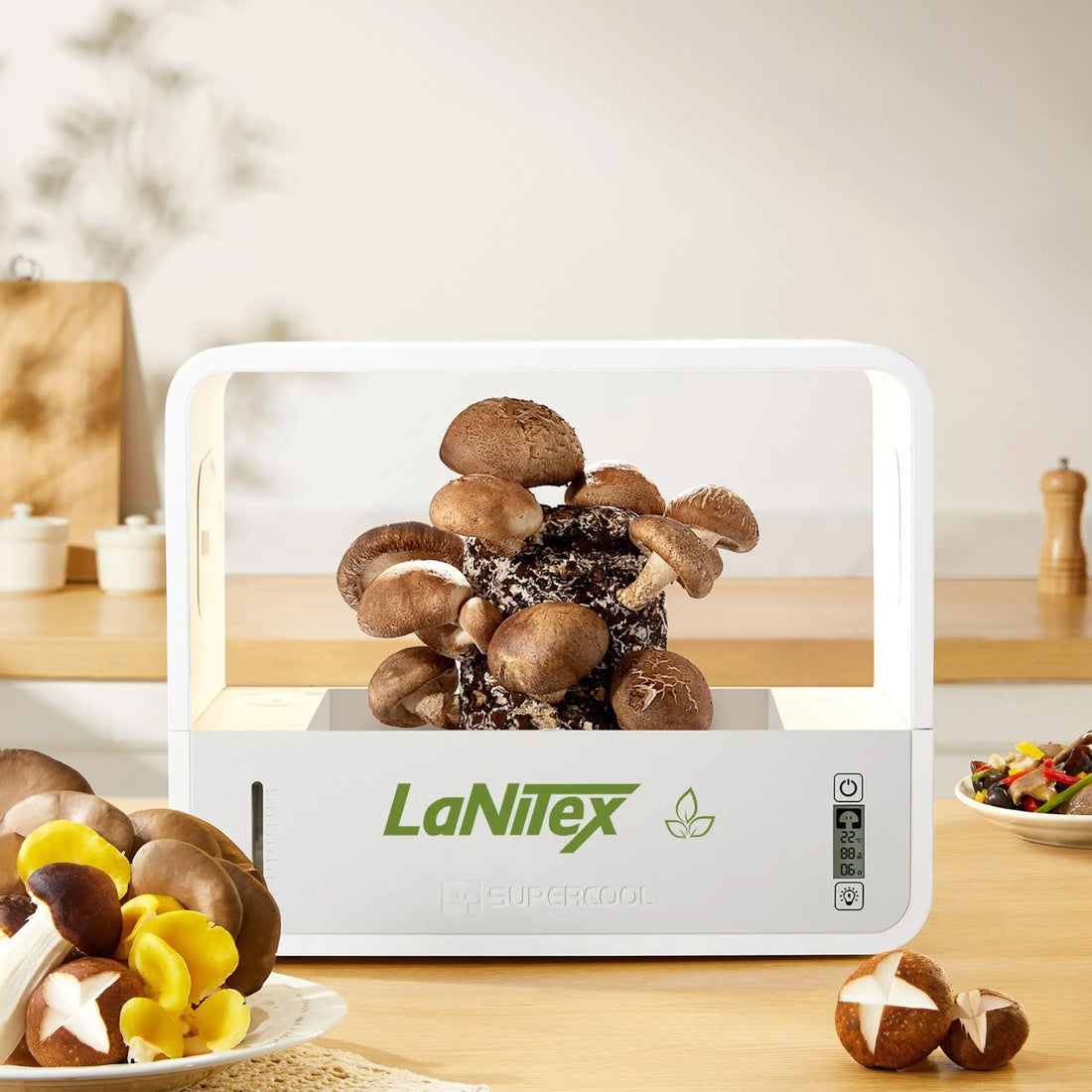
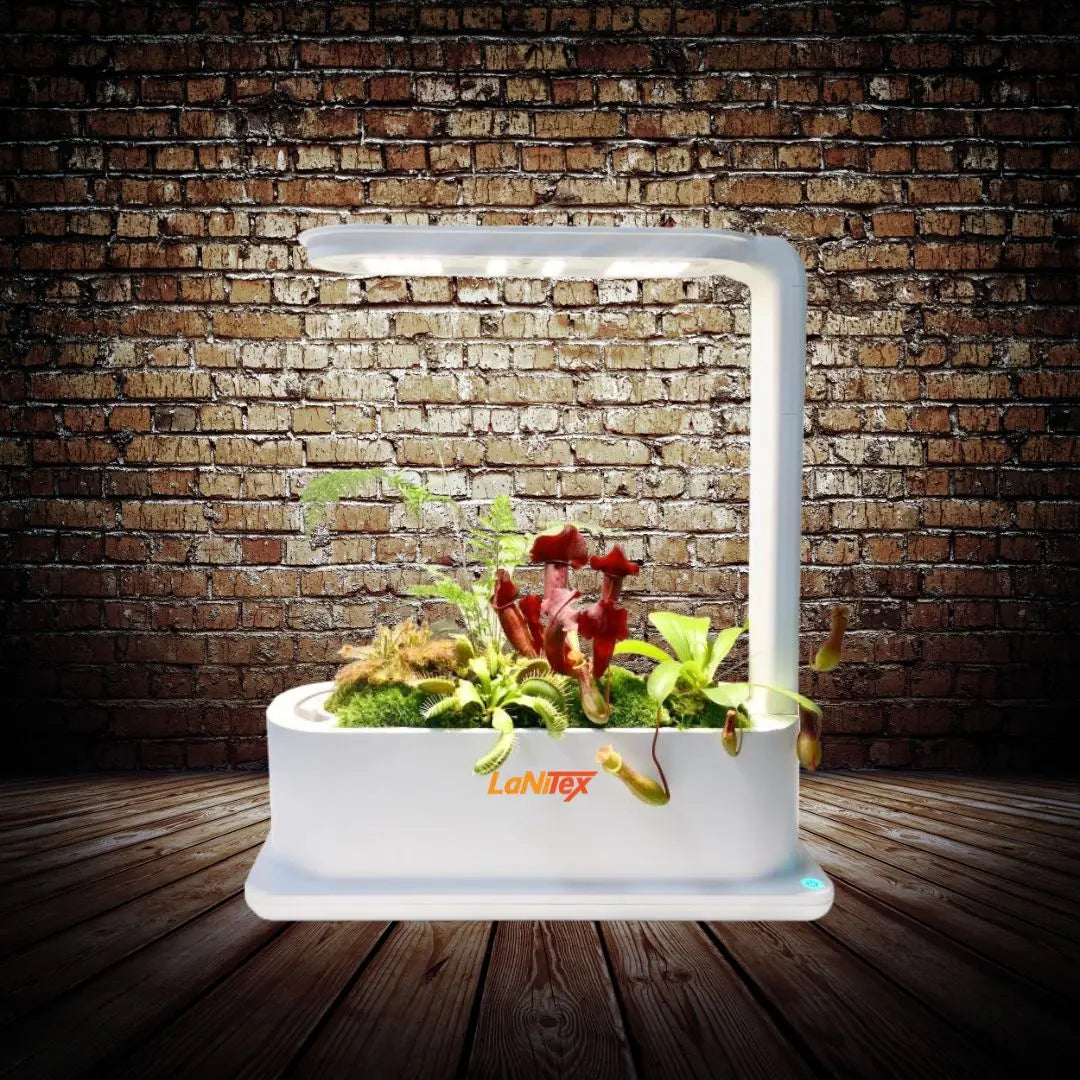
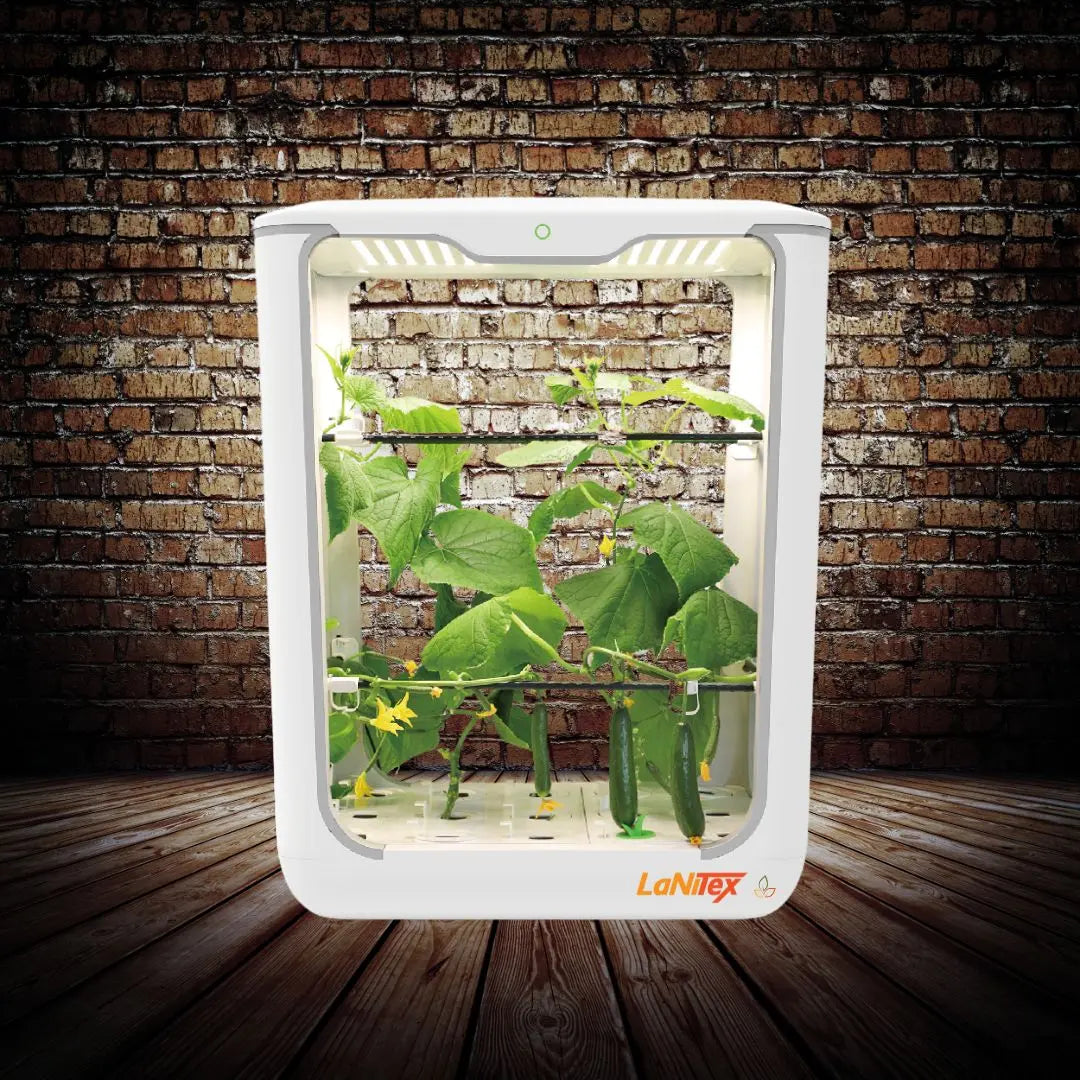
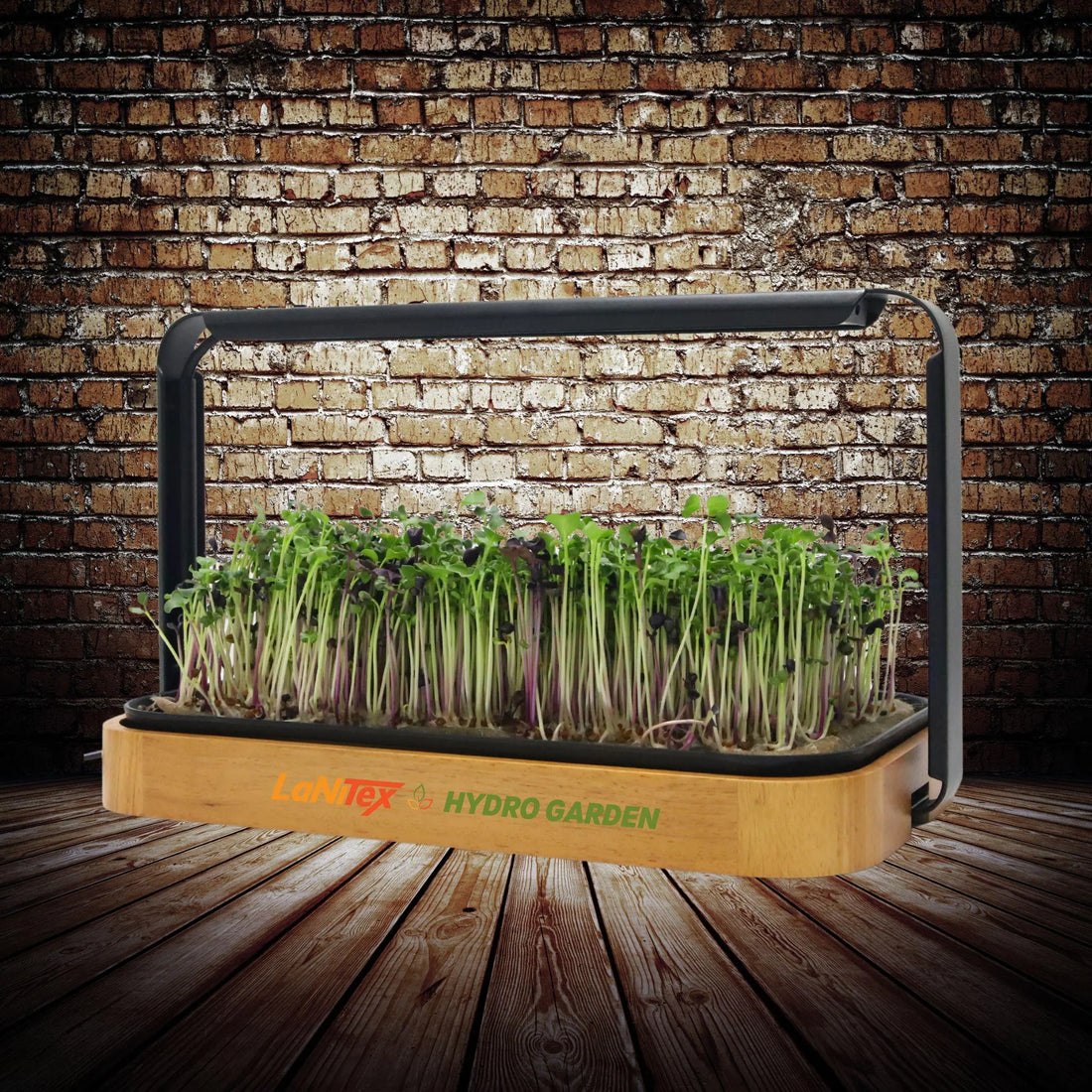
For a full-sized head at home, the Grow Box Tall is the pick. Its extra height and volume suit large head-forming brassicas that a shallow tray would starve. If you want something smaller for a compact cone variety, the Grow Box handles a couple of plants, and the taller V5.2-T automated NFT system suits growers short on floor space.

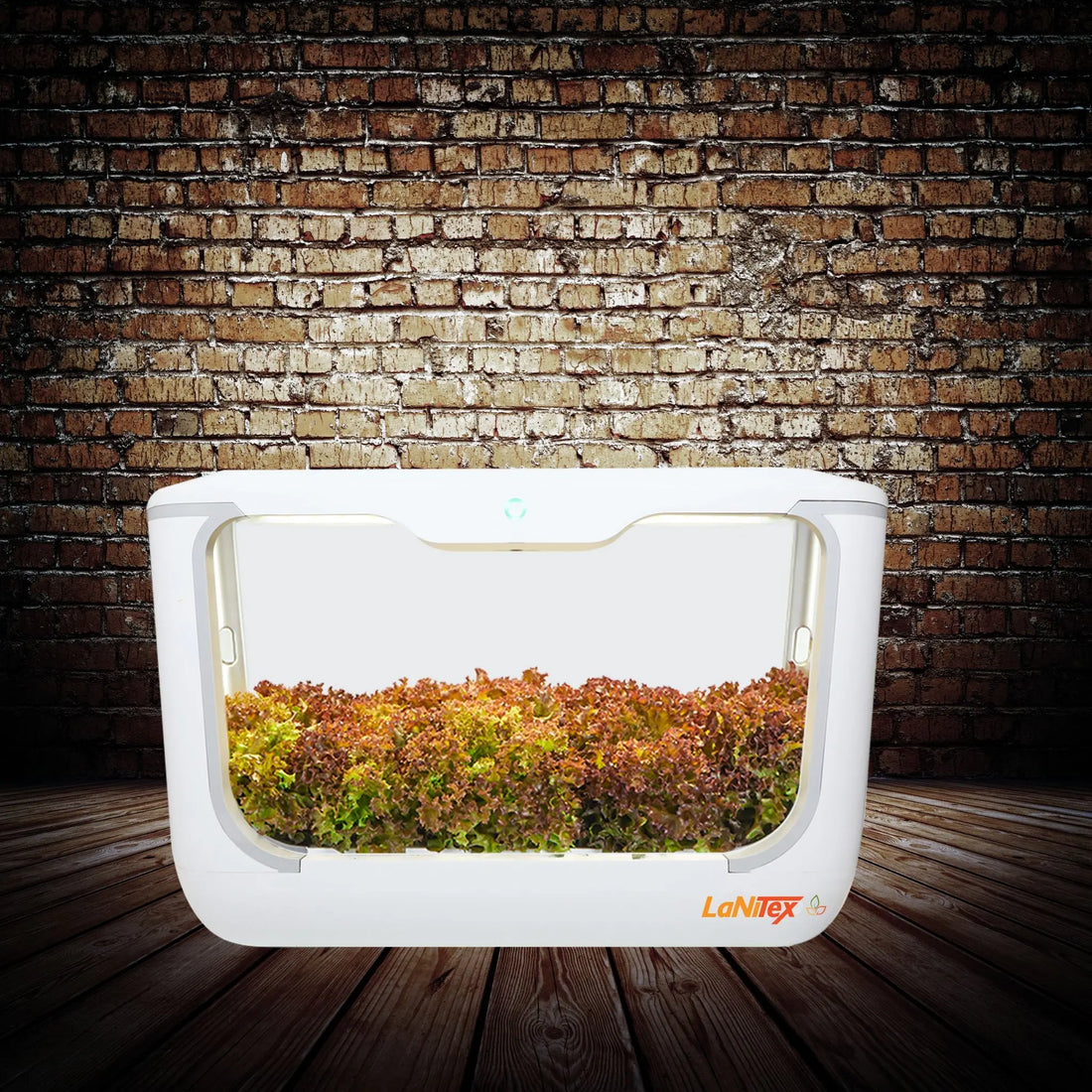
Grow compact cabbage varieties indoors, whatever the season. The Smart Grow Box holds the steady nutrients, full-spectrum light and cool root zone this brassica needs — you transplant the seedlings and keep the room within 15-25C.
Start your cabbage grow →Personally tested at home on the Sunshine Coast before listing.
Run pH at 5.5-6.5 through the vegetative stage; a peer-reviewed NFT study places mature cabbage at pH 6.6-7.0, so a slight upward drift near heading is fine. Start seedlings at a gentle EC of 0.6-1.0 mS/cm and build to 2.5-3.0 mS/cm as heads form. Give plants 250-400 umol of PPFD from your LED lights, and hold air and solution between 15-25C. Don't cook the roots. Warm solution above 25C strips oxygen and stalls growth.
What I've learned about growing cabbage from research
I haven't grown a full head-cabbage crop in my own hydroponic setup yet - cabbages are a long, cool-season brassica and my Sunshine Coast trials so far have focused on faster leafy crops. Everything in this guide reflects verified hydroponic research combined with hands-on experience running the same LaNiTex Grow Box and tower systems it recommends.
What the research makes clear is that cabbage is fussy about two things: steady cool temperatures and consistent nutrient strength. Get those right and the head-forming stage looks after itself.
Best cabbage varieties for hydroponics
Not every cabbage suits a home system. Big drumhead types need a lot of room, so lean towards compact, cone-shaped cultivars that head up fast.
- Caraflex F1 - a neat, cone-shaped hybrid with a small frame, ideal where space is tight.
- Sugarloaf - another cone-shaped type that heads about two months after transplant, per the AusVeg growing notes, and copes better with warmth than ballhead cabbages.
- Copenhagen Market - a compact heirloom that forms a round, dense head without sprawling, so it fits a modest system.
All three trade sheer size for speed and tidiness, which is exactly what you want indoors.
Seed to harvest and Australian timing
Cabbage seed germinates in 4-7 days in a warm propagation tray. Move seedlings to your system once they have four to six true leaves, usually 4-6 weeks after sowing. From there, most compact varieties reach a firm head at roughly 80-100 days from seed.
Timing depends on your climate zone. In tropical areas, sow through autumn and winter when the heat backs off. In subtropical zones like the Sunshine Coast, autumn and winter sowings ride the cool season into a clean harvest, and hot, humid summers are best avoided because they push cabbage to bolt. True cool-climate growers can stretch sowings into spring. Indoors the rules loosen, but cabbage still resents heat, so plan around a cool run.
Space plants generously - about 30-40 cm per plant in your channels or buckets - because crowding starves the heads and cramped roots never spread.
Common hydroponic cabbage problems
Most cabbage trouble traces back to swings in the root zone or the air.
- Tip burn - brown, crispy leaf edges, usually a calcium uptake problem. Steady the solution and keep humidity moderate.
- Bolting - the plant runs to flower instead of heading, triggered by heat or temperature stress. Keep things cool.
- Head splitting - a cracked head from a sudden water surge or uneven feeding. Keep watering and EC even, especially near harvest.
- Yellowing leaves - often a nitrogen shortfall or general deficiency. Check EC and top up your nutrient solution.
- Pests - growing indoors cuts pest pressure, but aphids and cabbage white butterfly can still find your plants. Check leaf undersides and pick them off by hand, or use a soft insecticidal soap spray.
Fix the cause, not the symptom. A stable, cool, well-fed system heads off nearly all of these.
Get a fresh grow guide like this every fortnight
Join the LaNiTex Hydro Garden newsletter for practical hydroponic, microgreen and mushroom growing tips for Australian homes. Subscribe to download a free hydroponics starter guide (PDF) and get 10% off your first order.
Join the newsletter →Harvest and storage
Cabbage is ready when the head feels firm and solid under a gentle squeeze. The AusVeg notes put it plainly: a cabbage "is mature when the head is firm to the touch." Don't wait for it to go rock-hard, or it may split.

Cut the head clean with a sharp knife. Leave the stalk and a few lower leaves in place and you will often get a bonus - small secondary heads that sprout for a second, smaller harvest. Cabbage keeps well through a cool chain - store it whole in the crisper drawer of the fridge, where a firm head holds for weeks. For longer storage, blanch shredded cabbage briefly and freeze it. Fair enough if you would rather just make coleslaw.

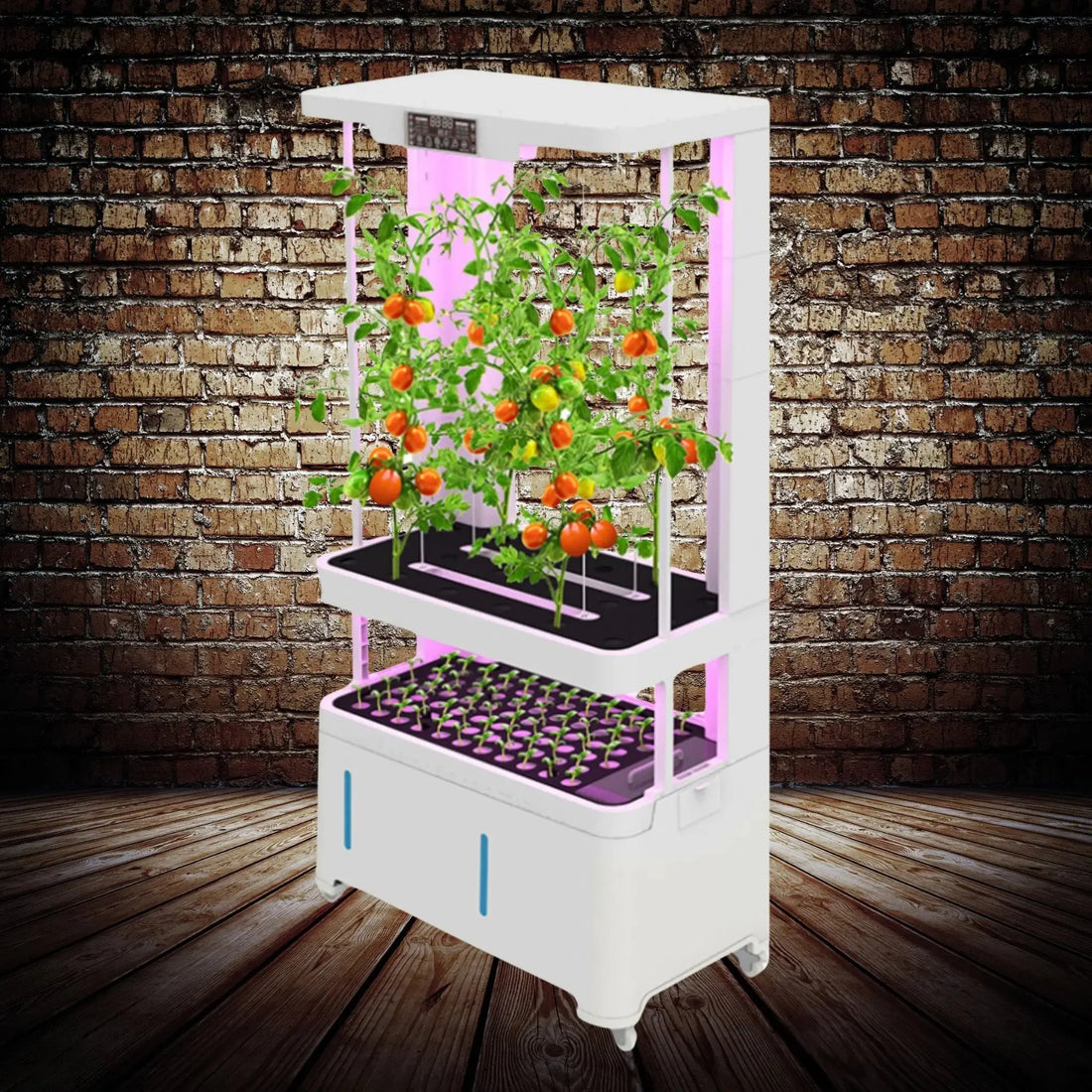
Growing more than a couple of heads? The V5.2-A Tower stacks up to 72 planting sites under full-spectrum LED with a self-watering tank, so you can scale a leafy cool-season crop without giving up the floor.
Scale up your grow →Personally tested at home on the Sunshine Coast before listing.
The full range
Find the system that fits your space


Supported in Australia - every model tested before listing.
Frequently asked questions
What EC and pH should I use for hydroponic cabbage in Australia?
Run pH at 5.5-6.5 during the vegetative stage and allow a drift to 6.5-7.0 as the head forms. Set EC low for seedlings, around 0.6-1.0 mS/cm, then build to 2.5-3.0 mS/cm for mature plants. A peer-reviewed NFT hydroponic study lists cabbage at pH 6.6-7.0 with EC 2.5-3.0, which matches these targets. Check both daily with a meter.
Which cabbage varieties grow best in hydroponics in Australia?
Compact, cone-shaped cultivars suit home hydroponics best. Caraflex F1 and Sugarloaf are both neat cone types that head quickly and cope with warmth better than big drumhead cabbages. Copenhagen Market, a compact heirloom, forms a tidy round head without sprawling. All three fit modest systems and mature faster than large ballhead varieties.
How long does hydroponic cabbage take to harvest from seed?
Expect roughly 80-100 days from seed to a firm head for compact varieties. Seed germinates in 4-7 days, seedlings transplant at 4-6 weeks, and heads firm up over the following weeks. Cooler, steady growing conditions produce the best heads, so patience through the cool season pays off. Warmer runs can rush the plant and cause loose heads.
Why are my hydroponic cabbage leaves turning yellow?
Yellowing cabbage leaves usually signal a nitrogen shortfall or a broader nutrient deficiency. Check your EC first. If it has dropped, the solution is too weak and needs topping up. Also confirm pH sits in range, because a pH outside 5.5-7.0 locks out nutrients even when they are present. Refresh the reservoir if the imbalance persists.
How cool should the temperature be for hydroponic cabbages in an Australian summer?
Aim to keep air and solution between 15-25C, even in summer. Cabbage is a cool-season crop and heat pushes it to bolt or form loose heads. Indoors, run air-conditioning or a cool room and keep the nutrient solution below 25C, since warm solution loses dissolved oxygen. If you cannot hold it cool, grow through the cooler months instead.
How many hours of light do hydroponic cabbages need indoors?
Give indoor cabbage 12-16 hours of light a day at 250-400 umol PPFD. LED grow lights let you hit that intensity without overheating the room, which matters for a cool-season crop. Long, bright days build the leafy frame the plant needs before it forms a head. Keep the lights a sensible distance off the canopy so leaves don't scorch.
What is the best hydroponic system for growing cabbage at home?
The best home system is one with enough root-zone volume and oxygen for a large brassica. Deep water culture, NFT and dutch buckets all work, but a taller unit like the Grow Box Tall suits full-sized heads because it gives the roots room to spread. For a compact cone variety, a smaller Grow Box or a vertical tower does the job in less space.
When is the best time to plant cabbage in Australia?
Cabbage is a cool-season crop, so plant for the cooler months. In tropical and subtropical zones, sow through autumn and winter. In subtropical areas like the Sunshine Coast, plant through autumn and winter, and true cool-climate growers can sow into spring. Indoors, a hydroponic system lets you start whenever you can hold 15-25C.
Sources
- Sustainable Gardening / SBS Food, "How to grow: Cabbages and kale" - cabbages "prefer cool conditions" and the season is "much shorter in tropical areas, restricted to late autumn to early spring." sbs.com.au
- AusVeg, "Cabbage growing" (Primefact 90) - "Sugarloaf produces heads about 2 months after transplanting" and a cabbage "is mature when the head is firm to the touch." ausveg.com.au
- Johnny's Selected Seeds, "Cabbage Key Growing Information" - "Cabbage prefers cooler growing temperatures, between 55-75F (13-24C)" and transplant "4-6 weeks after sowing." johnnyseeds.com
- JAICT, "Nutrient Film Technique (NFT) Hydroponic Monitoring System" - lists cabbage at pH "6.6-7.0" and EC "2.5-3.0" for the mature crop. jurnal.polines.ac.id
- Related LaNiTex guides: hydroponic broccoli, hydroponic cauliflower, hydroponic bok choy and collard greens. New to soil-free growing? Start with our hydroponic system essentials guide.
About the writer
Laszlo Bulatko founded LaNiTex Hydro Garden in December 2024 and runs it solo from the Sunshine Coast. Before hydroponics, he started his career at IBM and Diageo in Hungary, then spent 15 years in sales, marketing and brand development in the Hungarian fishing-tackle market, where his company reached a 12% market share. He tests every LaNiTex system at home before listing it, and while he hasn't yet grown a full head-cabbage crop personally, this guide pairs that hands-on hardware experience with verified hydroponic research. Read more on the about Laszlo page.
Last updated: 6 July 2026