
Most Australian gardeners fail at this crop for one reason: they treat a slow, cold-loving giant like a quick summer salad. Get the timing and the system right, and the wait pays off.
Quick answer: You can grow brussel sprouts hydroponically in Australia. Run pH 6.0 to 6.5, EC 1.8 to 2.5 mS/cm and 12 to 16 hours of light. A Dutch bucket or deep water culture setup suits full stalks best; a vertical tower is better for leaves and experimenting. Sprouts mature in 80 to 100 days.
Key takeaways:
- Brussel sprouts (Brassica oleracea var. gemmifera) are a cool-season brassica that needs 10 to 24 degrees Celsius and a long 80 to 100 day run.
- Hold pH 6.0 to 6.5 and EC 1.8 to 2.5 mS/cm, with calcium at 150 to 200 ppm to stop loose, tip-burnt sprouts.
- A Dutch bucket or DWC gives the root volume and stability a top-heavy stalk needs; towers do the leafy work well but yield less.
- On the Sunshine Coast and in Brisbane, sow in late summer so plants firm up as the cool weather arrives.
What makes brussel sprouts different to grow
Brussel sprouts are a cool-season brassica, and that single fact decides everything else. The plant is Brassica oleracea var. gemmifera, the same species as cabbage and broccoli, bred to form tight buds up a tall stem. It wants 10 to 24 degrees Celsius, plenty of light, and time. Can you grow brussel sprouts hydroponically? Yes, and the controlled root zone gives this hungry crop the steady nutrition it demands.
Here is the honest bit. This is not lettuce. A hydroponic lettuce is done in 25 to 35 days; a sprout stalk takes 80 to 100 days under lights, and Australian soil growers often wait 100 to 160 days. The trap is expecting fast results. For a quicker brassica win first, the broccoli guide and the kale guide are gentler starts.
Best hydroponic conditions for brussel sprouts
The target ranges for hydroponic brussel sprouts are pH 6.0 to 6.5, EC 1.8 to 2.5 mS/cm, and PPFD of 350 to 600 micromoles per square metre per second under 12 to 16 hours of full-spectrum LED, with the water at 10 to 24 degrees Celsius. Those numbers do most of the work. Hydroponics helps with a crop this fussy because you control the nutrient mix and the light instead of hoping the weather cooperates.
Nutrition is where sprouts get fussy. Aim for nitrogen around 200 to 250 ppm through leafy growth, potassium at 250 to 300 ppm as buds form, and calcium at 150 to 200 ppm throughout. That calcium line matters: low calcium is the usual cause of loose, tip-burnt sprouts, so a good nutrient schedule treats it as non-negotiable.
Managing EC and light through the seasons
Start seedlings near an EC of 2.0 mS/cm and hold the pH at 6.0 through establishment, then nudge EC up as the plant bulks. For light, a PPFD of 400 to 600 is the sweet spot indoors; below it the plant stretches and the sprouts stay small. New to dosing? The hydroponic system essentials guide covers EC meters, pH pens and reservoirs.
Get a fresh grow guide like this every fortnight
Join the LaNiTex Hydro Garden newsletter for practical hydroponic, microgreen and mushroom growing tips for Australian homes. Subscribe to download a free hydroponics starter guide (PDF) and get 10% off your first order.
Join the newsletter →What I've learned about growing brussel sprouts from research
I have not grown brussel sprouts myself yet, and I will be straight with you about that. At my setup on the Sunshine Coast, my crops so far have been fast ones: microgreens in under a week, lettuce at 25 to 35 days, plus capsicum and herbs year-round. A 100-day cool-season giant is a different beast, so I would rather share what the research says than pretend I have lived it.
The reading is consistent. Brassica oleracea gemmifera in hydroponics rewards patience, steady calcium, and cool timing far more than any gadget. Most hydroponic failures I read about trace back to warmth or impatience, not a bad rig. When I run a stalk, I will update this page with real numbers.
Which hydroponic system suits brussel sprouts best?
For a full stalk of sprouts, a Dutch bucket or deep water culture setup is the strongest choice, because a top-heavy plant needs both root volume and stability. That is the short verdict. The table sets out the honest trade-offs.
| System | Best for | Stability for tall stalks | Yield vs soil | Recommended |
|---|---|---|---|---|
| Dutch bucket | Full mature stalks | High (large media anchor) | Comparable | Yes, for stalks |
| Deep water culture (DWC) | Full stalks, big roots | Medium to high | Comparable | Yes, for stalks |
| NFT (nutrient film) | Smaller varieties, leaves | Low (needs staking) | Lower | Partial |
| Vertical tower | Leaves and experimenting | Low (top-heavy risk) | Lower | Leaves only |
A Dutch bucket gives each plant its own reservoir and a heavy base a swaying stalk can lean on. A deep water culture rig does similar, with roots in oxygenated water. An ebb and flow setup, or a compact variety like Jade Cross in an NFT channel, can work too - just stake them.
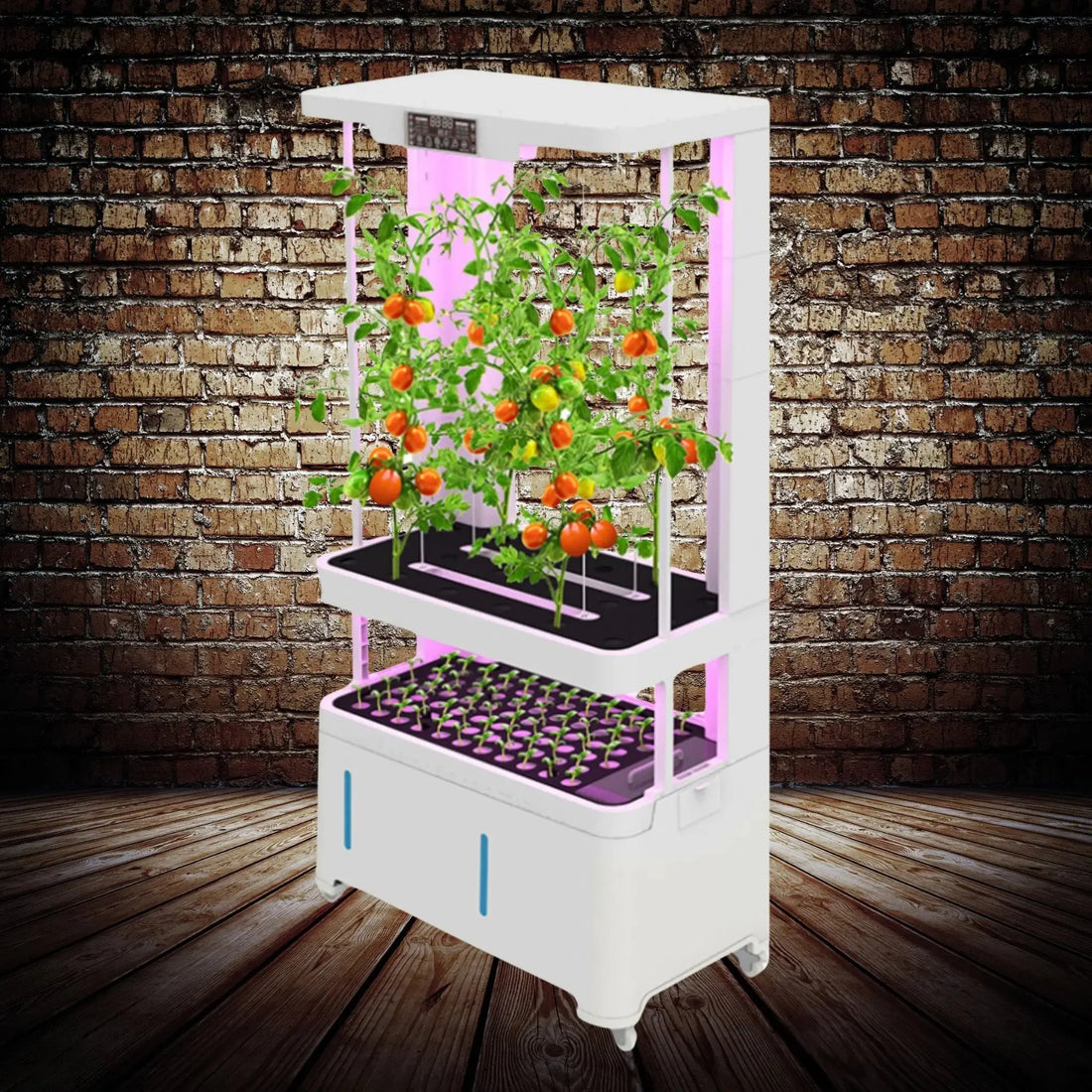
Towers are the honest case. One aeroponic tower vendor openly states the crop gives "much lower crop yield than when grown in the soil," and puts these big plants on the lowest tower sections so the heavy roots flood the reservoir. On our Smart Indoor Hydroponic Tower V5.2-A (72 plant sites, full-spectrum LED, tested at home before it went into the catalogue), I would grow sprouts for the leaves and the learning, not a full stalk. Fair point: for a first sprout, a bucket is the safer bet.

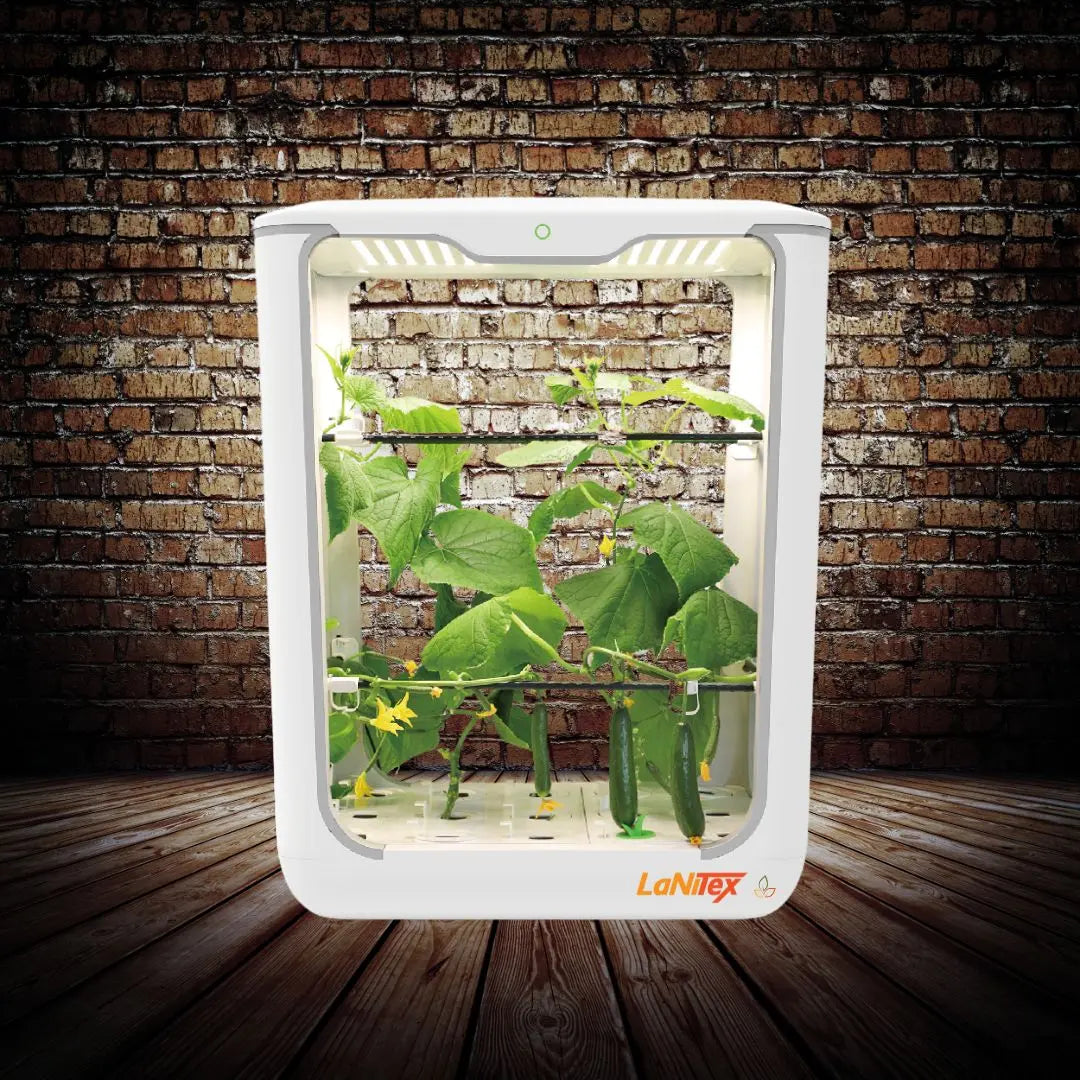
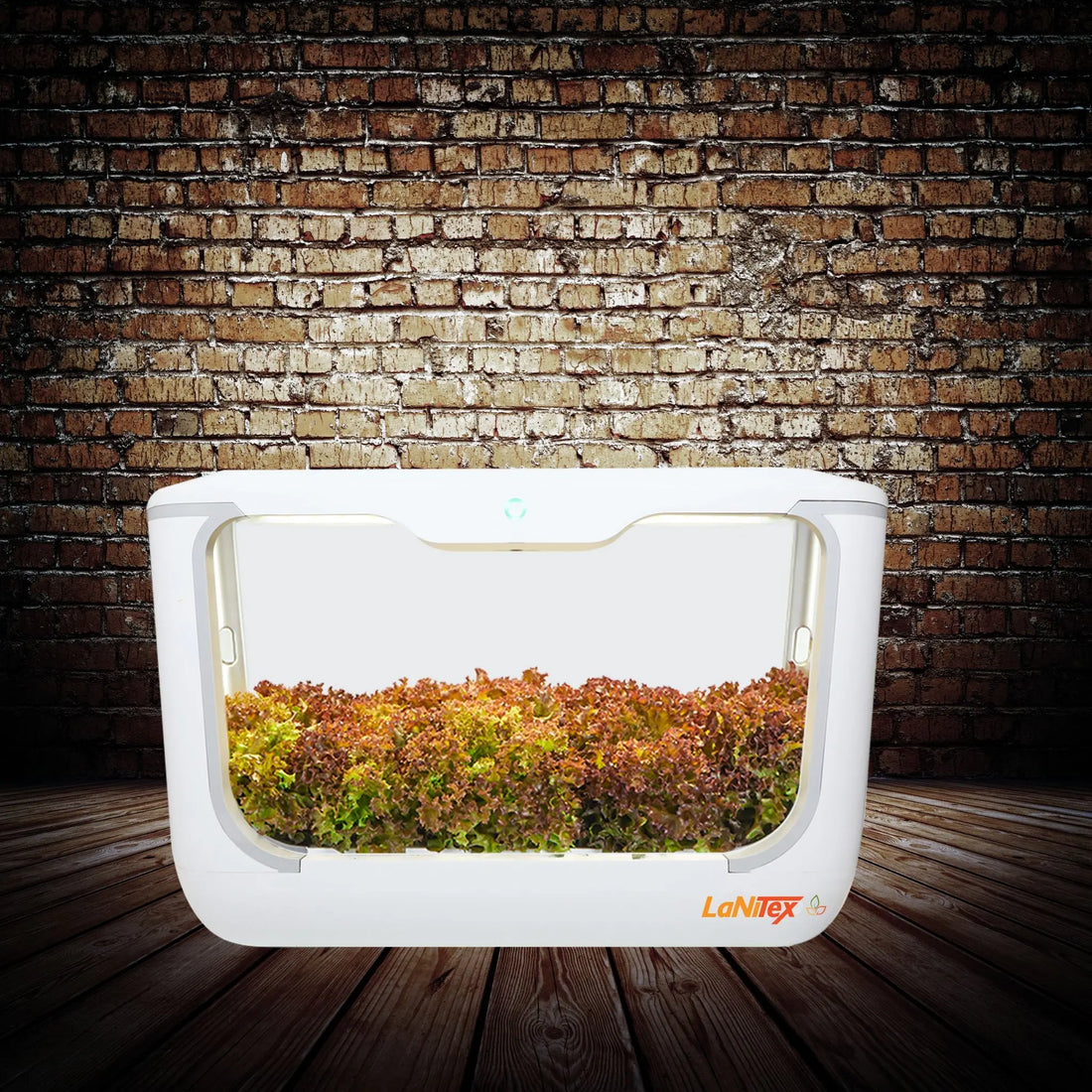
Raise your brussel sprout seedlings and grow them for the tender leaves indoors, any season. The Grow Box keeps nutrients and full-spectrum light steady — the cool, controlled conditions this brassica prefers. Full stalks still want a deep bucket.
Start growing brussel sprouts →Personally tested at home on the Sunshine Coast before listing.
Growing brussel sprouts in the Australian climate
Growing brussel sprouts in Australia comes down to timing, because the plant genuinely needs cold. As ABC Gardening Australia puts it, "Brussels sprouts like cold winters," and advises you "plant brussels sprouts in early summer, before the end of December" so plants establish before cool weather (Gardening Australia). Sprouts then form bottom-up through late autumn and early winter, and a touch of frost sweetens them.
On the Sunshine Coast and in Brisbane, that is the real challenge: our winters are mild, so you manage expectations as much as plants. Indoors under lights you sidestep the subtropical heat, which is where hydroponics earns its keep here. For varieties, Long Island Improved is the reliable heirloom, Diablo F1 is one Australian growers rate for uniform sprouts, and Jade Cross is a compact hybrid for tighter systems. All three handle indoor conditions here well.
Pests, stability and harvesting your sprouts
The brussels sprouts how to grow question always ends at pests and support. Brassicas attract cabbage moth (Plutella xylostella) and cabbage white butterfly (Pieris rapae), whose larvae shred leaves. Do not wait until they are everywhere. Hand-remove eggs, run exclusion netting or 30 per cent shadecloth, or spray Dipel fortnightly.
Stability is the other job. These plants grow tall and top-heavy, so stake the stem early and remove the lowest leaves. Topping off, snipping the growing tip about three weeks before harvest, redirects energy into larger side sprouts. Pick from the bottom up once each sprout reaches walnut size, as Gardening Australia advises.


Want to grow the leaves and more greens at once? The V5.2-A Tower stacks up to 72 planting sites under full-spectrum LED with a self-watering tank — room to experiment with brassicas alongside your everyday salad crops.
Scale up your grow →Personally tested at home on the Sunshine Coast before listing.
The full range
Find the system that fits your space


Supported in Australia - every model tested before listing.
Frequently asked questions
What is the best hydroponic system for growing brussel sprouts in Australia?
A Dutch bucket or deep water culture system is best for full stalks, because both give the large root volume and stability a tall, top-heavy plant needs. Towers and NFT channels suit leaves or compact varieties but yield less and need staking.
What EC and pH should I use for hydroponic brussel sprouts?
Hold pH between 6.0 and 6.5 and EC between 1.8 and 2.5 mS/cm. Start seedlings near the middle of the EC range and lift toward 2.5 as the plant bulks up. Keep calcium at 150 to 200 ppm to prevent loose sprouts.
How much light (PPFD and hours) do hydroponic brussel sprouts need indoors?
Give hydroponic brussel sprouts a PPFD of 350 to 600 micromoles per square metre per second, with 400 to 600 as the practical target, under 12 to 16 hours of full-spectrum LED daily. Less light stretches the plant and shrinks the sprouts.
How long do hydroponic brussel sprouts take to harvest in Australian conditions?
Hydroponic brussel sprouts take about 80 to 100 days from transplant to first harvest indoors. Australian soil crops often run 100 to 160 days. Sprouts form bottom-up, so you pick over several weeks rather than all at once.
Which brussel sprout varieties grow best in hydroponics in Australia?
Long Island Improved is the reliable heirloom, Diablo F1 is prized for uniform sprouts, and Jade Cross is a compact hybrid that suits smaller systems. All three handle indoor hydroponic conditions in Australia well.
Can I grow brussel sprouts hydroponically in summer in Australia or only in winter?
Brussel sprouts need cool conditions, so outdoors they are a winter crop timed from a late-summer sowing. Indoors under lights and with a cooled reservoir you can grow them at other times, though Sunshine Coast and Brisbane summers make winter the easier season.
Why are my hydroponic brussel sprouts not forming sprouts?
The usual causes are too much warmth, too little light, or excess nitrogen late in the cycle keeping the plant leafy. Check that temperatures sit at 10 to 24 degrees Celsius, PPFD is above 350, and you have shifted toward potassium as buds should form.
How do brussel sprouts grow on the plant?
Brussel sprouts grow as tight buds in the leaf joints of a single tall stalk, not as one head. They form from the bottom up over about 80 to 100 days, so you harvest a few at a time as each firms up. In hydroponics a Dutch bucket or deep water culture rig anchors that top-heavy stalk best.
When should I plant brussel sprouts in Australia?
In most Australian regions you sow brussel sprouts from late summer into early autumn, so plants firm up through the cool winter they need. In genuinely cold-winter districts some growers start earlier, from early summer, for a longer season. Indoors under lights with a cooled reservoir you have more flexibility on timing.
How do I start brussel sprouts from seed for hydroponics?
Start brussel sprouts from seed in a rockwool cube or germinating plug, kept moist at about 18 to 22 degrees Celsius until they sprout in one to two weeks. Move each seedling into your system once it has four to six true leaves. Australian seed suppliers include The Seed Collection, Eden Seeds and Mr Fothergill's.
About the writer
Laszlo Bulatko founded LaNiTex Hydro Garden in December 2024 and runs it solo from Sippy Downs on the Sunshine Coast. Before hydroponics, he spent 15 years in sales and brand development in the Hungarian fishing-tackle trade. He now tests indoor growing gear at home before listing it, and runs the Term-Grow program placing grow boxes in Queensland primary school classrooms. Read more on his founder page.
Grown sprouts indoors on the Sunshine Coast or in Brisbane? Tell us what system worked.
Sources
- ABC Gardening Australia magazine, Phil Dudman (2024): "Brussels sprouts like cold winters" and "Plant brussels sprouts in early summer, before the end of December." gardeningaustraliamag.com.au
- Journal of Horticultural Science (2017), a University of Tabriz and Shahed University hydroponic study, found that "selenium significantly increased leaf, stem and root dry weight, leaf number and leaf area." jhs.um.ac.ir
Last updated: 3 July 2026