
How to Grow Marjoram Hydroponically in Australia
Marjoram is one of the easiest gourmet herbs to grow hydroponically, and an indoor system lets Australian home growers pick sweet, aromatic leaves all year. This guide covers the pH, nutrient strength, lighting and timing that keep sweet marjoram productive indoors, from the Sunshine Coast to Brisbane apartments.
Growing marjoram indoors in hydroponics gives you two things the garden can't: control and consistency. With the roots fed a steady nutrient solution and the pH held in the 6.0 to 7.0 range, plants stay productive through every Queensland season. We've tested this setup at our Sunshine Coast facility, and hydroponic marjoram reaches a first cut in about six to eight weeks, then keeps giving for months of repeat harvests.
Here's how to dial in the system, pick the right variety, and keep your plants healthy from seedling to harvest.
Fresh marjoram bruised between your fingers smells of pine, citrus and sweet oregano at once - a fragrance the dried supermarket jar loses within weeks of packing. Grow it indoors and that aroma is never more than a snip away.
Quick answer: Grow marjoram hydroponically by holding the nutrient solution at pH 6.0 to 7.0 and an EC of 1.6 to 2.3 mS/cm, with grow lights running 14 to 16 hours a day and air around 18 to 25 degrees C. Expect your first harvest in six to eight weeks.
At a glance:
- pH: 6.0 to 7.0
- EC (nutrient strength): 1.6 to 2.3 mS/cm
- Light: 14 to 16 hours a day, PPFD 200 to 400 umol/m2/s
- Air temperature: 18 to 25 degrees C (root zone 18 to 22 degrees C)
- First harvest: 6 to 8 weeks from seed
Sweet marjoram and how it differs from oregano

Sweet marjoram (Origanum majorana) is a tender perennial in the mint family, closely related to oregano but milder and sweeter. You'll see it sold as sweet marjoram, knotted marjoram (named for the knot-like flower buds) and French marjoram. All three suit hydroponics.
Marjoram and oregano are easy to confuse, and the difference matters when you grow them. Oregano is tougher, spreads aggressively and pushes hard for nutrients, so it can bully a shared reservoir. Marjoram grows in neater, compact mounds and stays productive on a leaner feed, which is why the EC range below sits lower than a heavy feeder would want. In flavour, oregano is sharp and peppery; marjoram leans floral, with that pine-and-citrus sweetness. If you share a system, pair marjoram with oregano rather than a thirsty leafy crop - both are Mediterranean herbs that like the same airy root zone and moderate nutrient strength.

Getting your hydroponic marjoram thriving: pH, EC and light
The reason hydroponic marjoram outperforms a pot on the windowsill comes down to three dials you control precisely: pH, nutrient strength and light.
Marjoram in hydroponics likes a nutrient solution held at pH 6.0 to 7.0. Older notes sometimes quote 5.5 to 6.5, but in recirculating systems that lower band tends to lock out calcium and magnesium and leave leaf tips pale. The 6.0 to 7.0 range keeps the full menu of nutrients available. Check it every couple of days with a calibrated pen.
For nutrient strength, aim for an EC of 1.6 to 2.3 mS/cm. Start seedlings around 1.6 and lift the feed as the plant fills out. Push past 2.3 and you risk salt stress, which shows up as crisp, browning leaf margins.
Light is the third lever. Marjoram wants a bright spot: a PPFD of roughly 200 to 400 umol/m2/s at the canopy, from grow lights running 14 to 16 hours a day. That long photoperiod drives compact, leafy growth rather than a leggy, stretched plant. Keep the air between 18 and 25 degrees C and the root zone cooler, around 18 to 22 degrees C, to keep the roots white and healthy.
My experience growing marjoram on the Sunshine Coast
If you ask my wife, marjoram is the unsung herb in our house - right up there with basil and mint, and it's earned a permanent spot in our indoor system. Most people only ever meet the dried, supermarket version, which, let's be honest, often tastes closer to sawdust than a real herb. But pinch a few fresh leaves straight off the plant for a Friday dinner or a slow-cooked ragu, and that sweet, pine-and-citrus aroma is in a league of its own. Grown indoors in hydroponics, it stays far lusher and more aromatic than it ever would out in the harsh Australian sun.
That flavour is the whole reason I keep marjoram running year-round here on the Coast. It also taught me that the growing method matters as much as the herb, which brings us to the Australian climate side of things.
Growing marjoram indoors in the Australian climate
Marjoram is a warm-season herb. Grown outdoors in Queensland it sulks through a wet, humid summer and slows over a cool winter. Indoors under hydroponics, none of that applies - you set the climate, so you grow the same quality in July as in January.
From seed, expect a slow start. Germination takes one to two weeks, and the seedlings are tiny. Many growers raise them in rockwool or a starter plug, then transplant to net cups once two or three sets of true leaves appear. Through the vegetative stage the plant bushes out; pinch the growing tips early and often to push side shoots and stop it running to flower. You'll take a first harvest around six to eight weeks from sowing, then keep cutting every couple of weeks as it regrows.
For an apartment grower, this year-round rhythm is the payoff. A compact hydroponic herb garden on a balcony or benchtop gives a renter in a Brisbane unit the same fresh supply as a Sunshine Coast grower with a spare room.
Choosing the right hydroponic system for marjoram
Marjoram is compact and undemanding. Skip the soil, and most home hydroponic methods do the job well. Here's how they stack up.
- Deep water culture (DWC): roots sit in oxygenated nutrient water. Simple, cheap and forgiving, which makes deep water culture marjoram a good first project, as long as an air stone keeps running.
- Nutrient film technique (NFT): a thin film of solution flows past the roots in a channel. An NFT system suits herbs like marjoram and oregano well and scales to a row of plants.
- Drip systems: precise, feeding each plant individually. Great once you're running several crops.
- Aeroponics: roots misted in air. Highest performance, but more kit and upkeep than marjoram needs.
- Kratky (passive): no pumps at all. Fine for a single marjoram plant on a windowsill, though you'll watch top-ups and algae.
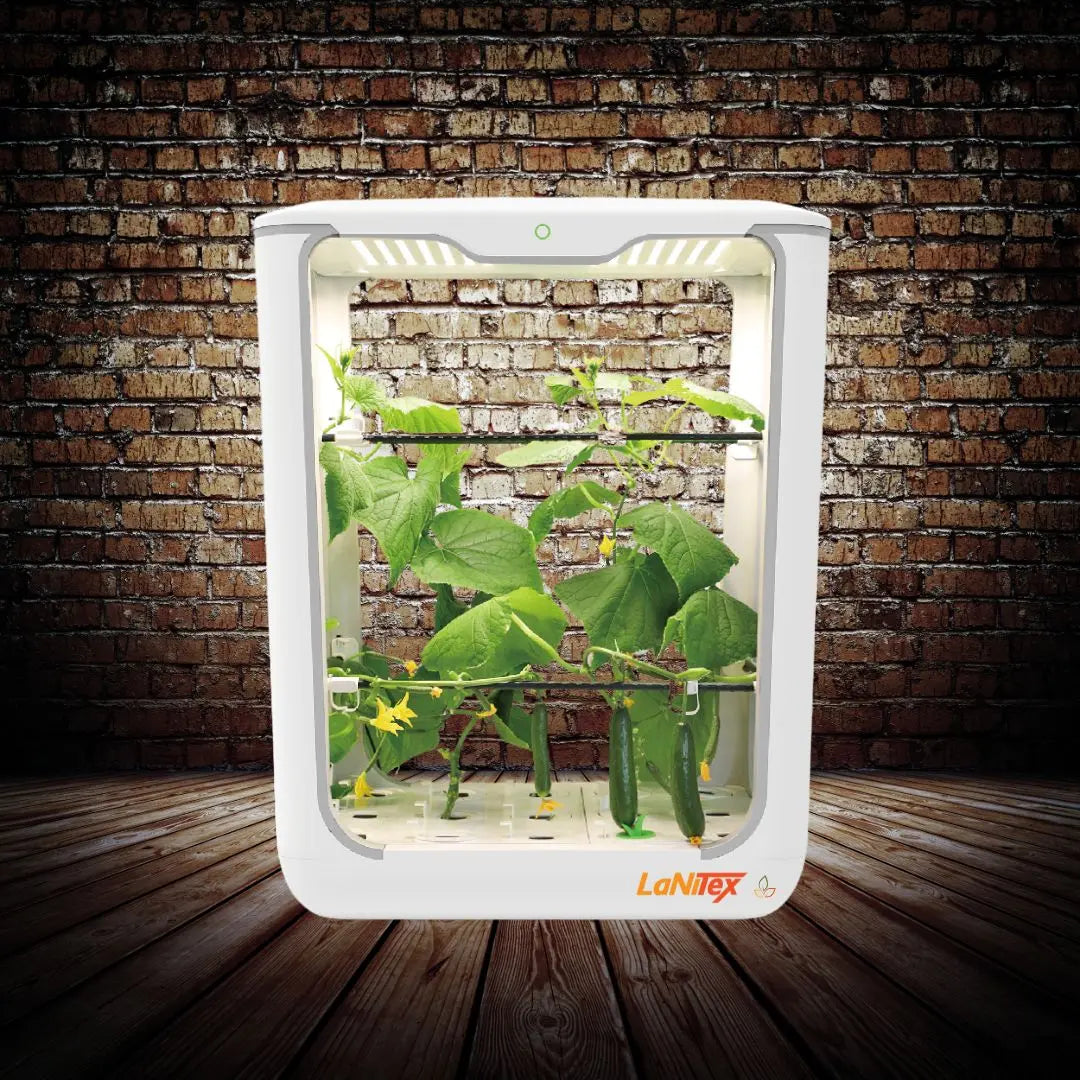
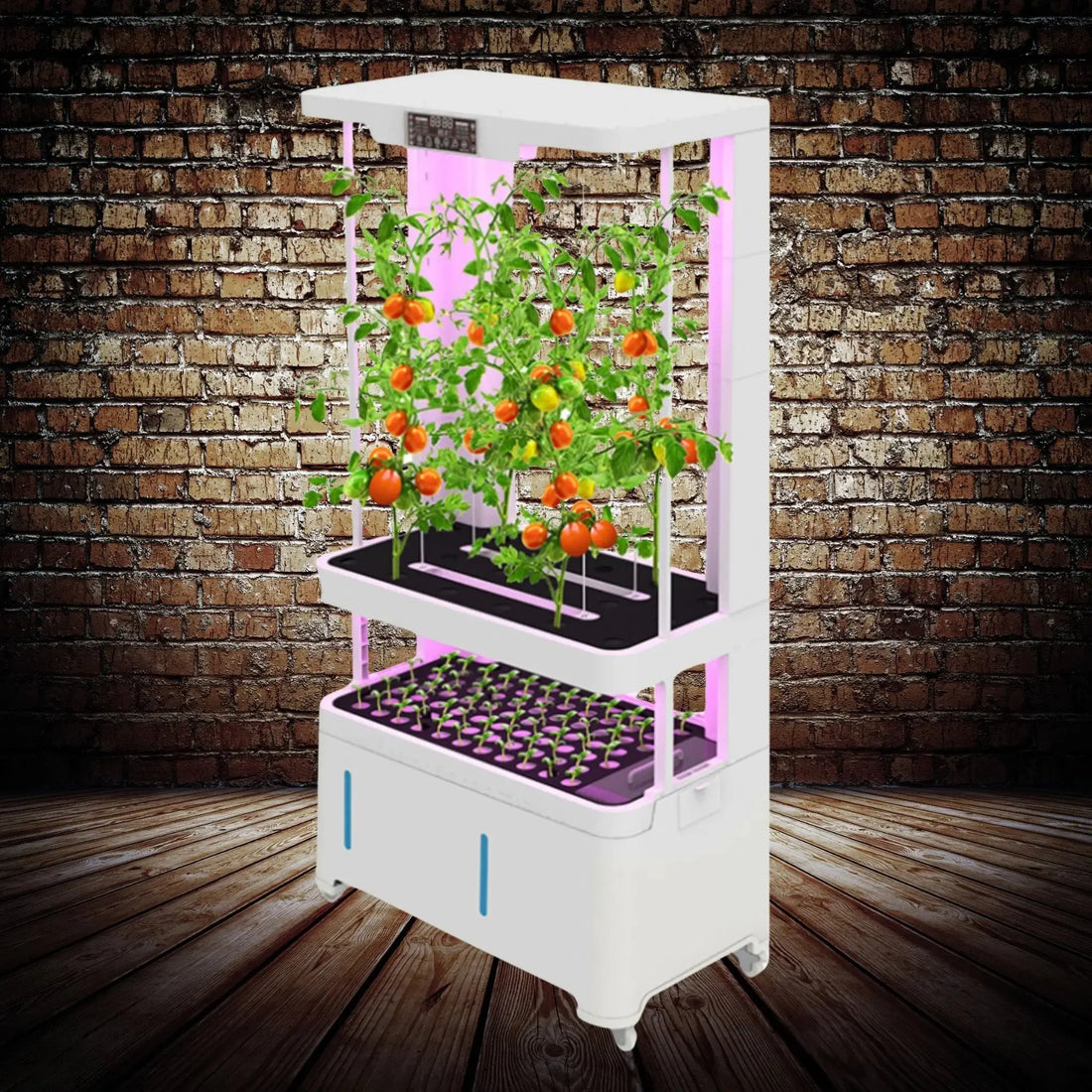
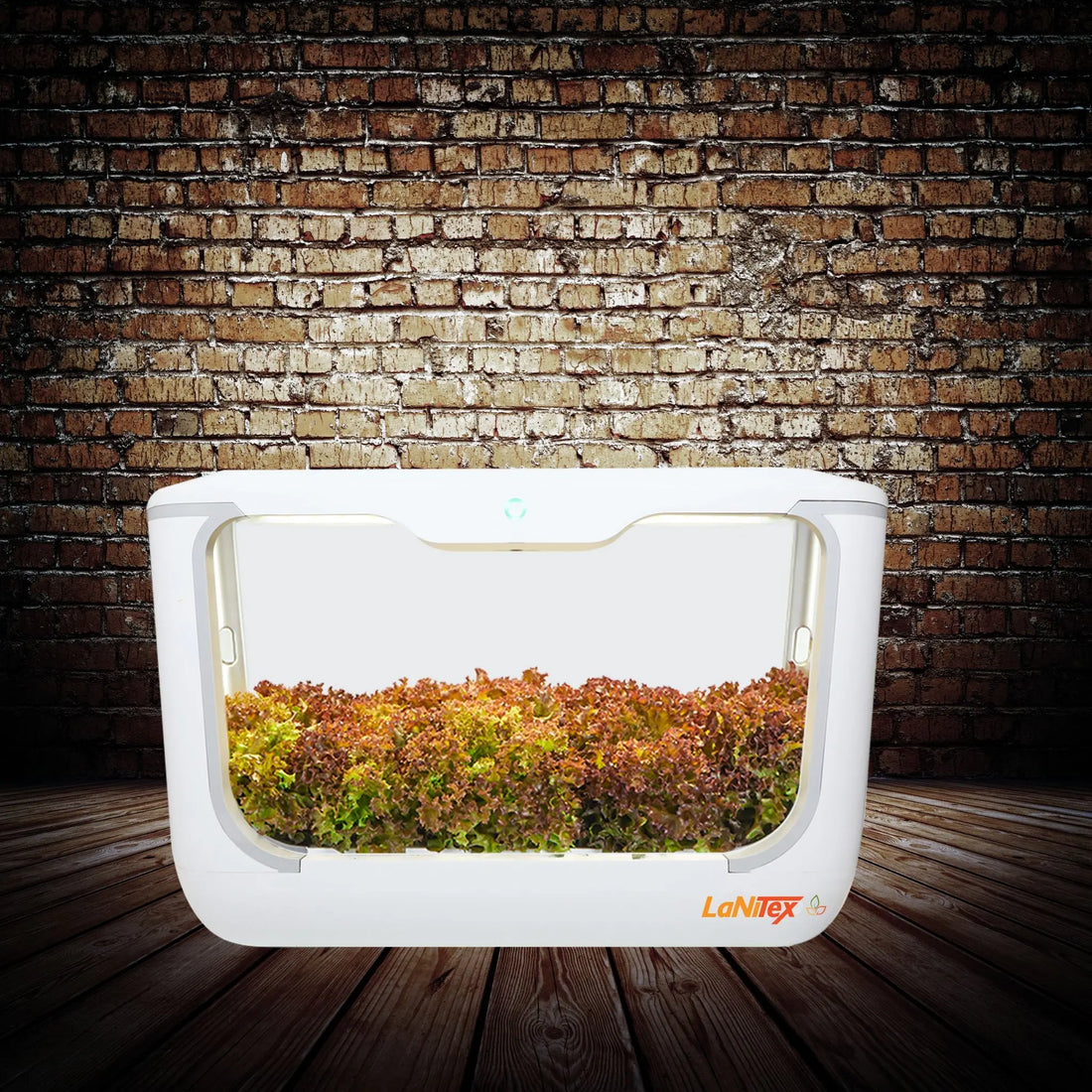
For most people I point to a self-contained grow box, because it takes the guesswork out of pH, feeding and light. The Smart Grow Box Tall is the one I grow my own marjoram in. If you only want a single plant, the Desktop 3-Pod Grow Box — a compact indoor herb garden — is a tidy starter, and the standard Smart Grow Box sits in between.

Fresh marjoram within reach in about six to eight weeks - the self-watering tank and full-spectrum lights handle pH, feeding and light. You just snip and cook.
Start your indoor herb garden →Personally tested at home on the Sunshine Coast before listing.
Common marjoram problems and how to avoid them
Most marjoram trouble is avoidable if you catch it early. Don't wait for a plant to collapse before you act - that's where most people go wrong.
- Pythium root rot: slimy, browning roots and a wilting plant, usually from warm, low-oxygen water. Keep the reservoir cool and well aerated, and don't let the solution stagnate.
- Aphids: small sap-suckers that cluster on new growth. Rinse them off and follow up with insecticidal soap; a sticky trap helps you spot them early.
- Spider mites: they thrive in hot, dry air and leave fine webbing under the leaves. Lift the humidity a little and hose them off before they build up.
Prevention beats treatment with all three. Good airflow, a clean reservoir and a room that isn't too warm or too humid head off most problems before they start. A common mistake is overfeeding in the hope of faster growth. Marjoram on too strong a solution browns at the edges and turns bitter. When in doubt, feed leaner.
Harvesting and drying marjoram

Start harvesting once plants are 10 to 15 cm tall, snipping stems just above a leaf node so the plant branches and regrows. Cut in the morning, when the essential oils - and so the flavour - are at their peak. Never strip more than about a third at once, or you'll stall its recovery.
Handle the cut stems gently and don't wash them until you're ready to use them, since bruised, wet leaves lose their oils fastest. Fresh marjoram keeps for a week or so wrapped loosely in the fridge. To store it longer, dry it: hang small bundles somewhere warm, dark and airy, or use a dehydrator on a low setting. Gentle drying preserves the aromatic oils; high heat drives them off and leaves you with the flat, sawdust flavour of the shop-bought jar. Once brittle, strip the leaves into an airtight container away from light. That's it.

Ready to grow more than herbs? The V5.2-A tower scales up to a full indoor harvest of leafy greens and vegetables from one compact footprint.
Grow your own greens →Personally tested at home on the Sunshine Coast before listing.
The full range
Find the system that fits your space


Supported in Australia - every model tested before listing.
Frequently asked questions
What EC and pH should I use for hydroponic marjoram in Australia?
Hold the nutrient solution at pH 6.0 to 7.0 and an EC of 1.6 to 2.3 mS/cm. Start seedlings near EC 1.6 and raise the strength as the plant matures. This range keeps calcium and magnesium available and avoids the salt stress that browns leaf edges. Check both every two to three days.
How many hours of light does hydroponic marjoram need indoors?
Marjoram does best with 14 to 16 hours of light a day at a PPFD of about 200 to 400 umol/m2/s at the canopy. That long photoperiod drives compact, leafy growth. A timer keeps it consistent - marjoram won't thrive on a short, dim day length indoors.
Can I grow marjoram and dill together in the same hydroponic system?
It's not ideal. Dill grows tall and fast and prefers a stronger feed, while marjoram is compact and likes a leaner solution around EC 1.6 to 2.3. Sharing one reservoir means one herb is always compromised. Marjoram pairs far better with oregano, basil or thyme. The same steady, well-drained setup suits growing hydroponic rosemary, its fellow woody Mediterranean herb.
Which hydroponic system is best for growing marjoram at home?
For most home growers, a self-contained grow box or a small deep water culture setup is the easiest route, because both hold pH and feeding steady with little fuss. NFT and drip systems work well once you're growing several plants. Aeroponics performs brilliantly but is more maintenance than marjoram needs.
How long does hydroponic marjoram take to harvest from seed?
Expect your first proper harvest six to eight weeks from sowing. Seeds germinate in one to two weeks, then the plant spends a few weeks bushing out. Pinching the tips early encourages side shoots. After that first cut, marjoram regrows for repeat harvests over several months.
Why is my hydroponic marjoram growing slowly or staying small?
The usual causes are too little light, a reservoir that's too warm, or a nutrient solution that's out of range. Give it 14 to 16 hours of bright light, keep the air at 18 to 25 degrees C, and check that EC sits at 1.6 to 2.3 with pH at 6.0 to 7.0. It's almost always one of these three.
What temperature and humidity are ideal for marjoram in an indoor hydro setup?
Aim for an air temperature of 18 to 25 degrees C, with the root zone slightly cooler at 18 to 22 degrees C. Moderate humidity of around 40 to 60 percent suits it well. Too much warmth and stale, humid air invite root rot and pests, so keep a little air moving.
What is marjoram, and what is it used for?
Marjoram (Origanum majorana) is a sweet, aromatic Mediterranean herb in the mint family - milder and more floral than its close relative oregano. Fresh or dried, it seasons soups, roasts, stuffings, tomato dishes and herb blends. Grown indoors hydroponically, it stays tender and fragrant for cooking all year round.
About the writer
Laszlo Bulatko founded LaNiTex Hydro Garden in December 2024, based on the Sunshine Coast, Queensland. Before hydroponics he spent 15 years in sales, marketing and brand development in the Hungarian fishing-tackle trade, after starting his career at IBM and Diageo, and helped build a 12 per cent market share. Today he hand-picks and tests every hydroponic system at home before listing it, and runs the Term-Grow Enrolment program placing grow boxes in Queensland primary-school classrooms.
Get a fresh grow guide like this every fortnight
Join the LaNiTex Hydro Garden newsletter for practical hydroponic, microgreen and mushroom growing tips for Australian homes. Subscribe to download a free hydroponics starter guide (PDF) and get 10% off your first order.
Join the newsletter →Sources
- MDPI, Agronomy 2020, 10(11), 1769 - "Indoor Farming Marjoram Production: Quality, Resource Efficiency, and Potential of Application" - https://www.mdpi.com/2073-4395/10/11/1769
- Springer, Acta Physiologiae Plantarum - "Salt effects on the growth, mineral nutrition, essential oil yield and composition of marjoram (Origanum majorana)" - https://link.springer.com/article/10.1007/s11738-009-0374-4