
Oregano is one of the easiest Mediterranean herbs to grow hydroponically, and it suits an indoor Australian kitchen better than most. This herb is drought-tolerant by nature, so clean roots and steady water indoors keep it cropping through winter, long after a garden bed has given up.
Growing hydroponic oregano indoors hands you control of the two things that set its flavour: pH and nutrient strength. Hold the water at pH 6.0 to 6.8 and an EC of 1.5 to 2.0 mS/cm and the leaves come in dense and aromatic. On our own bench on the Sunshine Coast, that setup gave oregano a punch no supermarket packet could match.
Here is how to set up, plant and harvest oregano hydroponically at home, starting with the herb itself.
Quick answer: Grow oregano hydroponically by rooting seedlings or cuttings in a net pot, holding the nutrient solution at pH 6.0 to 6.8 and EC 1.5 to 2.0 mS/cm, and running 12 to 16 hours of light at 200 to 400 umol/m2/s PPFD. Keep the room at 18 to 22 degrees C and start harvesting from about week four.
What is oregano?
Oregano (Origanum vulgare) is a perennial herb in the mint family, native to the Mediterranean and western Asia. The Royal Horticultural Society describes it plainly: "This sun-loving Mediterranean herb is easy to grow, compact and drought tolerant." Those three traits are exactly why it suits a controlled indoor system.
Not all oregano tastes the same. Greek oregano (Origanum vulgare subsp. hirtum) carries the sharp, peppery punch most people picture on a pizza, and it is the variety worth chasing for a hydroponic system. Italian oregano cultivars, often a milder oregano-marjoram cross, grow well too and give a gentler, sweeter leaf.
The plant's biology explains its hydroponic habits. In the wild, oregano roots run wide and shallow through dry, rocky ground, which is the source of its drought tolerance. In soilless culture that same root architecture means it hates stagnant, airless water. Give the roots oxygen and let the media dry slightly between cycles, and the plant stays healthy.
Setting up your hydroponic oregano system
A reliable oregano setup comes down to four numbers. Get these right and the rest is maintenance.
- pH 6.0 to 6.8: this range keeps nitrogen, calcium and iron available for uptake. Oregano is forgiving, but drift above 7.0 and you will see pale new growth.
- EC 1.5 to 2.0 mS/cm: a moderate nutrient strength for a herb. Push it much higher and the leaves grow soft and lose aroma; too low and growth stalls.
- PPFD 200 to 400 umol/m2/s: aim for the middle of this band under 12 to 16 hours of light a day. This is the light level indoor oregano needs to grow compact instead of stretched.
- Temperature 18 to 22 degrees C: a comfortable room range for a Mediterranean herb, easy to hold indoors on the Sunshine Coast or in a Brisbane apartment.
Use a balanced organic hydroponic nutrient made for leafy herbs, not a fruiting formula: oregano wants steady nitrogen for leaves, not a bloom booster. Check pH twice a week and top up the reservoir with plain water as the level drops, since evaporation concentrates the salts and nudges EC upward.
My experience growing oregano on the Sunshine Coast
I still remember setting up one of my first indoor grow boxes - once I'd dialled in the LED spectrum and the pH, I started testing just how much flavour I could coax out of a humble oregano plant. The result floored me: an aroma and taste so intense that the shop-bought herbs sealed in plastic could never match it. Ever since, I've known that real culinary flavour begins the moment a fresh herb is raised not out in the garden, but right there on the kitchen bench, in an automated system.
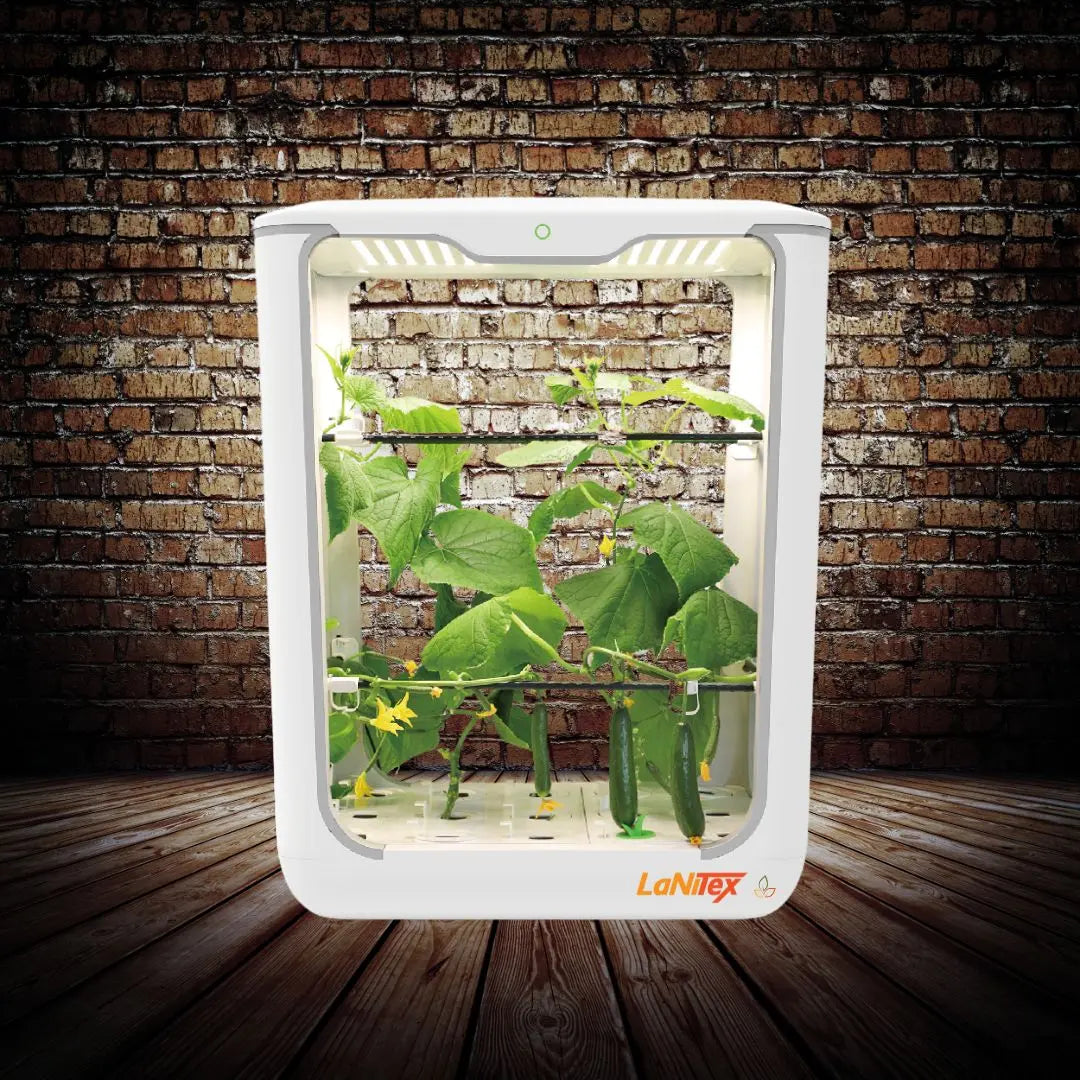
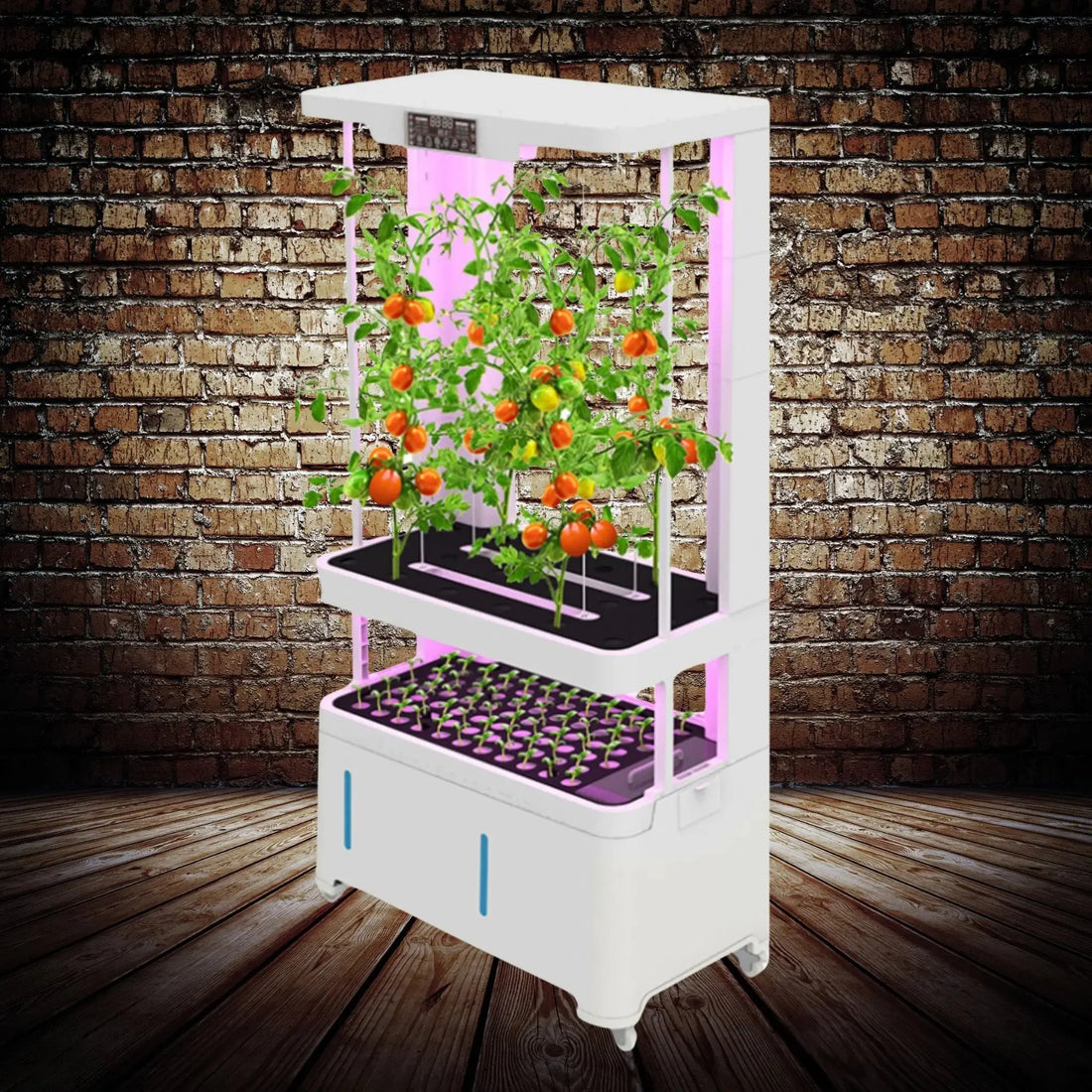
That is why the Grow Box Tall version earns its place in my kitchen: it gives oregano root depth and a full-spectrum LED overhead, so the flavour I chase is repeatable. If you have grown basil or mint indoors, oregano will feel familiar, just more forgiving about water.
Get a fresh grow guide like this every fortnight
Join the LaNiTex Hydro Garden newsletter for practical hydroponic, microgreen and mushroom growing tips for Australian homes. Subscribe to download a free hydroponics starter guide (PDF) and get 10% off your first order.
Join the newsletter →Which hydroponic system suits oregano?
Oregano is not fussy about which hydroponic method you use, but each system changes how much attention it needs. If the setup terms below are new to you, our guide to hydroponic system essentials walks through how each method works.
- Kratky: a passive, no-pump jar or tub where the water level drops as the plant drinks. A Kratky oregano setup in an Australian kitchen is the cheapest way to start for a single plant, though you top up and reset it by hand.
- Deep water culture (DWC): roots sit in aerated nutrient solution fed by an air pump. Oregano loves the oxygen, and a DWC herb garden running oregano, basil and parsley together is a productive little bench system.
- Nutrient film technique (NFT): a thin film of solution flows past the roots in a channel. It is efficient and clean, and a Greek oregano hydroponic NFT system scales well for rows of plants, but the pump must not fail for long.
- Ebb and flow: the tray floods and drains on a timer, giving roots a wet-then-airy cycle that oregano's drought-tolerant roots genuinely enjoy.
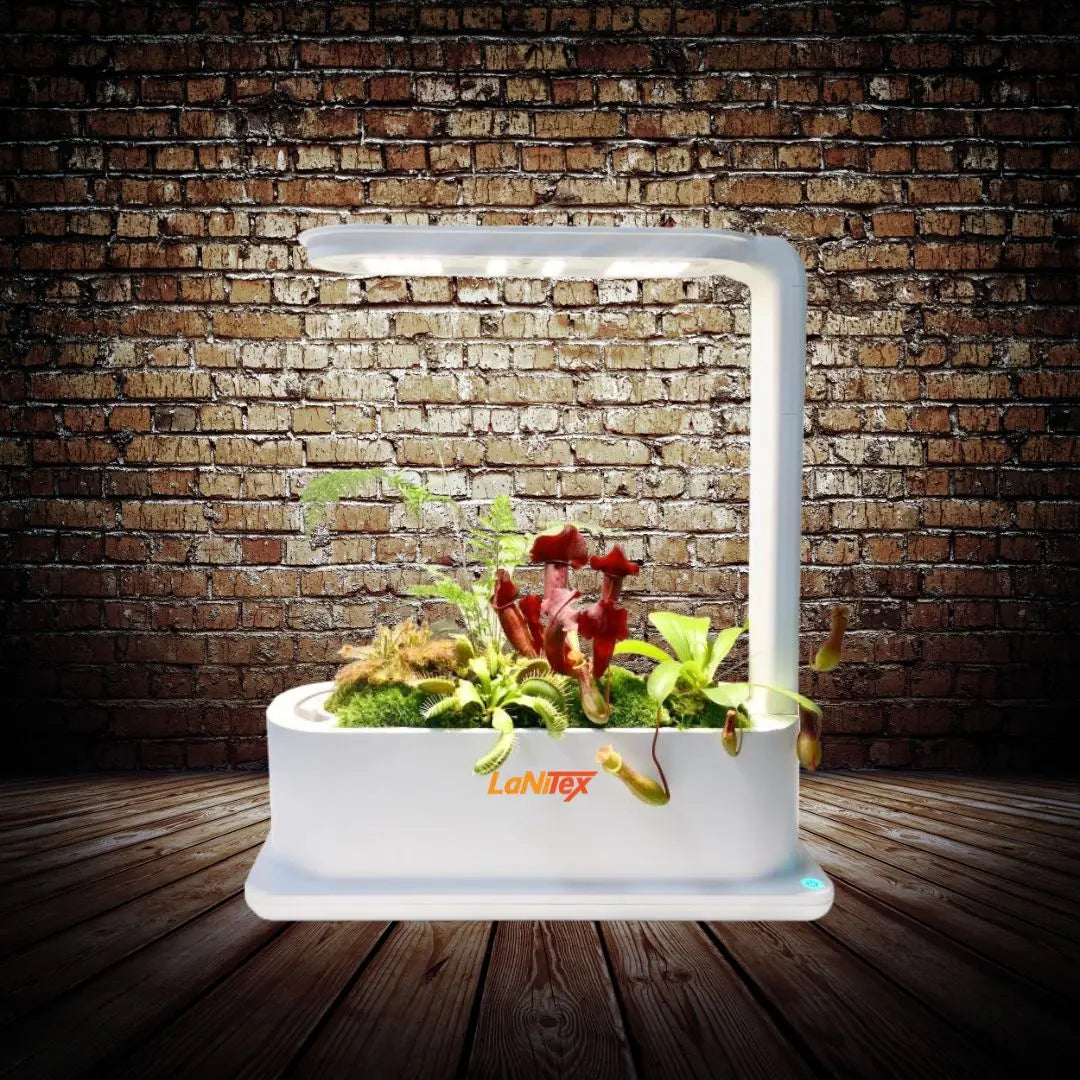
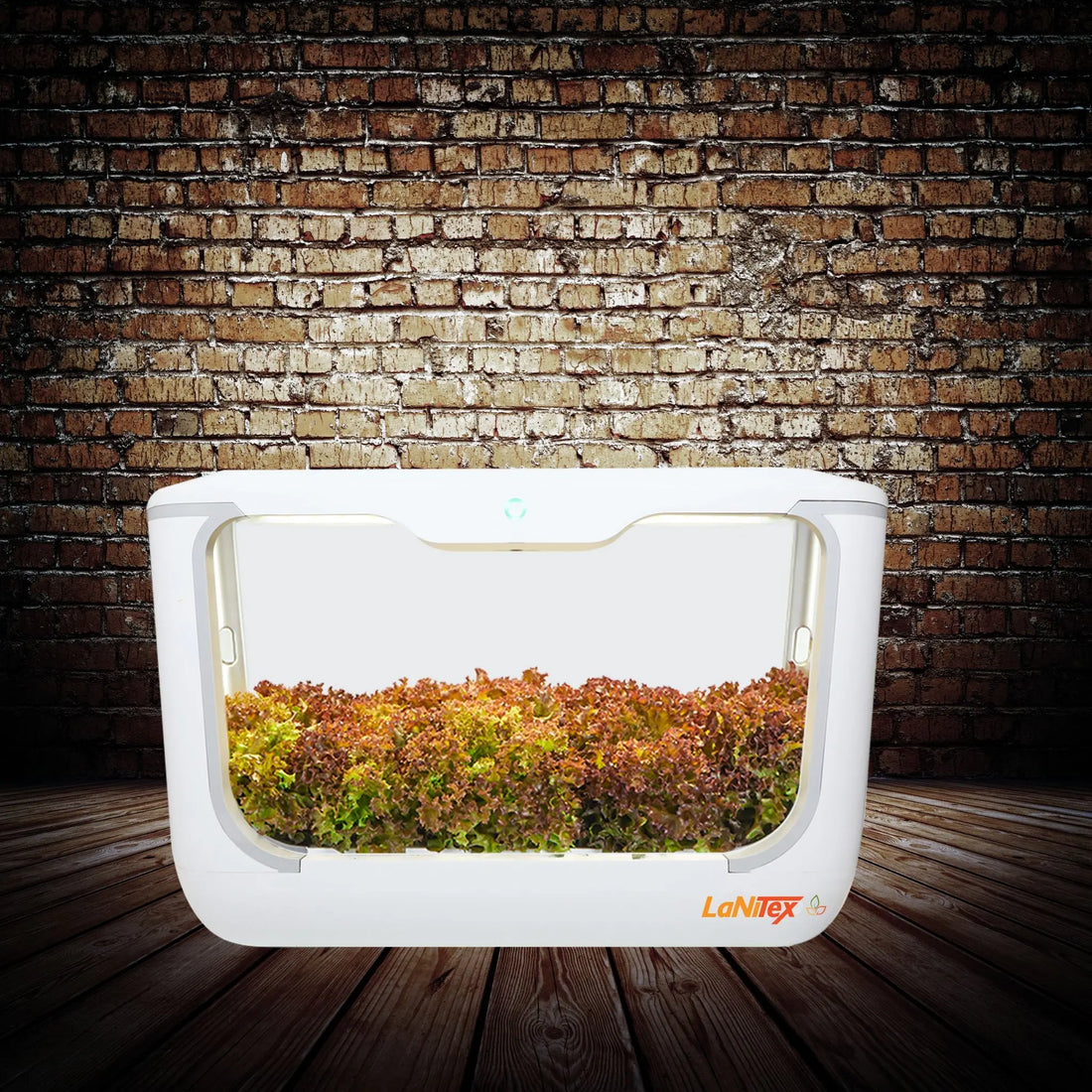
For most home growers I point to an enclosed grow box. It bundles the pump, tank and full-spectrum light into one unit, holds the numbers above steady, and takes the guesswork out of a first crop.

Fresh oregano within arm's reach on your kitchen bench - the tall grow box gives roots the depth and the full-spectrum LED the light to keep leaves coming. You supply the seedlings.
Start growing oregano →Personally tested at home on the Sunshine Coast before listing.
From seed to harvest: timeline and varieties
Oregano seed is slow to wake but quick to catch up. Expect germination in about one to two weeks, then a first light pick around eight to ten weeks from seed, with the plant filling out over the weeks after. Start from a transplant or a rooted cutting instead and you can be snipping in roughly five to six weeks, one of the faster returns among hydroponic herbs.
Variety shapes the plate. Greek oregano gives the bold, almost spicy note that stands up to tomato and long cooking; Italian oregano cultivars stay softer and suit fresh finishes. Growing origanum vulgare hydroponically also tends to concentrate flavour, or so the nose says at harvest. The antioxidant and essential-oil content of hydroponically grown oregano has drawn research interest too, including a 2024 study in the journal Horticulturae that measured how nutrient tweaks change those compounds.
Use it fresh or dried: scattered over a pizza, stirred through a slow pasta sauce, blitzed into a marinade, or steeped in warm olive oil for a quick herbal oil. Snip the top few centimetres of each stem and the plant branches back thicker.
Common problems and how to avoid them
Most oregano problems trace back to too little light or too much water.
Leggy, weak stems mean the light is too far away or too dim. Drop the LED closer and push PPFD toward the 400 umol/m2/s end of the range so growth stays short and bushy. Powdery mildew shows up as a dusty white film when air is still and damp; keep humidity around 40 to 60 percent and run a small fan for airflow, which matters in a humid Queensland summer. Root rot is the drought-lover's classic killer, caused by stagnant, low-oxygen water. Don't overwater, keep the solution aerated, and let the media breathe. Yellowing or pale new leaves usually mean the pH has drifted above 7.0 and locked out iron and nitrogen, or the feed is too weak: reset pH to 6.0 to 6.8 and check EC sits in the 1.5 to 2.0 mS/cm range.
To move a plant outside, Australian timing helps. In the warm season, roughly October to February in southern Queensland, harden oregano off over a week in a shady spot before full sun, so the soft indoor leaves do not scorch. In cooler zones, wait until frost risk has passed.
In the kitchen, treat fresh-cut oregano like any leafy produce: cut with clean scissors, rinse, pat it dry and refrigerate what you will not use within a few hours. Clean tools and cool storage are the whole of safe handling for home-grown herbs.
Harvesting, drying and storing oregano
Harvest oregano the cut-and-come-again way and a single plant keeps you in leaves for months. Snip whole stems just above a pair of leaves rather than stripping foliage off, and the plant branches from that node and comes back bushier. Never take more than about a third of the plant at once, and leave a few centimetres of stem standing so it has something to regrow from. Flavour is strongest just before the plant flowers, so pick often to keep it in leaf.
Oregano is one of the few herbs that tastes better dried than fresh, because drying concentrates its aromatic oils. Tie small bunches and hang them somewhere warm, dark and airy, or spread the sprigs on a rack for a week or so until the leaves crumble off the stem. Store the dried leaves whole in an airtight jar out of the light, and crush them only as you cook, which holds the aroma far longer than a pre-ground packet.
Oregano shares a bench, but pick its neighbours by the numbers. At EC 1.5 to 2.0 it is one of the hungrier herbs on our shelf, and marjoram at 1.6 to 2.3 is its natural partner on a shared reservoir. Basil and sage top out at 1.6, thyme runs lean from 0.8, and mint sits near 1.2 - all softer feeders that stretch and go leggy in a tub tuned for oregano. Give the lean herbs their own reservoir. If you want to widen that shelf, growing rosemary in a hydroponic system follows the same sun-loving, dry-air playbook.
The full range
Find the system that fits your space


Supported in Australia - every model tested before listing.
Frequently asked questions
What EC and pH should I use for hydroponic oregano in Australia?
Hold the nutrient solution at pH 6.0 to 6.8 and an EC of 1.5 to 2.0 mS/cm. That pH band keeps nitrogen, calcium and iron available, while the moderate EC feeds steady leaf growth without turning the foliage soft and bland. Check both twice a week, since Australian tap water can nudge pH upward as the reservoir concentrates.
How much light does hydroponic oregano need indoors?
Indoor oregano wants 12 to 16 hours of light a day at a PPFD of 200 to 400 umol/m2/s. Aim for the middle of that band with a full-spectrum LED held close to the canopy. Too little light and the stems stretch and flop; enough light keeps the plant compact, bushy and full of aromatic oil.
Which hydroponic system is best for growing oregano at home?
For most home growers, an enclosed grow box or a deep water culture tub is the easiest choice. Both give the roots oxygen and hold conditions steady. Kratky suits a cheap single-plant trial, and NFT scales to rows, but an all-in-one grow box bundles the pump, tank and light, so a first oregano crop is close to hands-off.
How long does hydroponic oregano take to grow from seed to harvest?
From seed, expect a first light harvest in about eight to ten weeks: germination takes one to two weeks, then leafy growth speeds up under good light, filling out over the weeks after. Start from a transplant or rooted cutting and you can be picking in roughly five to six weeks. Snip little and often and the plant keeps branching back.
Can I grow oregano cuttings in a Kratky or DWC system?
Yes. Oregano roots readily from cuttings, which makes it ideal for Kratky and DWC. Take a healthy 8 to 10 cm stem, strip the lower leaves, and suspend it in a net pot so the cut end reaches the nutrient solution. Roots usually appear within one to two weeks, and from there it grows exactly like a seedling.
How do I stop hydroponic oregano getting leggy or weak stems?
Leggy oregano is almost always a light problem. Move the LED closer and raise PPFD toward 400 umol/m2/s, keep the light on 12 to 16 hours a day, and pinch the growing tips to force branching. Steady airflow and not overfeeding help too, since soft, over-fed growth flops more easily than lean, well-lit growth.
What temperature range does hydroponic oregano need in Australian climates?
Oregano grows best at 18 to 22 degrees C, an easy indoor range across most of Australia. It tolerates warmer kitchens, but flavour and compactness are best in that band. In a hot Queensland summer, air-conditioning or a cooler room keeps the plant from stretching; in winter, indoor warmth means it never stops, unlike outdoor plants.
What are the main types of oregano to grow?
The two worth growing are Greek oregano (Origanum vulgare subsp. hirtum), the bold, peppery pizza type, and milder Italian oregano, an oregano-marjoram cross that suits fresh finishes. Golden and common oregano are more ornamental with a softer flavour. For the strongest aroma in a hydroponic system, choose Greek.
About the writer
Laszlo Bulatko founded LaNiTex Hydro Garden in December 2024, based in Sippy Downs on the Sunshine Coast, Queensland. His mission is simple: help any Australian family grow fresh food at home, even in a small apartment with no backyard and no green thumb. The brand supplies indoor hydroponic grow boxes, a benchtop Mini Grow Pot and the Smart Microgreen Kit, and he personally tested every product at home before adding it to the catalogue. Before hydroponics, Laszlo spent 15 years in sales, marketing and brand development in the Hungarian fishing-tackle trade, after starting his career at IBM and Diageo. He also runs the Term-Grow Enrolment program, placing grow boxes in Queensland primary school classrooms. Read more on the about Laszlo Bulatko page.
Sources
- Skrypnik, L. (2024). Selenium Improves the Nutritional and Antioxidant Properties of Oregano (Origanum vulgare L.) Grown in Hydroponics. Horticulturae, 10(12), 1320. MDPI. https://www.mdpi.com/2311-7524/10/12/1320
- Royal Horticultural Society. Oregano: grow your own. https://www.rhs.org.uk/herbs/oregano/grow-your-own