
Fresh parsley wilting in the crisper drawer before you can use half of it? Growing your own at home means bright, flavoursome leaves are always within arm's reach, right there on the kitchen bench.
Quick answer: You can grow parsley hydroponically in Australia by holding the nutrient solution at pH 5.5 to 6.5 and EC 0.8 to 1.8 mS/cm, running 12 to 16 hours of full-spectrum LED light, and keeping the room between 18 and 24 degrees Celsius. The first harvest comes in about six weeks.
Parsley forgives beginners more than almost any other herb, and it takes to hydroponics without complaint. Give it the right light and a steady nutrient mix and the first leaves are ready in about six weeks, then it keeps producing for months. A benchtop system suits a Sunshine Coast kitchen or a Brisbane apartment equally well.
Grow it hydroponically for weekly cooking, or keep a tidy pot of curly leaves on hand for garnish. Either way, an indoor setup takes the guesswork out of it. There is no yard for pests to sneak in from, and a Queensland heatwave will not send your plants to seed the way it does outdoors. You water once, top up the nutrients, and pick as you go.
Here is everything you need to grow a thriving crop, from choosing a cultivar to your first cut-and-come-again harvest.
What is parsley?
Parsley (Petroselinum crispum) is a biennial herb grown as an annual for its aromatic leaves. Two broad groups suit hydroponics. The flat-leaf types, such as Italian flat-leaf (var. neapolitanum, often labelled simply 'Italian' or 'continental' parsley) and 'Giant of Italy', have a strong, clean flavour that holds up when you cook with it. Curly types (var. crispum), like 'Moss Curled', are the tightly ruffled ones you see used as a garnish, and their taste is milder.
Flat-leaf cultivars tend to grow taller and yield more leaf, while curly parsley stays compact and ornamental. For flat leaf parsley hydroponics on a benchtop, 'Giant of Italy' is a reliable, productive pick that keeps a busy kitchen well supplied.

Best growing conditions for hydroponic parsley indoors
Get the basics right and parsley becomes almost hands-off. Keep the parsley hydroponic pH between 5.5 and 6.5, the band where the plant takes up nutrients most efficiently. Run the parsley hydroponic EC at 0.8 to 1.8 mS/cm - start seedlings at the lower end and lift it as plants mature.
For light, aim for a PPFD of 200 to 400 umol/m2/s at leaf height, with 12 to 16 hours of full-spectrum LED light each day. Good LED grow lights for parsley make year-round indoor growing straightforward in any Australian home. Hold the temperature between 18 and 24 degrees Celsius and humidity around 50 to 70 per cent.
As a leafy herb, parsley wants a balanced N-P-K feed with enough nitrogen to drive leaf growth, plus calcium, magnesium and iron to keep foliage deep green and free of deficiency.
My experience growing parsley on the Sunshine Coast
It always frustrated me that half the parsley I bought from the shop ended up forgotten in the fridge - yellowing and wilting - before I could use it. Since switching to smart, indoor hydroponic growing, that problem simply disappeared. No more mess with soil or tossed-out herbs, just lush, fresh green shoots right there on the kitchen bench. A crisp salad or a simple bowl of buttered potatoes reaches a whole new level when you snip the herb straight from the plant the moment you need it.
That small shift changed how I cook here on the Sunshine Coast. A handful of parsley is now always a step away, and nothing ends up in the bin.
Choosing a hydroponic system for parsley
Parsley suits almost every method, so pick the one that matches your space and effort level.
- Kratky is a passive, non-circulating method - no pump, just a reservoir of nutrient solution. Growing kratky parsley indoors is ideal for a beginner keeping a few plants going.
- NFT (nutrient film technique) runs a thin, continuous flow of solution past the roots. A curly parsley NFT system is efficient for growing neat rows at scale.
- DWC (deep water culture) suspends the roots in oxygenated water. It is simple and forgiving, which makes it a great first circulating system.
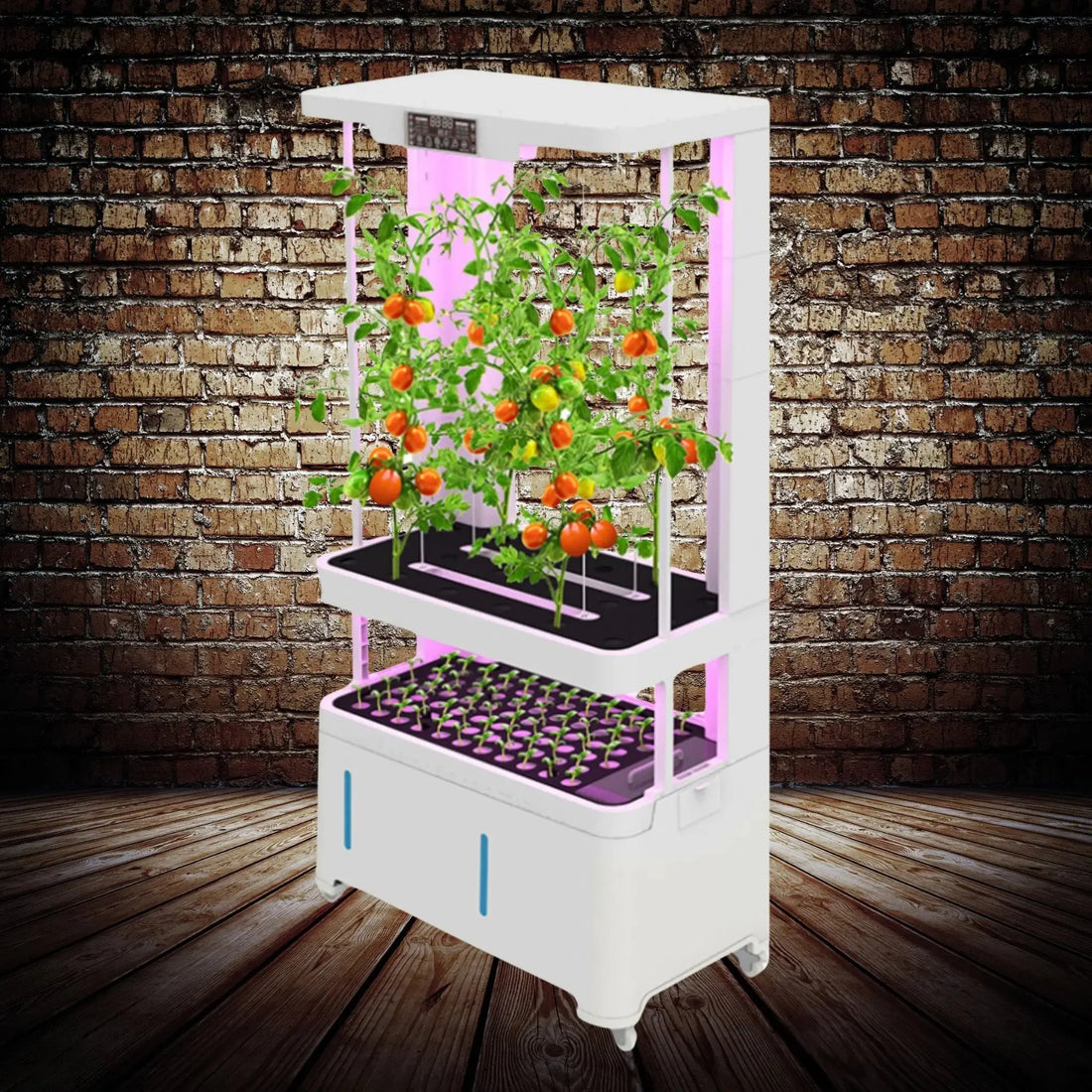
- Aeroponic tower growing mists the roots for high oxygenation and vertical yield. An aeroponic tower parsley setup packs a lot of plants into a small footprint.
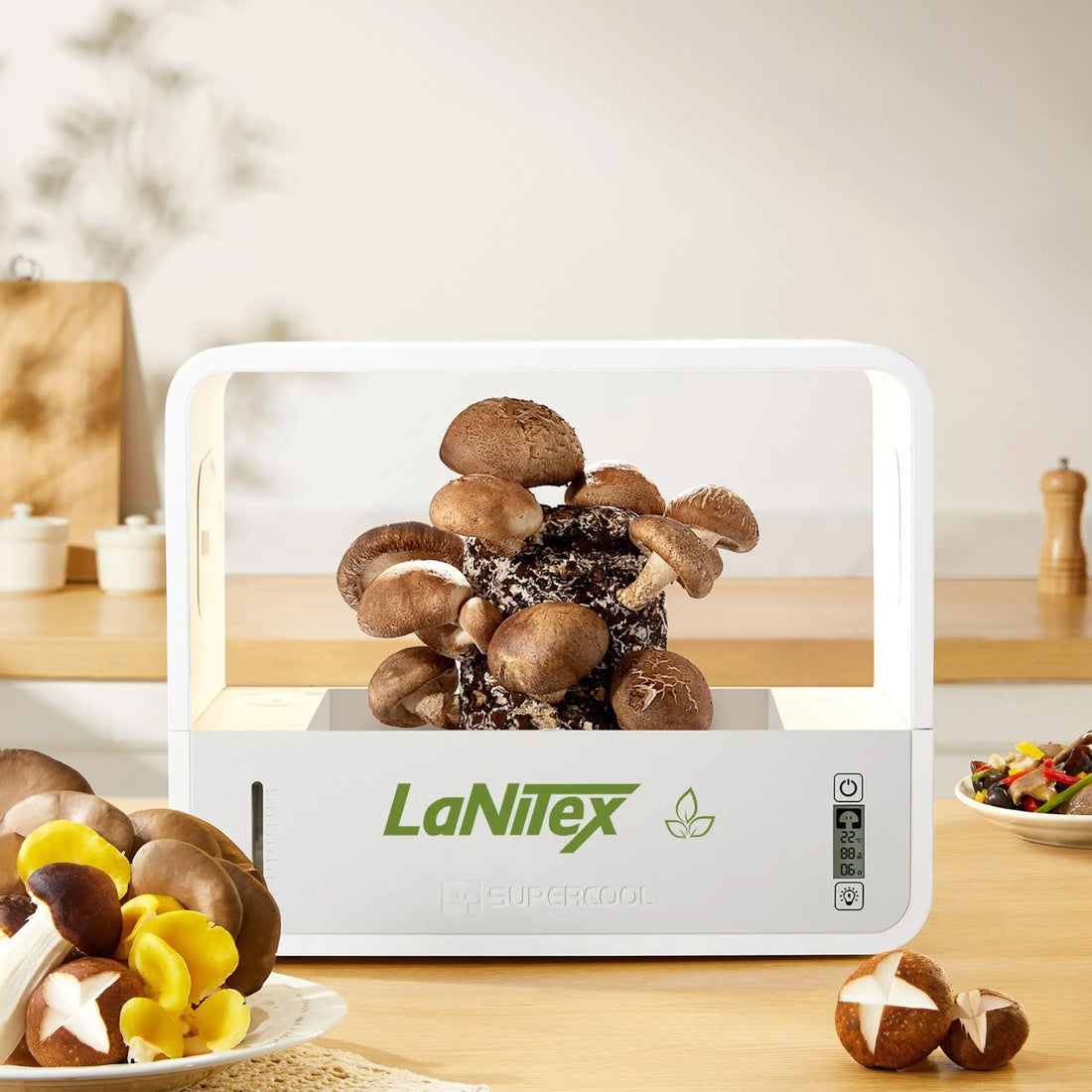
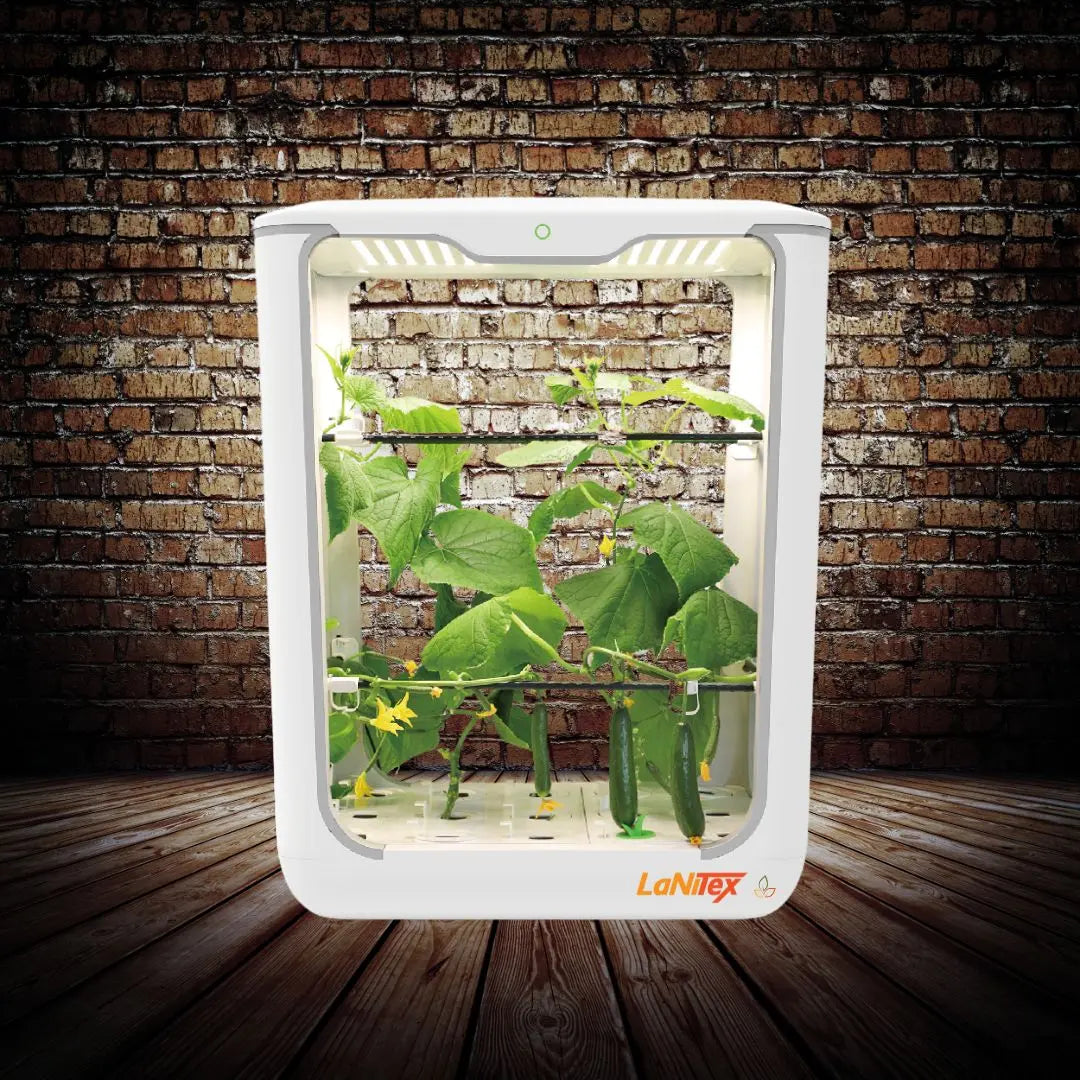
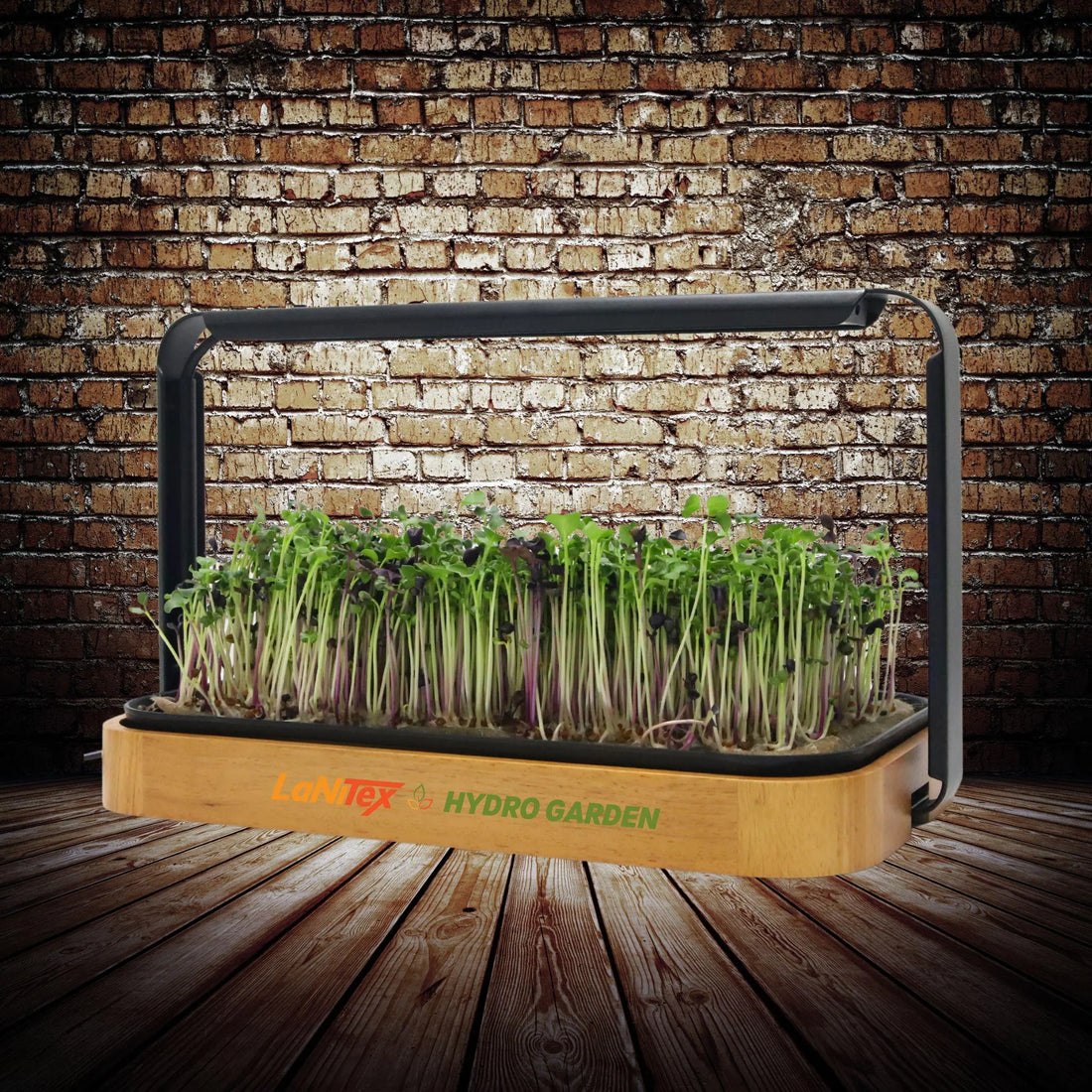
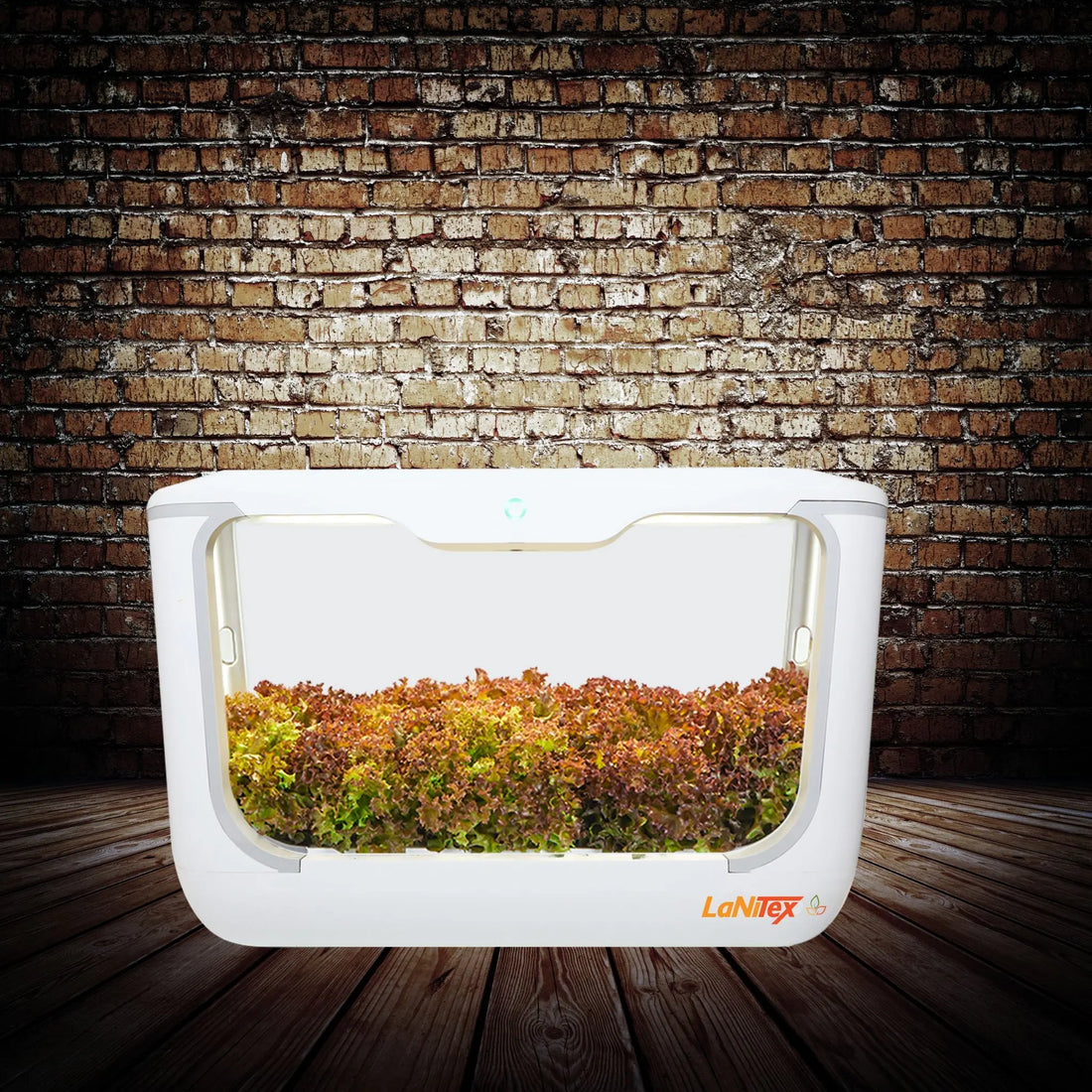
For most home growers, a simple all-in-one grow box or a DWC tub is the easiest place to start. The LaNiTex Smart Grow Box is a beginner-friendly option that handles the pump, light and water level for you.

Grow up to 15 parsley plants on your kitchen bench - the self-watering tank and full-spectrum LED handle pH-stable, year-round growing. You supply the seeds.
Start growing parsley →Personally tested at home on the Sunshine Coast before listing.
Get a fresh grow guide like this every fortnight
Join the LaNiTex Hydro Garden newsletter for practical hydroponic, microgreen and mushroom growing tips for Australian homes. Subscribe to download a free hydroponics starter guide (PDF) and get 10% off your first order.
Join the newsletter →Seeds, germination and planting
Patience pays off here. Parsley seeds germinate slowly, often taking 14 to 21 days to sprout. To speed things up, soak the seeds in warm water for 12 to 24 hours before sowing.
Start the seeds in a rockwool cube or a rapid-rooter plug rather than loose soil. Both hold moisture well and drop straight into a net cup once the roots appear. Sow one seed per cube or growing site to avoid crowding, and keep the medium warm and moist while you wait for the first shoots.
Once the seedlings show their true leaves, move each plug into a net cup in your hydroponic system and settle the roots into the nutrient solution. Give the plants room as they grow - space parsley roughly 15 to 20 cm (6 to 8 inches) apart, or one plant per site, so the leaves can spread and air moves freely around them.
Growing parsley through the Australian seasons
Parsley is cool-season tolerant, and indoors that becomes a real advantage. With climate control, you grow year-round on the Sunshine Coast, in Brisbane, and across QLD, regardless of what the weather does outside. Because the indoor climate stays steady, there is no set planting season - start parsley any time of year. Outdoors it is hardy enough to shrug off a light frost, but summer heat is the bigger enemy.
Grown outdoors, summer heat often pushes parsley to bolt, sending up a flower stalk and turning the leaves bitter. An indoor hydroponic setup sidesteps that by holding a steady temperature. Research supports the value of that control: a PLOS One study on hydroponic parsley found that mean daily temperature shaped growth more than the amount of light the plants received. Steady warmth, not just bright light, keeps a crop productive.
Common problems and how to fix them
Most parsley troubles trace back to the root zone or the nutrient solution.
- Root rot shows as brown, slimy roots, usually from poor oxygenation or overly warm water. Improve aeration and keep the reservoir cool.
- Nutrient burn appears as scorched leaf tips when the EC runs too high. Dilute the solution back to 0.8 to 1.2 mS/cm, especially for seedlings.
- Tip chlorosis and yellowing point to an iron or nitrogen deficiency, or pH that has drifted out of the 5.5 to 6.5 range. Check and correct the pH first, then top up nutrients.
- Bolting is rare indoors thanks to the steady temperature, but if a flower stalk does appear, pinch it out early to keep the plant putting its energy into leaf.
A simple habit fixes most of this: test pH and EC with a handheld tester every few days and adjust early.
Harvesting parsley - cut-and-come-again
Parsley rewards regular picking. Harvest the outer stems first, cutting them near the base, and leave the central growing point untouched. As a rule of thumb, take about a third of the plant at a time, and use the stems as well as the leaves - they carry plenty of flavour. The plant keeps pushing new growth from the middle, so one crop can supply your kitchen for months.

Hydroponic parsley is a productive crop. Vertical tower systems can pack in around 50 plants per square metre, and even a single benchtop plant keeps supplying cuttings for months once it hits its stride.
Expect your first proper harvest around six to eight weeks after transplant. Pick little and often, and the plant stays lush and productive.

Grow fresh parsley on your kitchen bench, all year round
The LaNiTex Smart Grow Box holds up to 15 plants with a self-watering tank and full-spectrum LED for pH-stable, hands-off growing. You supply the seeds, and the box handles the rest.
Start growing parsley →Personally tested at home on the Sunshine Coast before listing.

Short on space? The 3-pod Desktop Grow Box fits a benchtop or office desk and keeps a small parsley supply within arm's reach.
Explore the Desktop Grow Box →Ships from the Sunshine Coast, Queensland.
The full range
Find the system that fits your space


Supported in Australia - every model tested before listing.
Frequently asked questions
How do I grow parsley hydroponically at home in Australia?
Start with a simple benchtop system such as a Kratky jar, a deep water culture tub, or an all-in-one grow box. Sow one parsley seed per site, keep the solution at pH 5.5 to 6.5 and EC 0.8 to 1.8 mS/cm, and give 12 to 16 hours of LED light daily. Hold the room at 18 to 24 degrees Celsius, transplant once true leaves appear, and pick outer stems from around six weeks.
What is the best pH range for hydroponic parsley?
Keep the parsley hydroponic pH between 5.5 and 6.5. In that band the plant absorbs nitrogen, iron and other nutrients efficiently, which keeps the leaves deep green. If foliage yellows or growth stalls, test the solution first - pH drift is a common cause. Adjust gradually with pH up or down solution, then re-check after a few hours.
What EC should I run for parsley in a hydroponic system?
Run the parsley hydroponic EC between 0.8 and 1.8 mS/cm. Start seedlings at the lower end, around 0.8 to 1.2, then raise the strength as plants build leaf. Going too high risks nutrient burn, seen as scorched leaf tips. If in doubt, run slightly lean - parsley grows steadily on a moderate feed.
How many hours of light does hydroponic parsley need indoors?
Give hydroponic parsley 12 to 16 hours of full-spectrum LED light each day, aiming for a PPFD of 200 to 400 umol/m2/s at leaf height. A timer keeps the cycle consistent. More hours within this range speeds growth, but parsley still needs a daily dark period, so avoid running the lights around the clock.
Which parsley varieties grow best in hydroponics?
Flat-leaf types perform well, especially Italian flat-leaf (var. neapolitanum) and 'Giant of Italy', which yield plenty of strong-flavoured leaf. Curly cultivars such as 'Moss Curled' stay compact and make a tidy garnish. All grow happily without soil. For the most kitchen use from one plant, an italian giant parsley hydroponic setup is hard to beat.
How long does hydroponic parsley take to harvest from seed?
Expect your first proper harvest around six to eight weeks from transplant, though germination adds time upfront - parsley seeds are slow, taking 14 to 21 days. Soaking the seeds for 12 to 24 hours in warm water speeds things along. Once established, cut-and-come-again picking keeps the plant productive for months.
Can I grow parsley in a Kratky hydroponic setup?
Yes. Kratky parsley indoors works well because parsley is a light feeder that suits a passive, non-circulating system. Fill a jar or tub with nutrient solution, suspend the seedling in a net cup so the roots reach the liquid, and top up as the level drops. It is a low-cost, low-effort way to grow a few plants.
Is parsley the same as coriander (cilantro)?
No - they are different herbs that happen to look alike. Flat-leaf parsley and coriander (sold as cilantro in some countries) both have flat, toothed green leaves, but the flavour is nothing alike: parsley is clean and grassy, while coriander is citrusy and far more pungent. A quick way to tell them apart is the leaf shape - coriander leaves are rounder and more fan-like, parsley leaves more pointed. Both grow well hydroponically, so if you enjoy one it is easy to add the other to your system - here is our full guide to growing coriander hydroponically.
Can you grow parsley from cuttings?
Not reliably. Unlike soft herbs such as basil or mint, parsley does not root well from a cut stem - it usually just wilts. Parsley is best grown from seed, which is exactly the method above: soak the seeds, germinate them in a plug, then move the seedling into your hydroponic system. Starting from seed gives you a healthier, longer-lived plant.
Why is my parsley turning yellow?
Yellowing parsley usually points to the nutrient solution. The common causes are an iron or nitrogen deficiency, or a pH that has drifted outside the 5.5 to 6.5 band so the plant cannot take up nutrients. Check and correct the pH first, then top up the nutrients. If the lower leaves yellow and the roots look brown and slimy, that is root rot from warm or poorly aerated water instead - improve aeration and keep the reservoir cool.
Sources
- PLOS One: Modeling growth and development of hydroponically grown dill, parsley, and watercress in response to photosynthetic daily light integral and mean daily temperature. The study notes: "Besides dry matter concentration (DMC), parsley was influenced by MDT and not DLI."
- HortTechnology: Optimizing Sowing Density for Parsley, Cilantro, and Sage in Controlled Environment Production.
About the writer
Laszlo Bulatko founded LaNiTex Hydro Garden in December 2024, based on the Sunshine Coast, Queensland. Before hydroponics he spent 15 years in sales, marketing and brand development in the Hungarian fishing-tackle trade, after starting his career at IBM and Diageo, and helped build a 12 per cent market share. Today he hand-picks and tests every hydroponic system at home before listing it, and runs the Term-Grow Enrolment program placing grow boxes in Queensland primary-school classrooms.