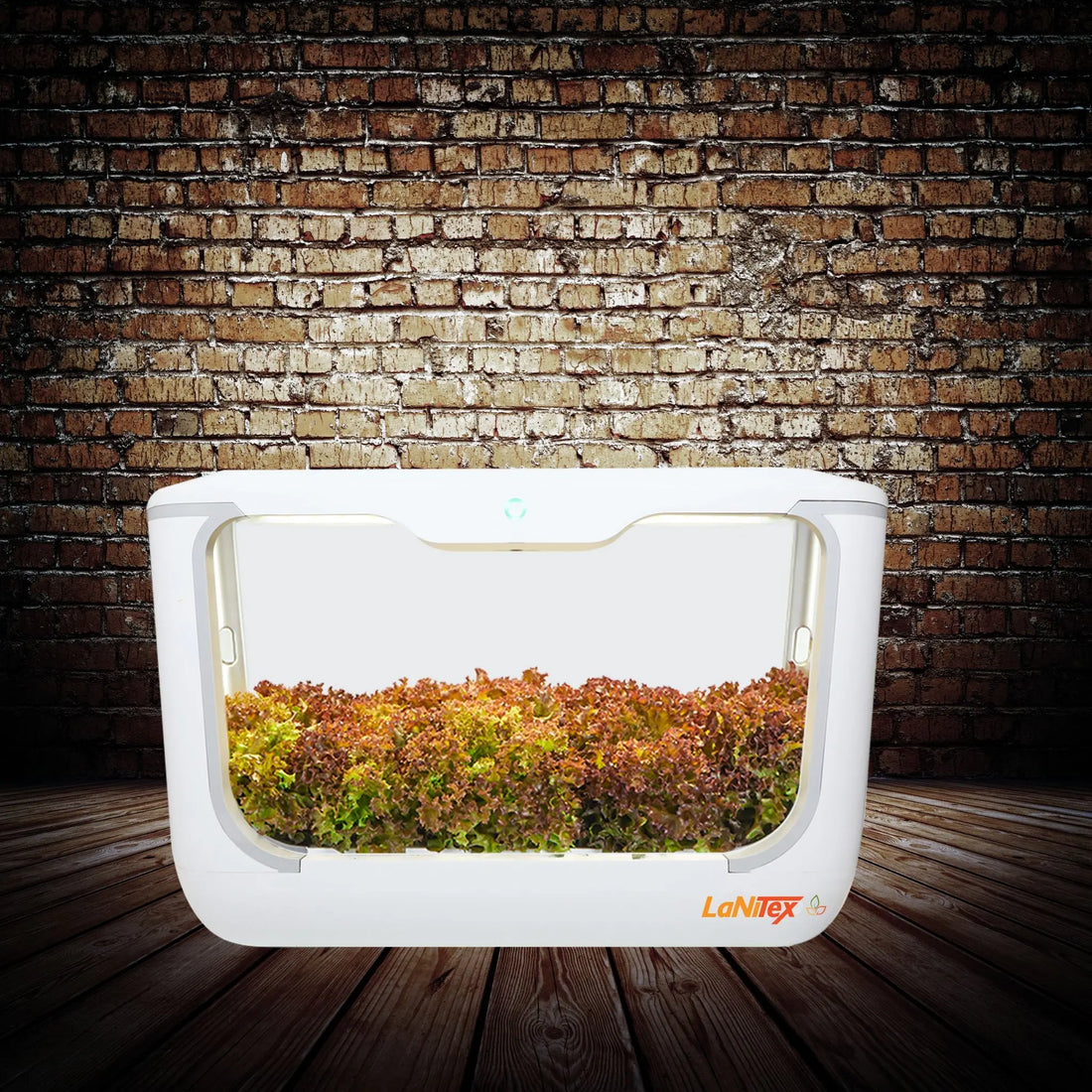

Hydroponic Plants: A Guide to Growing Red Malabar Spinach in a Hydroponic System
Introduction
Red Malabar Spinach (Basella alba var. rubra), a vibrant vegetable, originates from tropical Asia and thrives in warm, humid climates. Known for its striking red stems and nutrient-rich leaves, it is a popular choice for both culinary and medicinal applications. Unlike traditional soil-based farming, hydroponic plants offer an optimized environment for Red Malabar Spinach growth. The hydroponic system enhances nutrient absorption, accelerates growth, and reduces water usage.

Hydroponic Growing Conditions
Ideal pH and EC Levels
- pH: Maintain between 6.0–6.5 for optimal nutrient uptake.
- EC: A range of 1.5–2.5 mS/cm ensures balanced nutrient delivery.
Light, Temperature, and Humidity Requirements
- Light: Requires 12–16 hours of exposure to full-spectrum LED grow lights.
- Temperature: Ideal range is 20–30°C.
- Humidity: Maintain 60–80% to support lush foliage growth.
Best Hydroponic Systems
Red Malabar Spinach thrives in several hydroponic systems:
- Deep Water Culture (DWC): Provides continuous nutrient access.
- Nutrient Film Technique (NFT): Supports efficient root exposure.
- Aeroponics: Enhances oxygen uptake for vigorous growth.
Nutrient Solutions & Water Management
A balanced nutrient solution is essential for hydro garden success:
- Macronutrients: Nitrogen (N), Phosphorus (P), and Potassium (K) should be adjusted per growth phase.
- Micronutrients: Calcium (Ca) and Magnesium (Mg) aid in leaf development.
- Ensure oxygenation and periodic solution refreshes for optimal growth.
Seed to Harvest Process
Red Malabar Spinach begins from seed, requiring 2–3 seeds per hole for successful germination. After transplanting, maturity occurs 40–60 days post-germination. Hydroponic cultivation accelerates growth and enhances leaf quality. Popular varieties include Basella Rubra and Basella Alba.
Uses and Benefits
Culinary Applications
Red Malabar Spinach is a versatile vegetable used in:
- Stir-fries, soups, curries, and salads.
- Blended into smoothies for added nutrition.
Health Benefits
- Rich in vitamins A, C, and iron.
- Supports digestion, immune health, and skin rejuvenation.
- Contains antioxidants that reduce inflammation.
Sustainability Advantages
A hydroponic system reduces pesticide dependency, enhances water conservation, and supports year-round cultivation.
Challenges and Solutions
Common Pests & Diseases
Despite soil-free conditions, hydroponic plants can face aphids, whiteflies, and fungal infections. Preventative measures include proper ventilation and organic pest control.
Solutions for Growth Issues
- Nutrient Deficiencies: Adjust macronutrient and micronutrient balance.
- Environmental Stress: Maintain steady temperature and humidity levels.
- Root Rot Prevention: Ensure oxygenated and clean nutrient solutions.
Research for expert insights
Enhance your understanding with these insightful and well-documented expert resources.
|
Institution |
Article Title |
Article Link |
|---|---|---|
|
University of Arizona |
Hydroponic Cultivation of Leafy Greens: A Research Study |
|
|
Cornell University |
Optimizing Nutrient Solutions for Hydroponic Spinach Growth |
|
|
Wageningen University & Research |
Advances in Hydroponic Systems for Leafy Greens |
|
|
University of Florida |
Controlled Environment Agriculture: Hydroponic Spinach Production |
A comprehensive breakdown of key points ensures their work is a reliable resource for readers striving to learn more.
Get a fresh grow guide like this every fortnight
Join the LaNiTex Hydro Garden newsletter for practical hydroponic, microgreen and mushroom growing tips for Australian homes. Subscribe to download a free hydroponics starter guide (PDF) and get 10% off your first order.
Join the newsletter →