
By Laszlo Bulatko, Founder — LaNiTex Hydro Garden | Last updated: 24 May 2026
Hydroponic dill is one of the easiest and fastest-paying herbs you can grow indoors in Australia — snipping-ready in five to eight weeks of sowing, climate-independent, and just a short walk from the kitchen bench when you're mid-cook.
Indoor hydroponic dill (Anethum graveolens) thrives at pH 5.8 to 6.5 and EC 1.0 to 1.6 mS/cm in deep water culture, NFT, or Smart Grow Box systems, under 14 to 16 hours of full-spectrum light at 200 to 400 PPFD. The real win for Australian growers is climate independence: you can keep a productive plant going through a Brisbane summer that bolts outdoor dill in a fortnight, or through a Tasmanian winter when nothing germinates outdoors. We've tested every system, cultivar, and nutrient range in this guide on our own gear at LaNiTex's Sunshine Coast facility before publishing.
Here's what works for growing dill indoors in Australia, from sowing through year-round snipping.
Why dill belongs in your hydroponic setup
Dill is an annual umbellifer that does brilliantly in soilless culture. It grows fast (snipping within five to eight weeks of sowing), it likes the consistent root-zone temperatures that hydroponics provides, and the foliage stays cleaner without soil splash. For Australian growers, the real win is climate independence — you can keep a productive plant going through a Brisbane summer when outdoor dill bolts to seed in a fortnight, or through a Tasmanian winter when nothing germinates outdoors.
Sustainable Gardening Australia notes that well-managed recirculating hydroponic systems can use up to about 90 per cent less water than soil-based gardening (actual savings depend on system design, crop, and management) — useful during the Sunshine Coast's dry season when council restrictions tighten.
Choose the right system for dill
Dill develops a single long taproot (which makes transplanting tricky) and can reach 60–90 cm at full height, so the system you pick matters more than it does for shallow-rooted herbs like basil.
Three setups suit dill well:
- Deep water culture (DWC) suspends the roots in oxygenated nutrient solution. It works well for compact cultivars once you can reliably manage root-zone oxygenation, pH drift, and temperature — Kratky or other passive setups are slightly more forgiving for absolute beginners.
- Nutrient film technique (NFT) runs a thin film of solution down a sloped channel. Great if you want to grow a row of dill plants in one channel for continuous harvest.
- Kratky is the no-power, no-pump version — just a reservoir with the roots dangling into a slowly-falling solution. I've had operator-friendly results with Kratky jars on a kitchen counter when I wanted dill without any equipment hum.
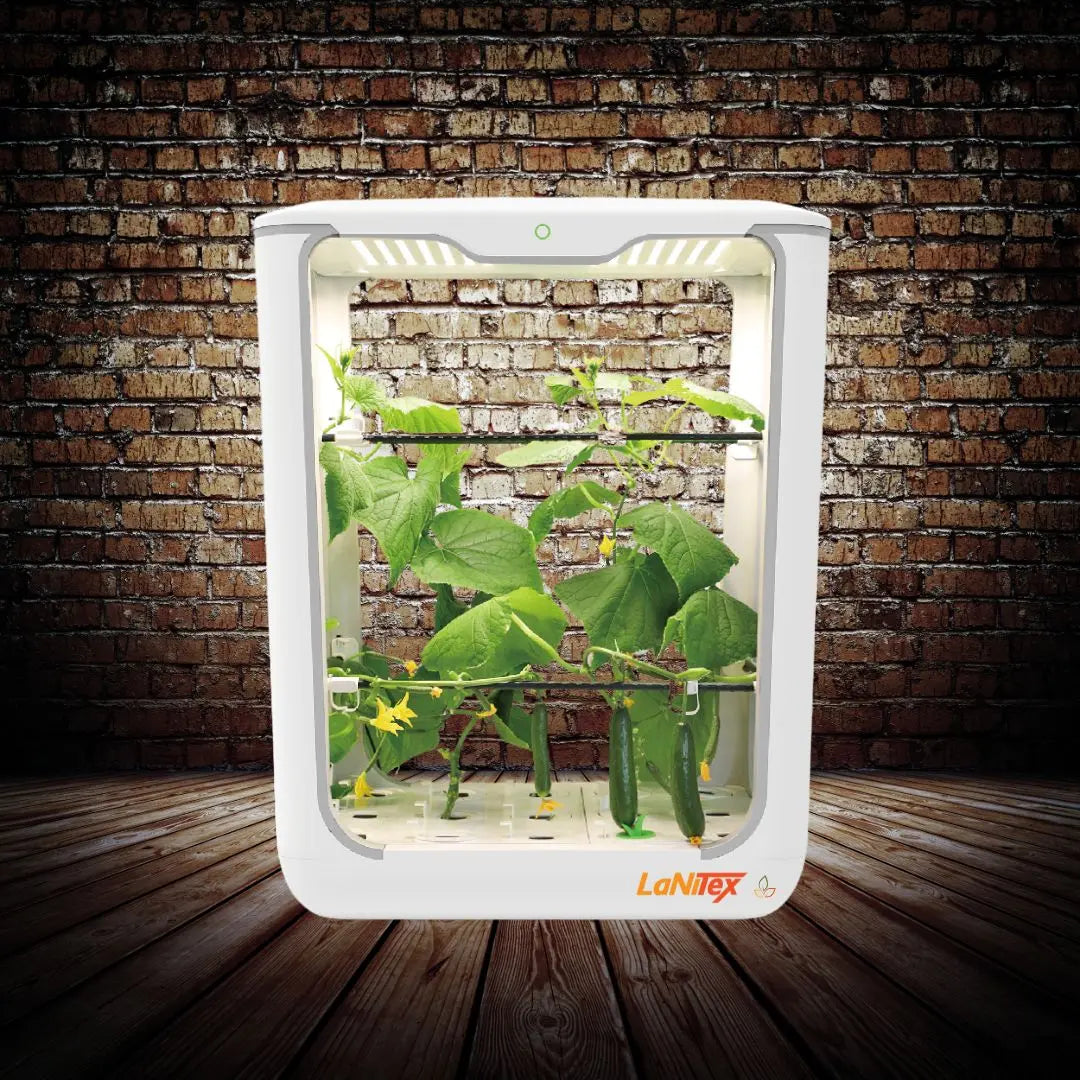
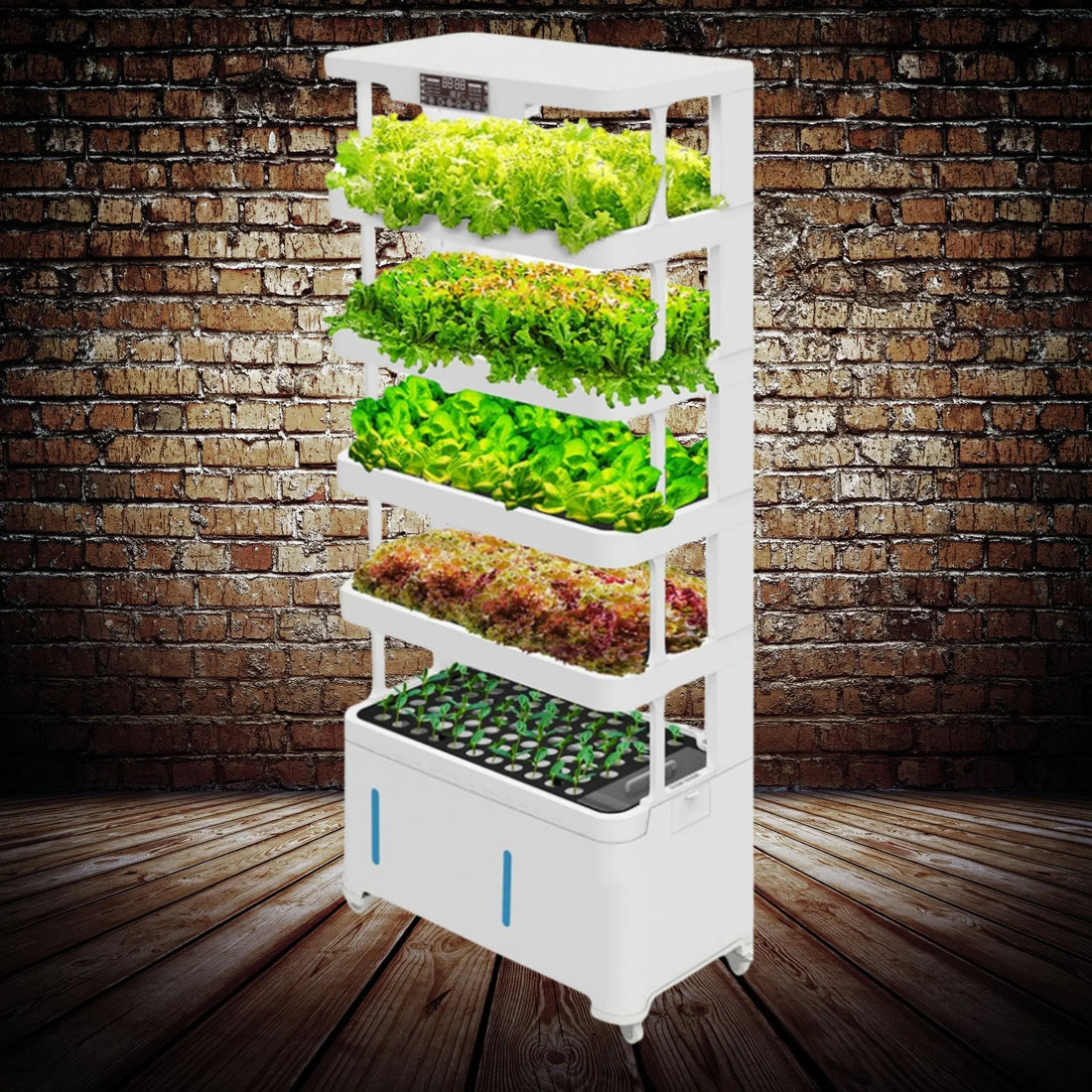
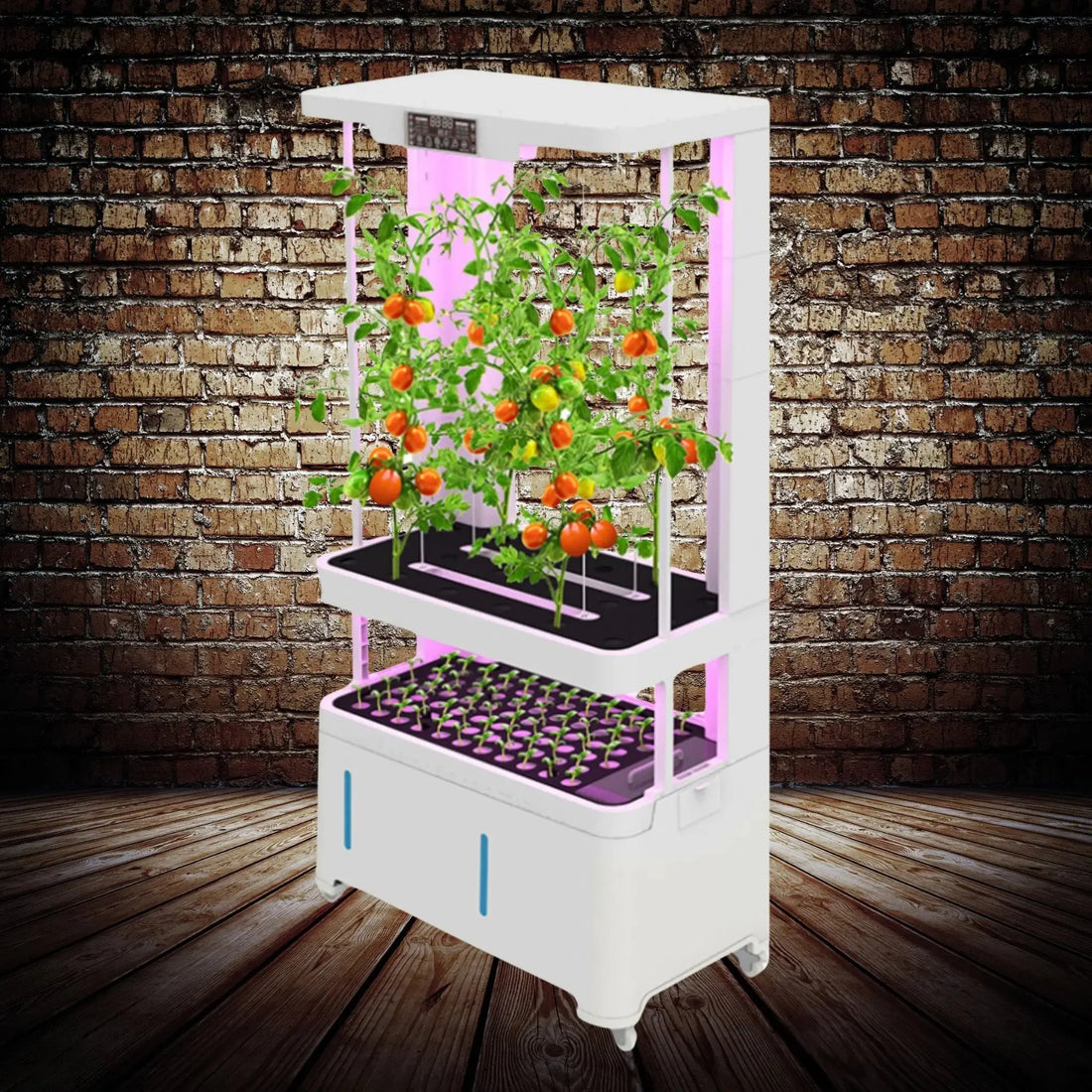
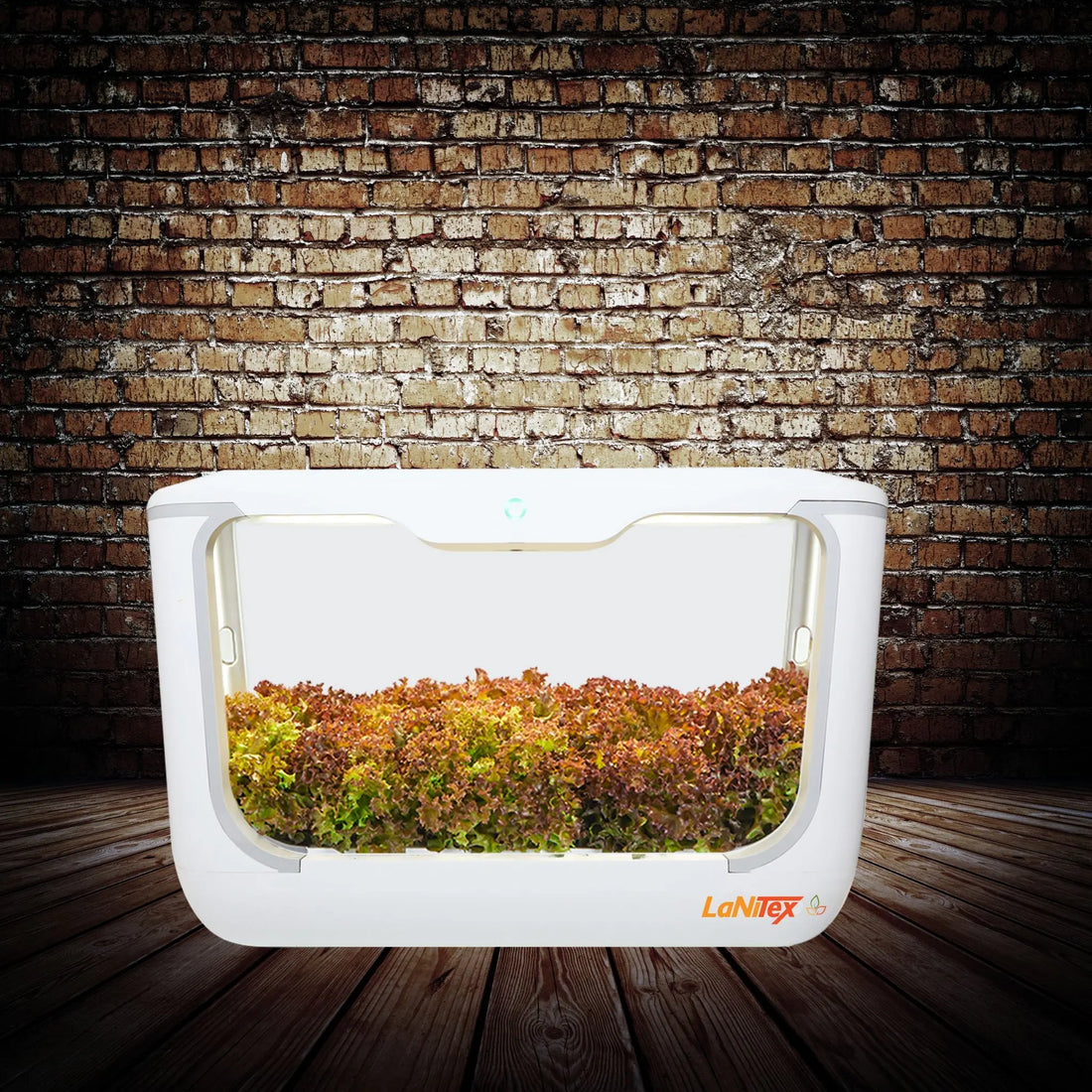
If you're going for full-size dill (60–90 cm tall, suitable for both leaf and seed harvest), the Grow Box Tall version gives you the headroom that a standard countertop unit doesn't.
For most home growers, though, the Indoor Hydroponic System Grow Box is the right starting point — it's what sits on my apartment bench, and it handles dill happily if you crop young (40–50 cm) and harvest often before the plant tries to bolt.
My experience growing dill on the Sunshine Coast
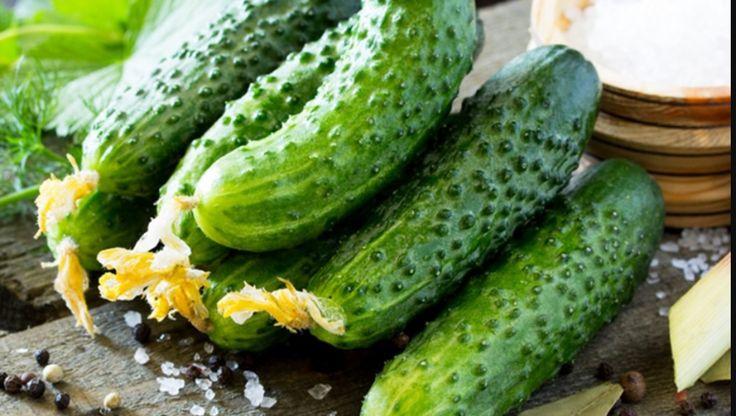
I think we can all agree that dill is one of those herbs that instantly brings back the warmest childhood memories — whether it's a proper summer creamy zucchini braise, a jar of homemade fermented cucumbers, or a light sauce on the side. During a recent family weekend cook-up, I was reminded all over again just how much difference there is between working with dried supermarket dill and using truly fresh, juicy fronds.
That's exactly why I love our LaNiTex Grow Box systems so much. It's a genuinely good feeling not having to wander around the shops for yet another bunch of wilting greens, or settle for the dried version sitting in the cupboard. When the cooking reaches that point, I simply walk over to the Box in the apartment, snip off a few fragrant, fresh fronds, and they go straight into the dish while it's still hot.
If you're anywhere in Australia where wilting supermarket herbs are the norm by Wednesday, the setup I use on the Sunshine Coast grows Anethum graveolens — the botanical name for dill — hydroponically year-round.
Cultivars that thrive indoors
Not all dill cultivars suit a hydroponic setup. The four I'd recommend for indoor or sheltered growing in Australia:
- 'Fernleaf' — a true dwarf, tops out around 45 cm. Slow to bolt, perfect for a Grow Box.
- 'Dukat' — a Danish cultivar prized for high essential-oil content and rich leaf flavour. Slightly taller (60 cm) but bolting-resistant.
- 'Teddy' — fluffy, compact, almost ornamental. Excellent for the standard Grow Box.
- 'Bouquet' — the all-purpose classic. Tall (75 cm+), so pair it with the Grow Box Tall version, or harvest aggressively to keep it compact.
A 2021 PLOS One study (linked under Sources) modelled growth of hydroponically-grown dill, parsley and watercress in response to photosynthetic daily light integral and mean daily temperature — useful reading if you want to dial in your light schedule against your indoor temperature.
Nutrient solution: pH 5.5–6.5, EC 1.0–1.6 mS/cm
Dill is a moderate feeder. You want a balanced leafy-herb formula with adequate nitrogen for leaf production, plus potassium and calcium for stem strength and magnesium for chlorophyll synthesis. Most commercial herb nutrients sold in Australia (CANNA, General Hydroponics, Flairform) are formulated correctly out of the bottle.
Aim for:
- pH 5.5–6.5 — slightly acidic. Below 5.5 you'll see calcium and magnesium lockout (yellow leaves with green veins); above 6.5, iron lockout (yellow new growth).
- Electrical conductivity (EC) 1.0–1.6 mS/cm — start at the lower end for seedlings, push to 1.6 once the plant is established and has multiple lateral branches.
Top up with fresh nutrient solution as needed (rebalancing pH and EC with a meter), and do a full reservoir change every one to two weeks — sooner in warm rooms or small reservoirs where EC drifts faster. Don't let the EC drift much above 2.0 — dill responds to over-feeding by getting tough foliage and slower growth. (Worth noting: peer-reviewed work on dill salinity tolerance shows essential-oil yield can actually rise under moderate salt stress, so the EC ceiling is about texture and predictable cultivation, not flavour loss.)
Light, temperature and humidity
Dill needs serious light to produce the essential oils that give it that distinctive flavour. Anaemic dill grown in dim conditions tastes like wet grass.
- PPFD 200–300 µmol/m²/s for 14–16 hours daily as a baseline. Higher PPFD (up to roughly 600 µmol/m²/s) can boost growth rate and essential-oil yield if you have the temperature and ventilation headroom to match. A decent full-spectrum LED panel rated for herbs (most quality 100 W panels hit the 200-300 baseline at 30 cm distance) does the job for general production.
- Temperature 18–25 °C — dill bolts when sustained temperatures exceed roughly 24–27 °C, which is the biggest single problem for outdoor summer dill on the east coast. Indoor temperature control is the main reason hydroponic dill outperforms backyard dill in Brisbane and the Sunshine Coast through the hot months — though outdoor dill still works well in cooler months (April–September) with seasonal timing.
- Humidity 50–70 % RH — anywhere in this band is fine. Dill copes with low humidity better than basil does.
From seed to harvest: germination, growth, bolting
Dill germinates in 7–14 days at 15–22 °C — the cooler end of that band is most consistently cited as optimal in horticultural references. Sow two seeds per growing site (rockwool cube or 25 mm net pot with clay pebbles), thin the weaker seedling once you can tell which is more vigorous. You'll have transplant-ready seedlings (3–4 true leaves) at around three weeks.
From transplant, expect first harvest at five to eight weeks. Cut individual fronds with scissors from the outer stems, leaving the central crown to keep producing. This way the plant keeps generating new growth for two to three months before it starts trying to flower and set seed.
Bolting management: dill is a long-day plant — flowering is triggered by a combination of day length (around 14 hours) and warm root-zone temperatures, with heat being the dominant practical trigger. In a hydroponic indoor setup you can control both factors. Keep the photoperiod at around 14 hours (not 16) once the plant is mature, and prioritise keeping the solution temperature below 22 °C — temperature control matters more than the exact hour count. If you do see the central stem start to elongate and form an umbel (the flat flower head), you have two weeks of leaf harvest left — then either let it flower for dill seed (excellent in pickling brine) or pull it and start fresh seedlings.
Troubleshooting hydroponic dill
The three problems I see most often, and what's actually causing them:
- Yellowing new growth (chlorosis) — almost always pH drift above 6.5 causing iron lockout. Check your pH probe calibration and adjust the solution down to 5.8.
- Yellowing lower leaves — nitrogen deficiency from depleted nutrient solution. Time for a top-up or full change.
- Root rot (slimy, brown roots) — solution temperature too high (above 24 °C) plus inadequate oxygenation. Add an air stone if you don't have one, and consider an inline chiller for the reservoir if your apartment runs warm.
- Spindly, pale plants — light stress from insufficient PPFD. Move the LED closer or upgrade the panel. Most south-facing winter windowsills in southern Australia provide much less light than dill needs — the combination of shorter days, low sun angle, and through-glass light losses (clear glass blocks roughly 10-20 % per pane) usually pushes effective PPFD well below the 200-300 µmol/m²/s range. A bright north-facing window plus a supplemental LED helps; otherwise prefer a dedicated grow setup.
Growing dill in Australian climates
The beautiful thing about an indoor hydroponic dill setup is that it sidesteps most of Australia's climate constraints — though tropical growers still need adequate cooling, ventilation, and power resilience to keep production reliable.
- Tropical zones (Cairns, Darwin, Townsville) — outdoor dill is very difficult because of heat-induced bolting. Indoor hydroponic is the most reliable year-round option, provided you can maintain cooling and stable power.
- Subtropical (Brisbane, Sunshine Coast, northern NSW) — outdoor dill works April to September. Indoor hydroponic covers October to March when outdoor dill bolts in a fortnight.
- Temperate (Sydney, Melbourne, Adelaide, Perth, Hobart) — outdoor works September to May. Indoor covers the cold months when germination outdoors stalls below 15 °C.
For an indoor hydroponic grower, none of that calendar applies — you start whenever your last batch comes out.
FAQ
What EC and pH do I use for hydroponic dill?
Run pH 5.5–6.5 and EC 1.0–1.6 mS/cm. Start seedlings at the lower end of the EC range and increase to 1.4–1.6 once the plant has four to six true leaves. Anything much above 2.0 mS/cm produces tougher foliage and slower growth (essential-oil yield itself can tolerate higher salinity per peer-reviewed work — the ceiling is about predictable texture and growth rate, not flavour loss).
How many hours of light does hydroponic dill need indoors?
Dill wants 14–16 hours of light daily at PPFD 200–300 µmol/m²/s. Once the plant is mature, dropping to 14 hours helps slightly — though heat stress (root-zone temperatures above ~22 °C) is a stronger bolting trigger than photoperiod, so prioritise cooling. Keep the photoperiod consistent — irregular schedules confuse the plant and reduce leaf production.
How long does dill take to grow in a hydroponic system?
Germination takes 7–14 days at 15–22 °C. From transplant to first harvest is five to eight weeks. A well-managed plant keeps producing leaves for two to three months before bolting, then you start a fresh seedling rotation.
Which hydroponic system is best for growing dill in Australia?
For compact cultivars ('Fernleaf', 'Teddy'), a standard Grow Box on a kitchen bench works well. For full-size cultivars ('Bouquet', 'Dukat') that reach 60–90 cm, the Grow Box Tall version gives you the headroom. Beginners usually find passive systems like Kratky easiest to start with (no pumps, low maintenance); DWC works once you can reliably manage oxygenation and root-zone temperature. Experienced growers often prefer nutrient film technique (NFT) for continuous-harvest rows.
What nutrient solution ratio is best for hydroponic dill?
Use a balanced leafy-herb nutrient delivering roughly 150–180 ppm nitrogen, 50–80 ppm phosphorus, 200–250 ppm potassium, plus calcium and magnesium per your specific formula. Australian commercial formulas vary — common dill-friendly ranges sit at Ca 90–200 ppm and Mg 24–70 ppm depending on the recipe. Calcium and magnesium are particularly important — dill is prone to interveinal chlorosis when either drops.
Can I grow dill with other herbs in the same hydroponic tank?
Yes, dill shares pH and EC preferences with other Mediterranean herbs (basil, parsley, oregano, thyme) — though mixed-species hydroponic systems work best when herbs have similar growth rates and canopy heights, so dedicated containers per crop often give cleaner results in practice. Avoid combining dill with strict acid-loving plants like blueberries or with heavy feeders like tomatoes — the pH and nutrient profiles diverge too much.
How do I prune and harvest hydroponic dill so it keeps growing?
Always cut from the outer stems with sharp scissors, leaving the central crown intact. Never strip more than a third of the foliage at one session. This pattern keeps the plant producing new growth from the centre for two to three months. If the central stem starts to elongate (the start of bolting), cut it back to encourage lateral side-shoots and buy yourself another two to three weeks of leaf harvest.
Sources
- PLOS One (2021) — Modeling growth and development of hydroponically grown dill, parsley, and watercress in response to photosynthetic daily light integral and mean daily temperature. Read here
- International Society for Horticultural Science — Effects of different nutrient concentrations on dill production in floating system. Read here
- Sustainable Gardening Australia — The Pros and Cons of Hydroponic Growing. Read here
About the writer
Laszlo Bulatko is the founder of LaNiTex Hydro Garden, an indoor hydroponics and STEM-education business operating from the Sunshine Coast, Queensland (ABN 47 682 768 967). Before LaNiTex, Laszlo spent 15 years in sales, marketing and brand development in the Hungarian fishing-tackle market — working with brands including Okuma, Mustad, Savage Gear, Penn, Berkley and Abu Garcia — where he built a 12% market share. He started his career at IBM and Diageo in Hungary. The Term-Grow Enrolment programme brings his hydroponic systems into Queensland primary-school classrooms.