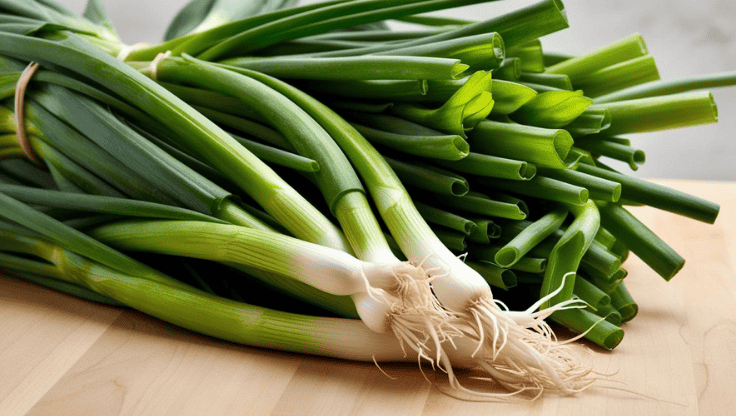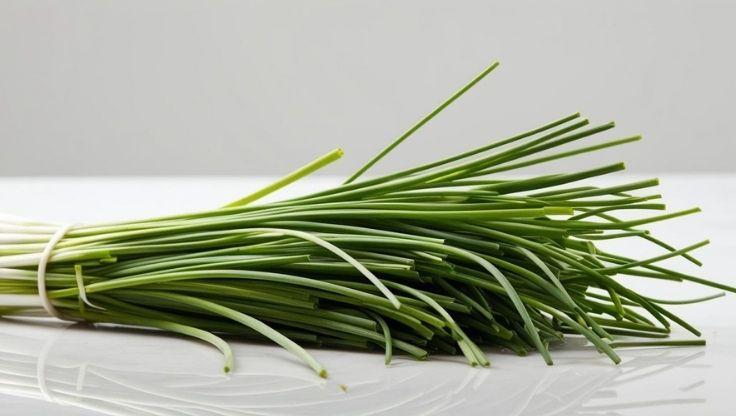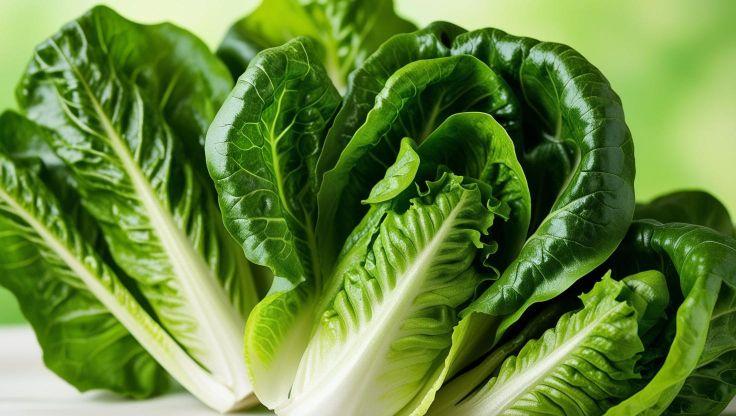

Coriander is one of the most-used herbs in any Australian kitchen, and growing it hydroponically indoors keeps a steady supply on hand all year. Across Australia, hydroponic coriander growers harvest fresh leaves every week, whatever the weather outside.
Quick answer: Coriander grows well in a hydroponic system kept at pH 5.5-6.5, an EC of 1.2-1.8 mS/cm, and air temperatures of 15-22C, with 12-16 hours of light a day. Cooler conditions and slow-bolt varieties keep it producing for weeks.
Growing coriander hydroponically rewards planning over guesswork. Indoors, you control the temperature, so you can grow it all year. Coriander hydroponics also sidesteps the soil pests and patchy germination that frustrate so many outdoor gardeners.
Key takeaways
- Keep the nutrient solution at pH 5.5-6.5 and an EC of 1.2-1.8 mS/cm for steady leaf growth.
- Give coriander 12-16 hours of light at 150-300 PPFD, and hold air temperature at 15-22C to curb bolting.
- Choose slow-bolt cultivars like Calypso, Leisure, or Santo for a longer harvest window.
- Start cutting from about 4-6 weeks, taking no more than 30 percent of the foliage at a time.
Last updated: 19 June 2026
What is coriander (Coriandrum sativum)?
Coriander (Coriandrum sativum) is a fast-growing annual herb grown for its bright, citrusy leaves and its seeds. In Australia and the UK the leaf is called coriander; in the United States it is sold as cilantro, while the dried seed is coriander. Same plant. The naming split matters mainly when you buy seed, which is always labelled coriander seed.
The plant is famous for bolting - rushing to flower and set seed - the moment it gets warm or stressed. That single trait shapes almost every decision you make. Get the conditions right and you get weeks of soft, fragrant leaves; get them wrong and the plant turns bitter and loses its cilantro flavour.
Setting up your hydroponic coriander system
Coriander grown hydroponically needs a stable root environment above all. Here are the numbers worth dialling in:
- pH: 5.5-6.5, which keeps nutrients available to the roots.
- EC: 1.2-1.8 mS/cm (roughly 600-900 ppm on a 0.5-scale TDS meter, more on a 0.7 scale). Coriander is a light feeder, so resist overdosing.
- PPFD: 150-300 umol/m2/s. Coriander does not need blazing light; moderate intensity keeps it leafy.
- Light period: 12-16 hours a day under LED grow lights.
- Air temperature: 15-22C is ideal. Cooler air slows bolting; coriander copes with heat up to about 30C but yields drop off.
- Humidity: 50-70 percent, which also helps fend off powdery mildew.
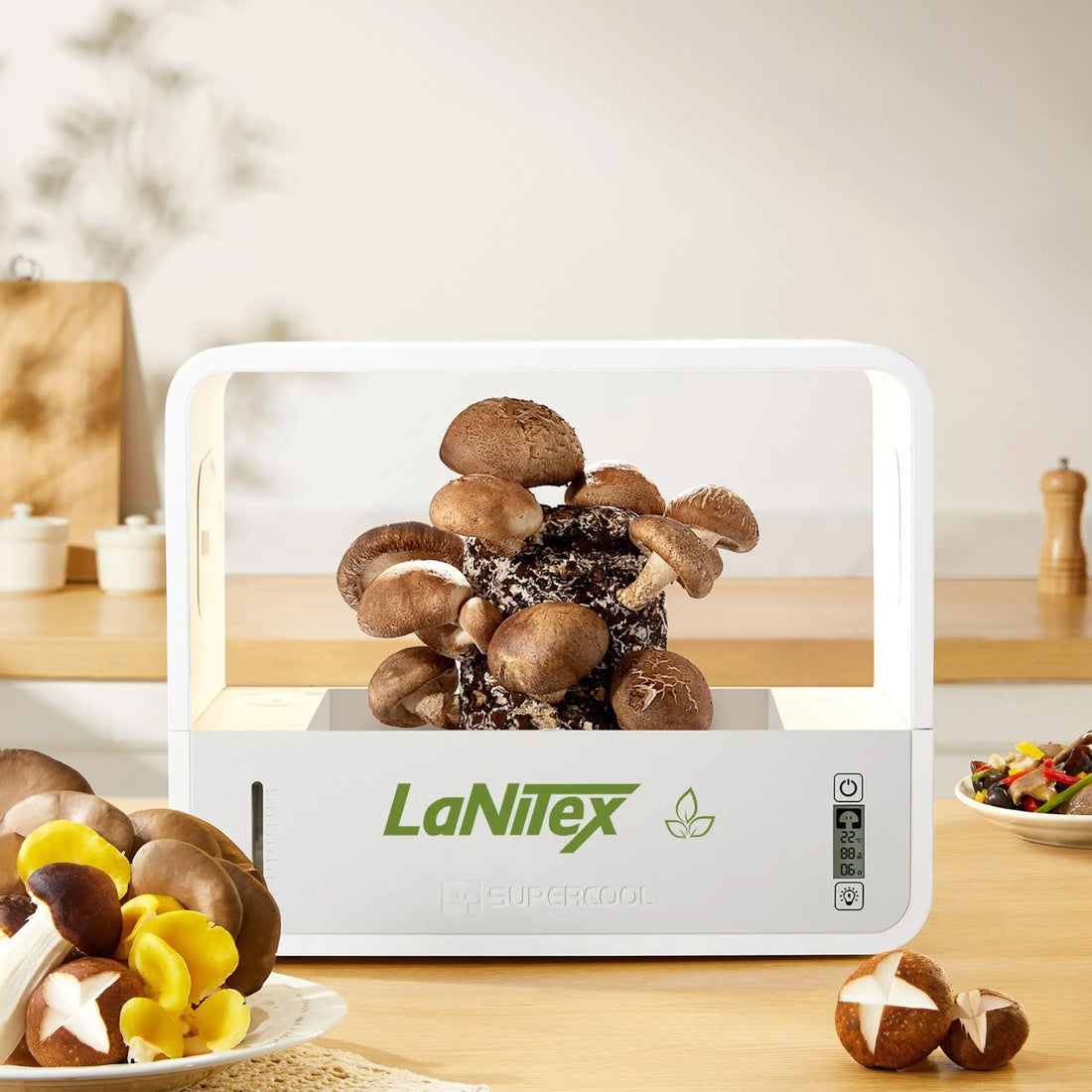
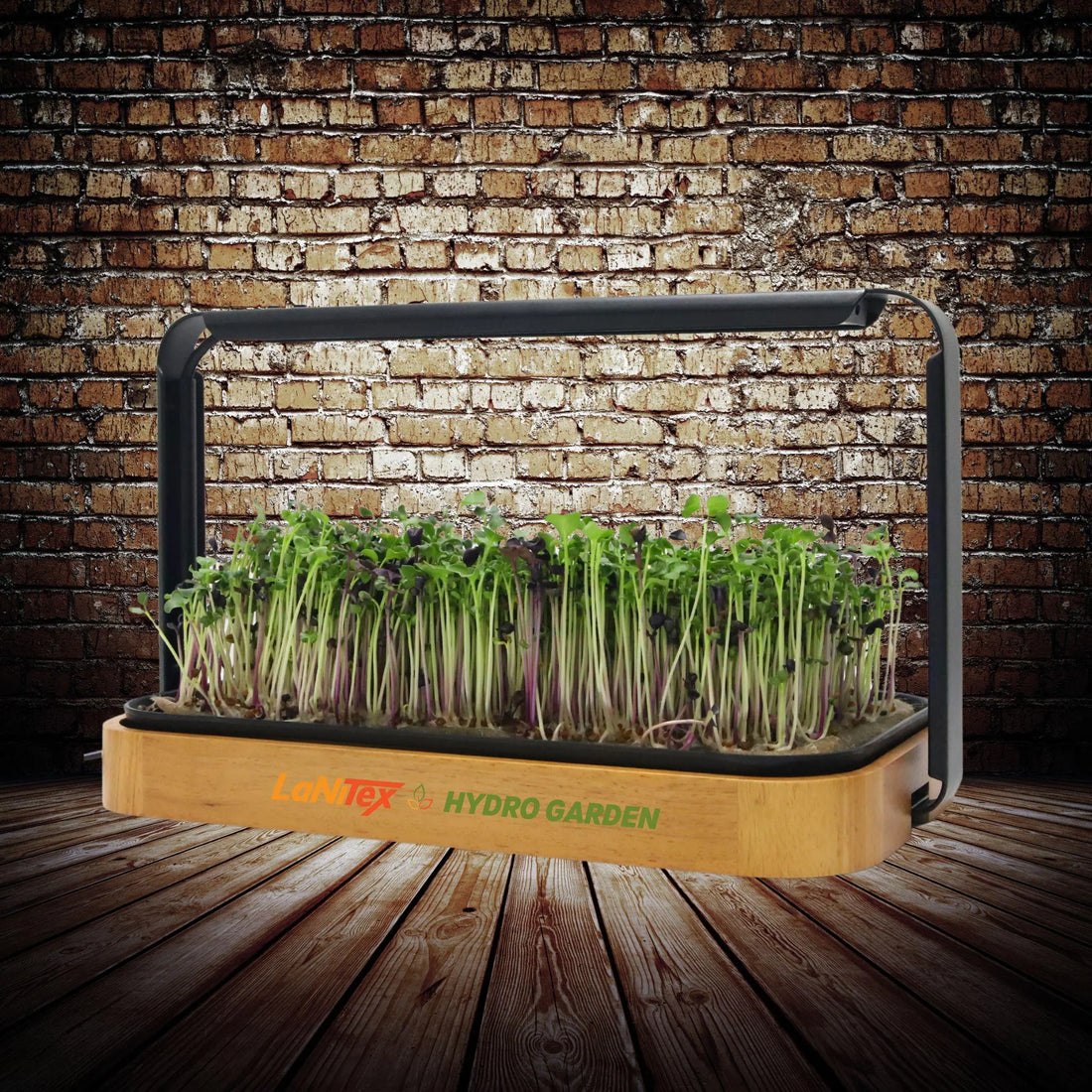
You do not need a warehouse of gear to hit these targets. A compact countertop unit like the Desktop Grow Box ($139, ships Australia-wide) bundles the light, reservoir, and timer into one beginner-friendly kit, so you can start growing without sourcing parts. A cheap pH and EC pen pays for itself fast.
Whatever system you choose, stay on top of the reservoir. Top it up as the level drops, check the pH and EC every few days, and change the nutrient solution completely every one to two weeks so it does not go stale. Keeping light off the tank stops algae taking hold.
My experience growing coriander on the Sunshine Coast
How many times have you bought a beautiful bunch of fresh green coriander at the supermarket, only to open the fridge two days later and find a wilted, yellowing mess? For me, that used to be a regular occurrence -- until I started growing my own at home. It's a completely different feeling when, mid-cooking, I just step over to the plant, snip off a few vibrant green, fragrant leaves, and scatter them straight onto the dish while it's still hot. Not only has the waste disappeared, but the flavour is incomparably more intense.
Running my own setup here on the Sunshine Coast taught me one thing fast: keep it cool and keep cutting. On hot Brisbane and Sunshine Coast afternoons, the indoor unit holds its temperature while the garden bed bakes. That stability is the whole point.

Which hydroponic system suits coriander?
The herb is forgiving enough to grow in almost any hydroponic method, each with a trade-off between cost, fuss, and yield.
| System | How it works | Best for |
|---|---|---|
| Kratky | Passive, no pump - roots draw from a still reservoir | Absolute beginners, low effort |
| NFT | Nutrient film technique - water flows in a thin sheet over the roots | Steady supply, multiple plants |
| DWC | Deep water culture - roots sit in oxygenated water | Fast growth, needs an air pump |
| Ebb and flow | Reservoir floods and drains the tray on a timer | Mixed herb setups |
For a first crop, the Kratky method or a small countertop unit is the path of least resistance - no pump to fail, no plumbing to learn.
Choosing slow-bolt coriander varieties
The variety you pick decides how long you will be harvesting. Slow-bolt cultivars are bred to hold off flowering, buying you weeks of extra leaf.
| Variety | Why grow it |
|---|---|
| Calypso | Very slow to bolt; regrows well after cutting |
| Leisure | Reliable leaf production, good flavour |
| Santo | Standard slow-bolt choice, widely available |
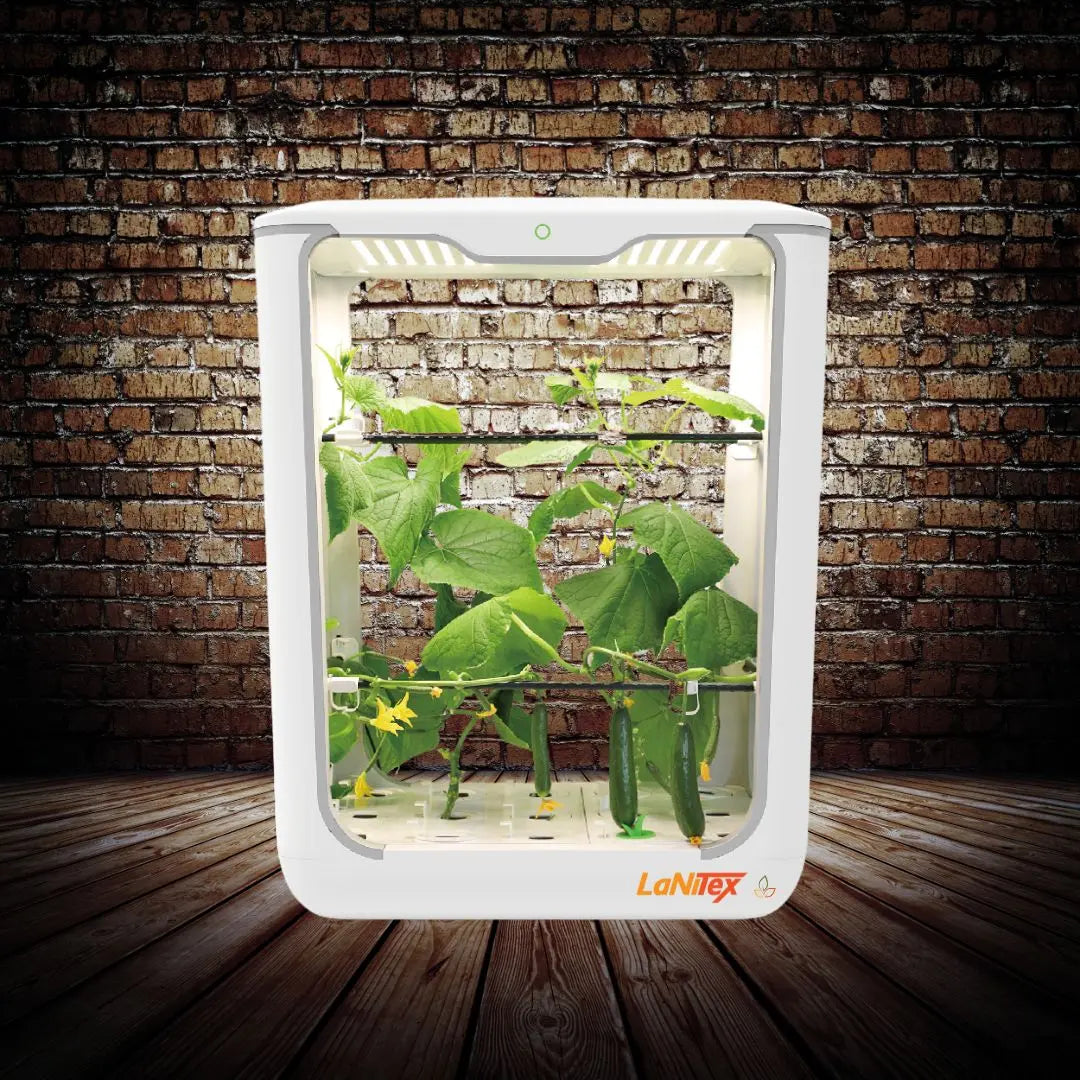
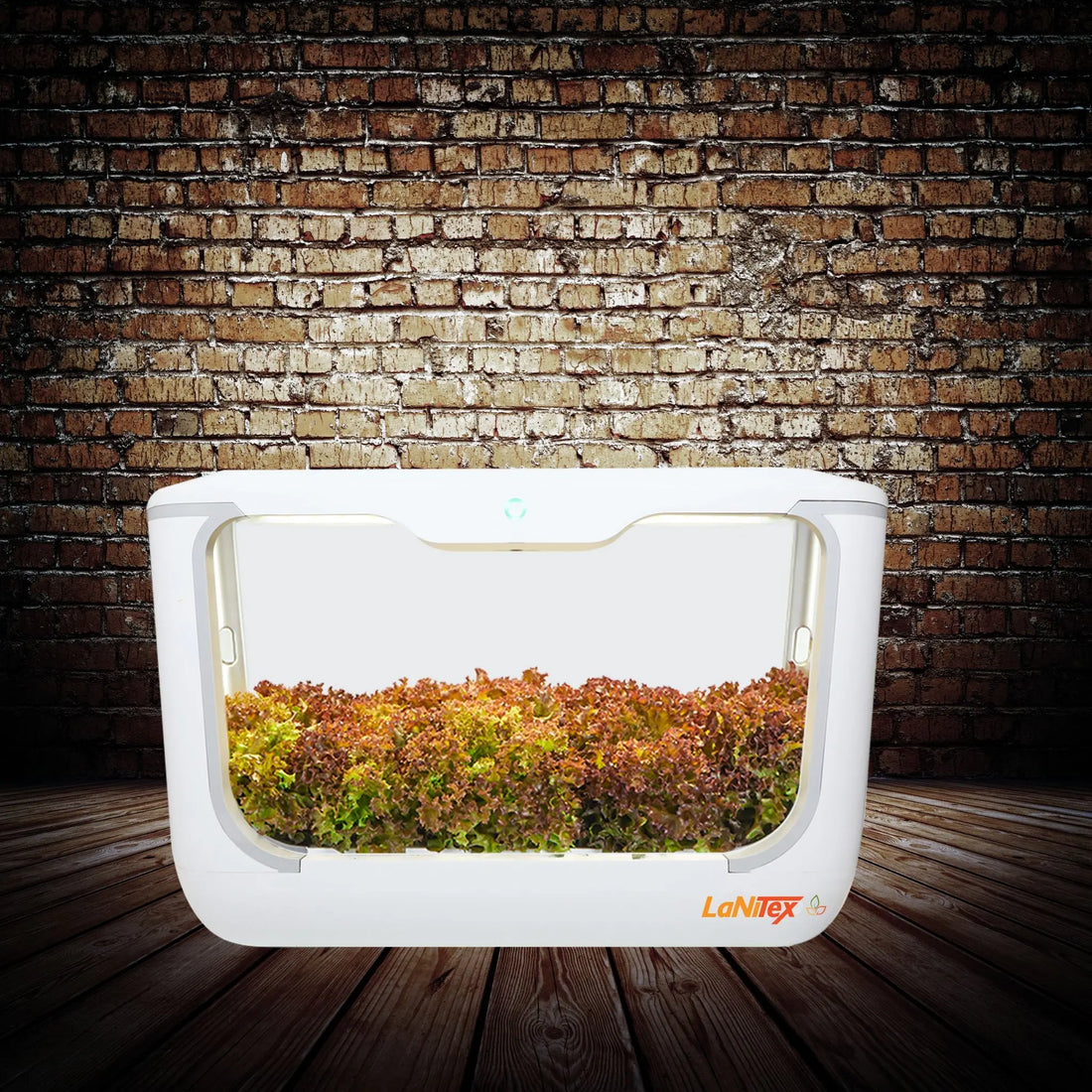
If you cook with coriander often, grow more than one plant and sow a fresh batch every two to three weeks. That way a new plant is coming into leaf just as the last one starts to bolt - the real secret to a year-round supply. A larger unit such as the Smart Grow Box ($429, 15 planting holes) keeps several plants going at once.
From seed to harvest
Coriander seed is actually two seeds fused inside one husk. Gently crack the husk and soak the seed for a few hours before sowing - this lifts germination, which is otherwise slow and uneven, taking 7-14 days. Sow into rockwool or coir starter plugs, the usual hydroponic media. Rockwool leaves the bag at a naturally high pH of around 8, so soak it in pH 5.5-6.5 water first, or it will hold your seedlings back. If germination has let you down before, pre-sprout the seed between damp sheets of paper towel and pot up only the ones that chit. Keep the plugs moist and warm.
Seedlings put on root and leaf over the next few weeks. Once roots poke out of the plug, usually two to four weeks in, move them into your system. Coriander resents having its roots disturbed, so transplant the whole plug rather than teasing the roots apart. Give each plant room - about one per net pot, or 15-20cm apart - so air moves freely between them and they are not competing. From roughly 4-6 weeks, once plants are around 15cm tall, you can start a cut-and-come-again harvest, snipping the outer leaves and leaving the centre to regrow. The golden rule: never take more than 30 percent of the foliage at one cut. Strip a plant bare and it sulks or bolts.
Harvest often. Regular light cutting delays flowering, because the plant keeps putting energy into leaves rather than seed.

Common coriander problems and Australian growing seasons
Most failures trace back to heat and stress:
- Bolting: triggered by heat or stress. Keep the air cool, harvest often, and choose slow-bolt cultivars. Once a flower stalk appears, pinch it out - it won't reverse bolting once it has started, but it buys a little more leafy growth.
- Heat stress: above 30C, growth stalls and flavour fades. Move the unit out of hot afternoon sun.
- Root rot: caused by stagnant, low-oxygen water. Oxygenate the reservoir and don't overcrowd the roots.
- Algae: green slime in the reservoir feeds on light. Block light from the tank with a lid or sleeve.
- Powdery mildew: a white dusting on leaves. Improve airflow and hold humidity at 50-70 percent.
Don't plant coriander into the hottest part of summer outdoors and expect leaf - it will bolt within weeks.
Outdoor sowing windows vary by Australian climate zone: tropical regions suit the cooler dry-season months; subtropical areas like the Sunshine Coast and Brisbane suit autumn, winter, and early spring; temperate zones suit spring and autumn; mediterranean climates favour autumn and winter. An indoor hydroponic system bypasses all of this - you grow year-round regardless of the calendar, which is the real headline advantage.
Frequently asked questions
What is the best pH range for hydroponic coriander?
Keep the nutrient solution between pH 5.5 and 6.5, where coriander takes up nutrients efficiently. A peer-reviewed hydroponic study recorded a workable range of 5.4 to 6.5, so aim for the middle and check your pen every few days.
What EC level should I use for hydroponic cilantro seedlings and mature plants?
The herb is a light feeder, so an EC of 1.2-1.8 mS/cm (about 600-900 ppm on a 0.5-scale meter) suits the whole life cycle. Start seedlings near 1.2 mS/cm and lift towards 1.8 mS/cm as the plant matures. Overfeeding does not speed growth; it stresses the roots.
How many hours of light does hydroponic coriander need indoors?
Give hydroponic coriander 12-16 hours of light a day under LED grow lights, at a PPFD of roughly 150-300 umol/m2/s. Coriander is a cool-season herb that does not want intense light, so moderate intensity over a long day keeps growth leafy rather than leggy.
Which coriander varieties are best for hydroponic systems and slow bolting?
Slow-bolt cultivars are the smart pick because they resist flowering. Calypso, Leisure, and Santo all hold their leaf longer than standard coriander. Calypso is very slow to bolt and regrows well after cutting, making it a strong choice for a continuous indoor supply.
How long does coriander take to harvest in a hydroponic setup?
Seed germinates in 7-14 days, and you can start a cut-and-come-again harvest from about 4-6 weeks. Take no more than 30 percent of the foliage per cut and the plant keeps producing for weeks. Frequent light harvesting also helps delay bolting.
Can I grow coriander in a Kratky hydroponic system without a pump?
Yes. The Kratky method is a passive system with no pump - the roots draw nutrients from a still reservoir as the water level drops. It suits coriander well because the herb is a light feeder, and it is one of the simplest ways to grow coriander indoors.
Why is my hydroponic coriander bolting and how do I stop it?
Coriander bolts when it gets hot or stressed. To slow it, hold the air temperature at 15-22C, choose slow-bolt varieties, and harvest often so the plant stays in leaf-production mode. As the Royal Horticultural Society advises, sow in a cooler location out of midday sun and water in dry spells to delay flowering - indoors, a stable cool setup does the same job year-round.
Is coriander the same as cilantro?
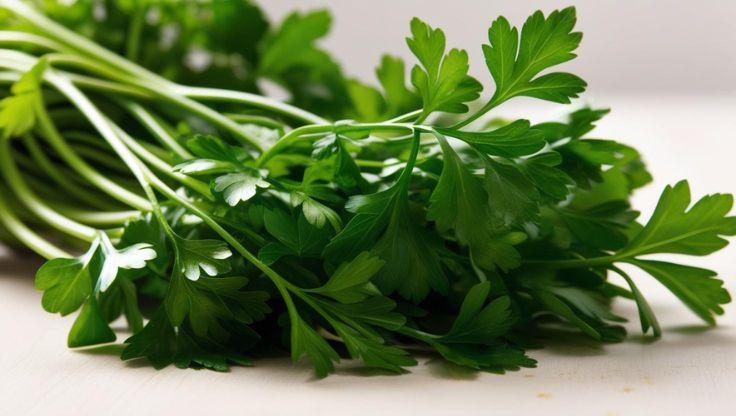
Yes - they are the same plant, Coriandrum sativum. In Australia and the UK the fresh leaf is called coriander; in the United States the same leaf is sold as cilantro, while the dried seed is called coriander. Flat-leaf parsley looks similar but is a different herb, and seed for planting is always labelled coriander seed.
How do you plant coriander seeds in a hydroponic system?
Crack the seed husk and soak the seed for a few hours, then sow into rockwool or coir starter plugs - soak rockwool in pH 5.5-6.5 water first, as it is naturally alkaline. If germination has failed before, pre-sprout the seed between damp paper towel and pot up the ones that sprout. Seed takes 7-14 days to germinate; move seedlings into your system once roots show.
Sources
- Royal Horticultural Society, "How to Grow Coriander" - rhs.org.uk/herbs/coriander/grow-your-own. Used for bolting prevention guidance.
- Revista Engenharia Agricola (SciELO, peer-reviewed), "Hydroponic cultivation of coriander using fresh and brackish waters" - scielo.br. Used for the pH range and temperature tolerance.
About the writer
Laszlo Bulatko founded LaNiTex Hydro Garden in December 2024 and runs it as a solo operator on the Sunshine Coast in Queensland. Before hydroponics, and after starting his career at IBM and Diageo, he spent 15 years in sales, marketing, and brand development in the Hungarian fishing-tackle trade. He tested each LaNiTex product at home before listing it, and he runs the Term-Grow program placing grow boxes in Queensland primary school classrooms. Read more on his founder page.
Topics I write about: hydroponics, indoor gardening, sales and brand development, fishing tackle industry, STEM education.