
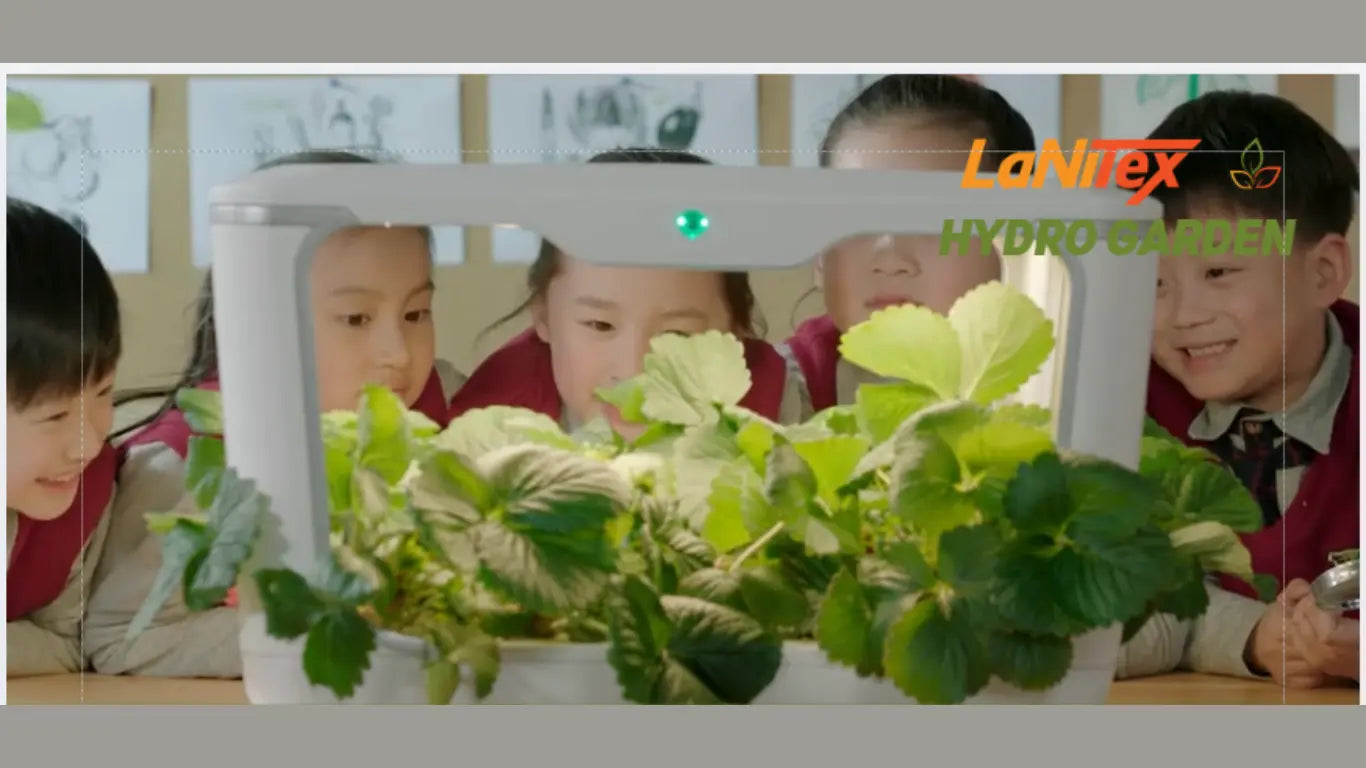
School gardens sound great in theory. In practice, they're often abandoned by Week 3.
-
"It'll eat my time"
Between lesson prep, marking, and excursions — who has bandwidth to babysit a garden?
LaNiTex takes 5 minutes a week. Students do the watering themselves. -
"It'll make a mess"
Soil on the carpet, mud on uniforms, gnats by Week 2.
No soil. No run-off. No pests. It sits cleanly on a bench and recirculates its own water. -
"I'm not a gardener"
What if something dies? What if the students ask questions I can't answer?
No gardening knowledge needed — ever. Setup takes 20 minutes. Laszlo answers questions within 24 hours. -
"What about holidays?"
Two weeks unattended and everything wilts.
LaNiTex systems run unattended for 2–3 weeks. Harvest before you leave — the students love it. -
"It'll blow our budget"
School budgets are stretched — a purchase needs to justify itself.
These systems last for years. Spread across 3 years, 4 terms,
and 25 students, a $429 Grow Box works out to $1.43 per student per term.
And many schools fund the whole thing through a grant anyway.
There's a better way — and it fits neatly on a classroom bench.

Hydroponics that actually works in a school
LaNiTex systems grow food without soil — inside a clean, contained, water-recirculating unit that sits neatly on a shelf or bench. No dirt. No pests. No drips on the carpet.
Students observe root growth, measure plant height, record data, and harvest what they've grown — all within your existing Science and Design & Technology programme, with lesson plans that slot into AC V9.0 and EYLF from day one.
- Setup takes 20 minutes
- 2–3 weeks unattended during school holidays
- No gardening knowledge required — ever
- Choose the right setup for your classroom. Units start from $75 —
that's $0.25 per student per term over three years of use.
Even the most capable system works out to under $1.50 per student per term.
Compare that to a single school excursion.
How it works?
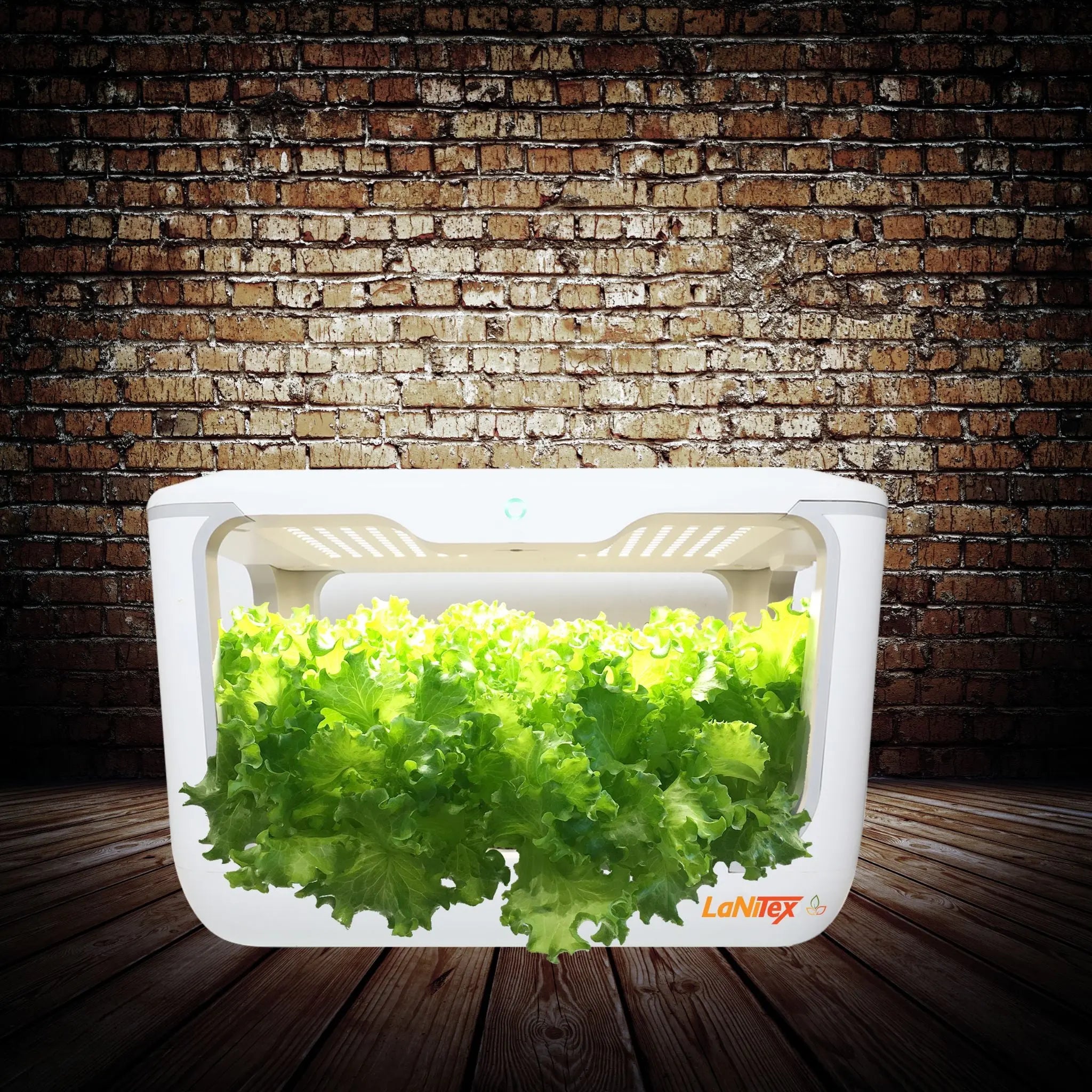

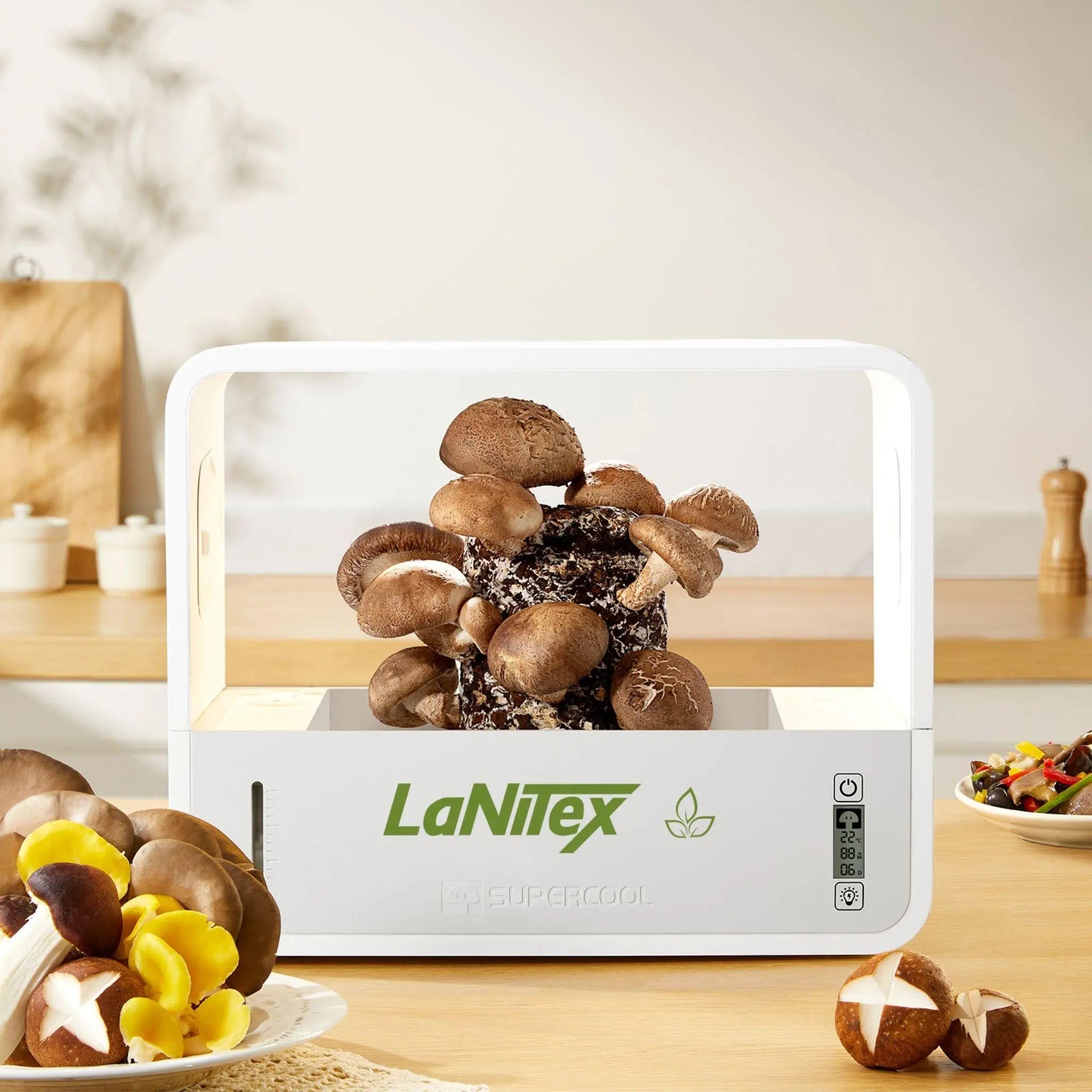
Up and growing in three simple steps
-
🚚 Step 1 — Delivery & Easy Setup
Your system arrives ready to go. The assembly is so simple and intuitive that the students can do it themselves as their first "Design & Tech" task. No tools, no stress. -
🌱 Step 2 — Your students take ownership
Students measure, observe, record, and care for their plants across Science, Design & Technology, and Sustainability. Real learning, mapped to AC V9.0 — no extra planning needed.
-
🥗 Step 3 — They eat what they grow
Harvest day is the highlight of the term. Students pick their own leafy greens, herbs, or mushrooms — and eat them. More than one teacher has told me their class starts checking on the plants before the bell rings — without being asked.
Still wondering if it fits your classroom?
Every school is different — year level, budget, available bench space. **Download the free Teacher Kit to see exactly how it runs in your classroom** — or fill out the form below to chat with Laszlo.
Built for the Australian Curriculum V9.0
No retrofitting. LaNiTex systems slot directly into your existing programme across three learning areas.
Curriculum Benefits at a Glance
| Learning Area | What students do with LaNiTex |
|---|---|
| 🔬 Science | Investigate living things, ecosystems, life cycles, and the physical conditions that affect plant growth — full inquiry cycle from hypothesis to harvest |
| 🛠️ Design & Technologies | Explore how food is grown in managed environments; design, build, and evaluate a real food production system |
| 🌏 HASS | Examine sustainable use of resources, food as a community need, and the geography of where food comes from |
| 📐 Mathematics | Measure plant height, water volume, and harvest mass using metric units; collect, graph, and interpret real growth data |
| 📖 English | Create procedural and informative texts — observation journals, harvest reports, and plant-care instructions — using subject-specific vocabulary |
| 🏃 Health & PE | Connect growing fresh food to nutrition and healthy eating decisions; understand how food choices affect personal and community health |
Detailed Curriculum Alignment
For STEM Coordinators — includes AC V9.0 content descriptor codes
| Product Type | Year Band | Learning Area | AC V9.0 Codes | Topics Covered |
|---|---|---|---|---|
| 🌿 Hydroponics Desktop / Mini Grow Pot Grow Box 15-Hole Grow Box Tall / V5.2 |
ELC / Kindy | Science + Nature Play (EYLF) | EYLF Outcome 2 / Outcome 3 / Outcome 4 / Outcome 5 | Caring for living things, where food comes from, observing growth and change, sensory engagement with plants |
| F – Year 2 | Science — Biological Sciences | AC9S1U01 / AC9S2U01 | Living vs non-living things, basic plant needs, observation skills | |
| Design & Technologies | AC9TDe2FP01 | Where food comes from; simple food growing systems | ||
| Year 3–4 | Science — Biological Sciences | AC9S3U01 / AC9S4U01 / AC9S3U02 | Life cycles, classification, how environment affects survival | |
| Science — Physical Sciences | AC9PS3U01 | LED light as an energy source; light and heat | ||
| Design & Technologies | AC9TDe4FP01 | Food and fibre production; where food comes from | ||
| Year 5–6 | Science — Biological + Inquiry | AC9S5U01 / AC9S6U01 AC9S5I01–03 / AC9S6I01–03 AC9TDe6FP01 |
Photosynthesis, water science, ecosystems; controlled experiments, data collection, graphing, conclusions; sustainable food systems | |
| 🍄 Mushroom Growing Box Smart Mushroom Growing Box |
Year 3–4 | Science — Biological Sciences + Inquiry | AC9S3U01 / AC9S4U01 / AC9S3U02 AC9S3I01–03 / AC9S4I01–02 |
Kingdom Fungi, decomposers, life cycles, classification; observation and data recording |
| Design & Technologies | AC9TDe4FP01 | Food and fibre production; sustainable growing systems | ||
| Year 5–6 & 3–6 | Science — Biological Sciences + Inquiry | AC9S5U01 / AC9S6U01 / AC9S5U02 AC9S5I01–03 / AC9S6I01–03 |
Fungal biology, CO₂ and gas exchange, mycology diversity; hypothesis testing, spore print experiments | |
| Visual Arts + Design & Tech | AC9AVA4E01 / AC9AVA6E01 AC9AVA4C01 / AC9TDE4D01 AC9TDe4FP01 / AC9TDe6FP01 |
Spore print art, scientific illustration, life cycle diagrams; mycelium as sustainable design material | ||
| 🌱 Microgreen Kit Smart Microgreen Kit (Black Metal / Wooden) |
ELC / Kindy | Science + Nature Play (EYLF) | EYLF Outcome 2 / Outcome 3 / Outcome 4 / Outcome 5 | Seed germination basics, caring for plants, sensory exploration, observing growth and change |
| F – Year 2 | Science — Biological Sciences | AC9S1U01 / AC9S2U01 | Seed germination, plant needs (light, water, warmth), simple lifecycle | |
| Health & Physical Education | AC9HP2P04 | Nutrition basics; plant-based foods and healthy eating | ||
| Year 3–4 | Science — Biological Sciences | AC9S3U01 / AC9S4U01 AC9S3I01–03 / AC9S4I01–02 |
Seed structure, monocot vs dicot, life cycles; observation, data collection, dual-variety comparison | |
| Design & Technologies + Health | AC9TDe4FP01 / AC9HP4P04 | Short-cycle food growing; nutrition and food choices | ||
| Year 5–6 | Science — Biological + Inquiry + D&T | AC9S5U01 / AC9S6U01 AC9S5I01–03 / AC9S6I01–03 AC9TDe6FP01 / AC9HP6P04 |
Controlled experiments, variables, photosynthesis; data analysis and graphing; sustainable urban food systems; nutrition | |
| 🌐 All Products Hydroponics / Mushroom Microgreen Kit |
Year 3–4 | HASS — Geography | AC9HS4K06 | Sustainable use and management of resources; custodial responsibility for Country/Place; water conservation |
| Mathematics — Measurement + Statistics | AC9M3M01 / AC9M3M02 AC9M3ST01 / AC9M3ST03 |
Measuring plant height and water volume using metric units; collecting and graphing plant growth data | ||
| Year 5–6 | HASS — Economics & Geography | AC9HS5K08 / AC9HS5K05 | Types of resources satisfying needs and wants; managing environments; food security | |
| Mathematics — Measurement + Statistics | AC9M5M01 / AC9M6M01 AC9M5ST02 / AC9M5ST03 AC9M6ST03 |
Metric units; line graphs of plant growth over time; full statistical investigations — collect, analyse, communicate | ||
| F–6 (all years) | Mathematics — Measurement | AC9MFM01 / AC9M1M02 AC9M2M01 / AC9M4M01 |
Measuring and comparing length, mass and capacity using informal then metric units — plant height, harvest weight, water volume | |
| English — Language + Literacy | AC9EFLA08 / AC9E3LA10 / AC9E5LA08 AC9EFLY06 / AC9E3LY06 / AC9E5LY06 |
Subject-specific and technical vocabulary (plant science); creating informative and procedural texts — observation journals, harvest reports, plant-care instructions | ||
| Health & PE — Personal Health | AC9HPFP06 / AC9HP2P06 AC9HP4P09 / AC9HP6P09 |
Connecting food growing to nutrition and healthy eating decisions; how food choices affect personal and community health |
You're not buying from a warehouse. You're working with Laszlo.
Hi — I'm Laszlo, founder of LaNiTex Hydro Garden and the
person who will answer your call, support your setup, and be reachable
throughout your growing programme.
I started LaNiTex because I believe every child deserves to know where food
comes from — and to feel the pride of growing something with their own hands.
I'm based in Queensland and I'm here to make sure your classroom program
actually works.
When you book a demo, you're not getting a sales pitch.
You're getting a real conversation with someone who cares whether this actually
works in your classroom — and who will still be reachable six months later.
Meet the Founder: Bringing STEM to Life

We're building our founding school cohort for 2026
LaNiTex is at the beginning of something. We're being selective about
which schools we partner with first — because each one becomes a
real demonstration of what hands-on hydroponics looks like in an
Australian classroom.
If you're a STEM Coordinator, classroom teacher, or ELC Director
who wants to be one of the first schools in Queensland to run this,
now is the right time. You'll get personal setup support,
and your classroom becomes part of the story we tell every school after you.
📄 Free download — no email needed: Complete, ready-to-teach lesson plans, fully AC V9.0 coded.
-

Microgreen Lesson Plan — Foundation to Year 2
Download FreeComplete 2-week unit. 4 × 60-minute lessons + daily check-ins. Covers seed germination, plant needs, nutrition, and food production. AC V9.0 coded. Ready to teach — no prep required.
-

Microgreens Lesson Plan — Year 3–4
Download Free2 weeks · 4 lessons + daily check-ins · Smart Microgreen Kit. Seed structure, monocot vs dicot, life cycles, nutrition, food systems. Includes dual-variety comparison and harvest activity.
-

Microgreens Lesson Plan — Year 5–6
Download Free3 weeks · 6 lessons · Smart Microgreen Kit. Controlled experiments, variables, photosynthesis, sustainable food systems, data analysis. Full scientific method — hypothesis to conclusion.
-

Hydroponics Lesson Plan — Foundation to Year 2
Download Free3 weeks · 5 lessons · Desktop Grow Box & Mini Grow Pot. Living vs non-living, basic plant needs, observation skills. Differentiated for F, Year 1, and Year 2.
-

Hydroponics Lesson Plan — Year 3–4
Download Free4 weeks · 6 lessons · Grow Box 15-Hole. Classification, life cycles, soil vs soil-free comparison, LED light as energy source. Includes student observation journal.
-

Hydroponics Lesson Plan — Year 5–6
Download FreeFull-term unit · Grow Box Tall or V5.2. Photosynthesis, water science, ecosystems, sustainable food systems. Data collection, graphing, and scientific reporting.
-

Mushroom Growing Lesson Plan — Year 3–4
Download free3 weeks · 6 lessons · Smart Mushroom Growing Box. Kingdom Fungi, decomposers, lifecycles, classification. Sorting activities and concept maps. Pins visible in 3–5 days.
-

Mushroom Growing Lesson Plan — Year 5–6
Download Free3 weeks · 6 lessons · Smart Mushroom Growing Box. Fungal biology, CO₂ and gas exchange, spore prints, mycology, sustainable food systems. Full scientific method — hypothesis to conclusion.
-

Mushroom — Art, Design & Science (Year 3–6)
Download Free2 weeks · 4 lessons · Smart Mushroom Growing Box. Spore print art, scientific illustration, life cycle diagrams, mycelium as sustainable material — design challenge included. Science + Visual Arts + Design & Tech.


FUNDRAISING PROGRAMME
A fundraiser that runs itself — and earns three ways.
Term-Grow is a 10-week at-home growing programme for your school's families. You send one newsletter. LaNiTex Hydro Garden handles delivery, parent emails, payments, and kit collection at the end of term.
How your school earns:
Rental commission — paid immediately
Every family who signs up pays $50–$100 to rent a kit. Your school earns $5–$10 per family, paid within 5 business days of Pickup Day. Before a single seed goes in the tray.
Rent-to-own commission — Week 10
Most families keep their kit at the end of term — their child has been growing with it for 10 weeks and doesn't want to give it back. Your school earns 10% of the purchase price when that happens.
Refill commission — ongoing
Every kit includes a Golden Ticket fridge magnet with your school's QR code. Families scan it to reorder seeds and nutrients. Your school earns 10% each time, for as long as they keep the machine on the bench.
By Week 10, your school has earned — without running a stall, selling anything, or chasing anyone for money.
Your school's total time: about two hours per term.
Week 0 — Forward one newsletter (5 minutes)
LaNiTex Hydro Garden writes every word. You press forward.
Week 1 — Pickup Day (30 minutes)
Kits arrive pre-labelled before 8am. Students collect them before the bell.
Week 10 — Drop-Off Day (60–90 minutes)
Families arrive and, after renting them, return the items they do not wish to purchase.
If a parent has a question, they contact Laszlo — not your school office. Kit collection happens within 2 school days of Week 10. Your school does not chase anyone.
Not sure which kit suits your school?
Download the Product Comparison GuideBuild your classroom growing programme — one product at a time
-
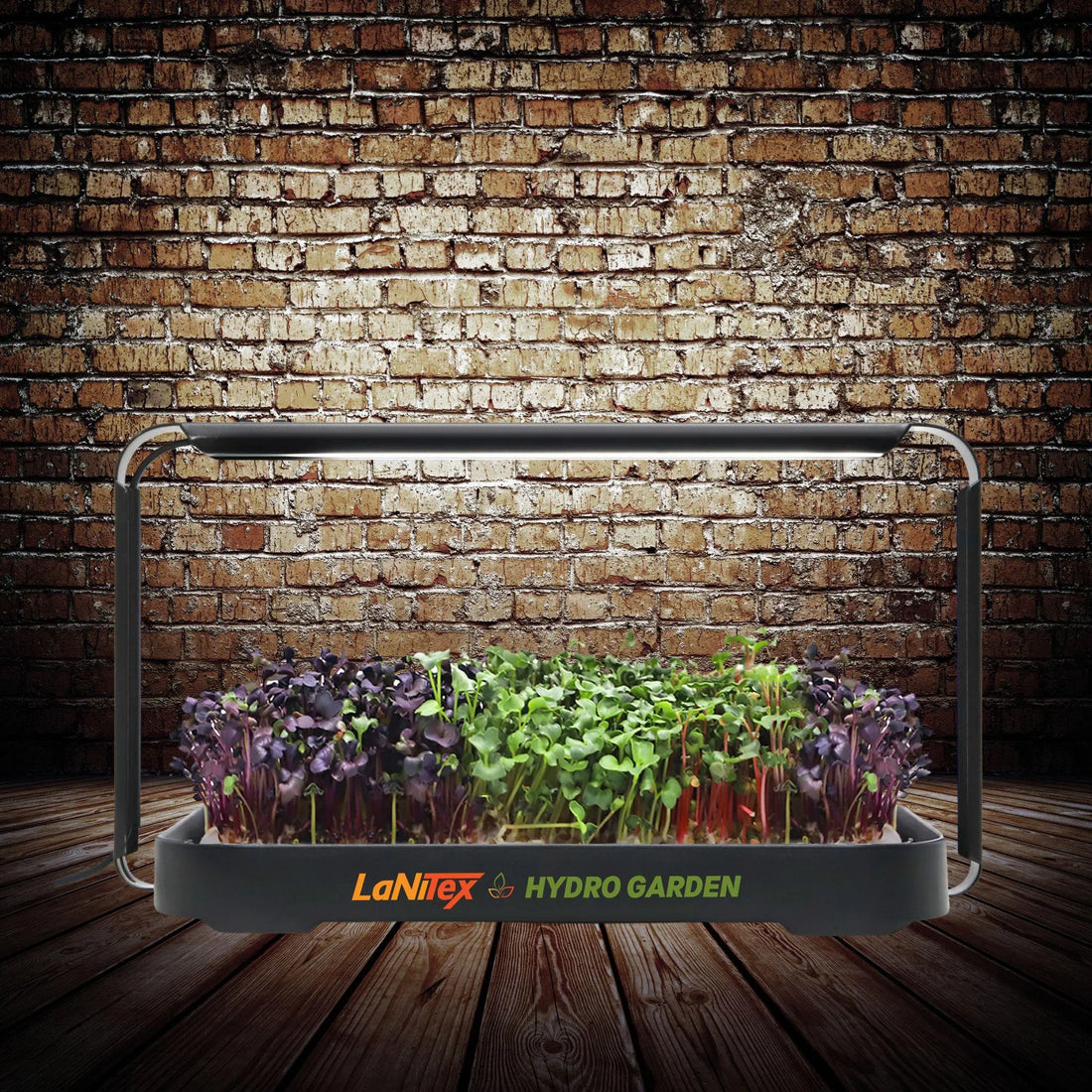 Smart Microgreen Kit black metal styleSmart Microgreen Kit black metal style
- Regular price
-
$129.00 AUD - Regular price
-
- Sale price
-
$129.00 AUD
Quick view
-
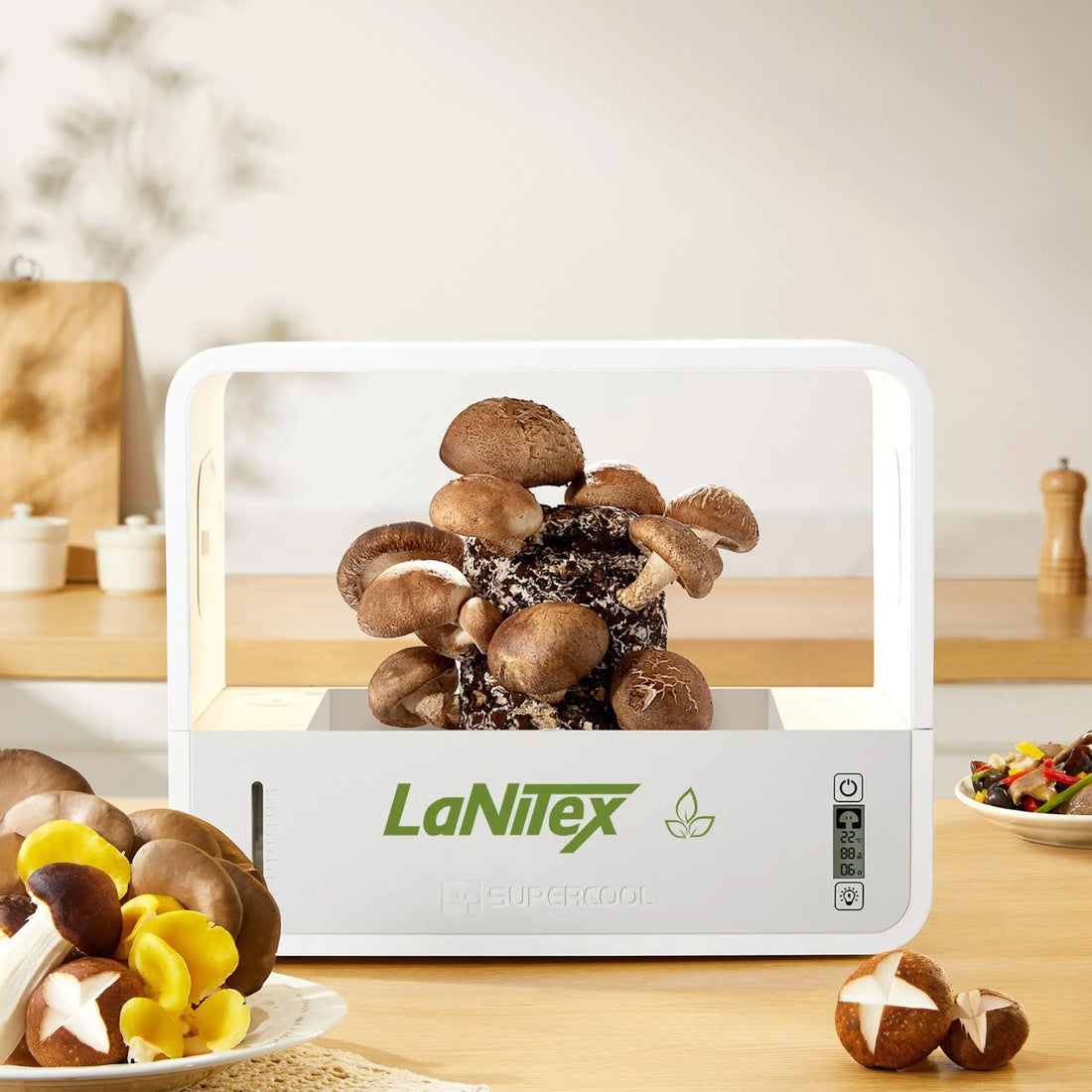 Smart Mushroom Growing BoxSmart Mushroom Growing Box
- Regular price
-
$219.00 AUD - Regular price
-
- Sale price
-
$219.00 AUD
Quick view
-
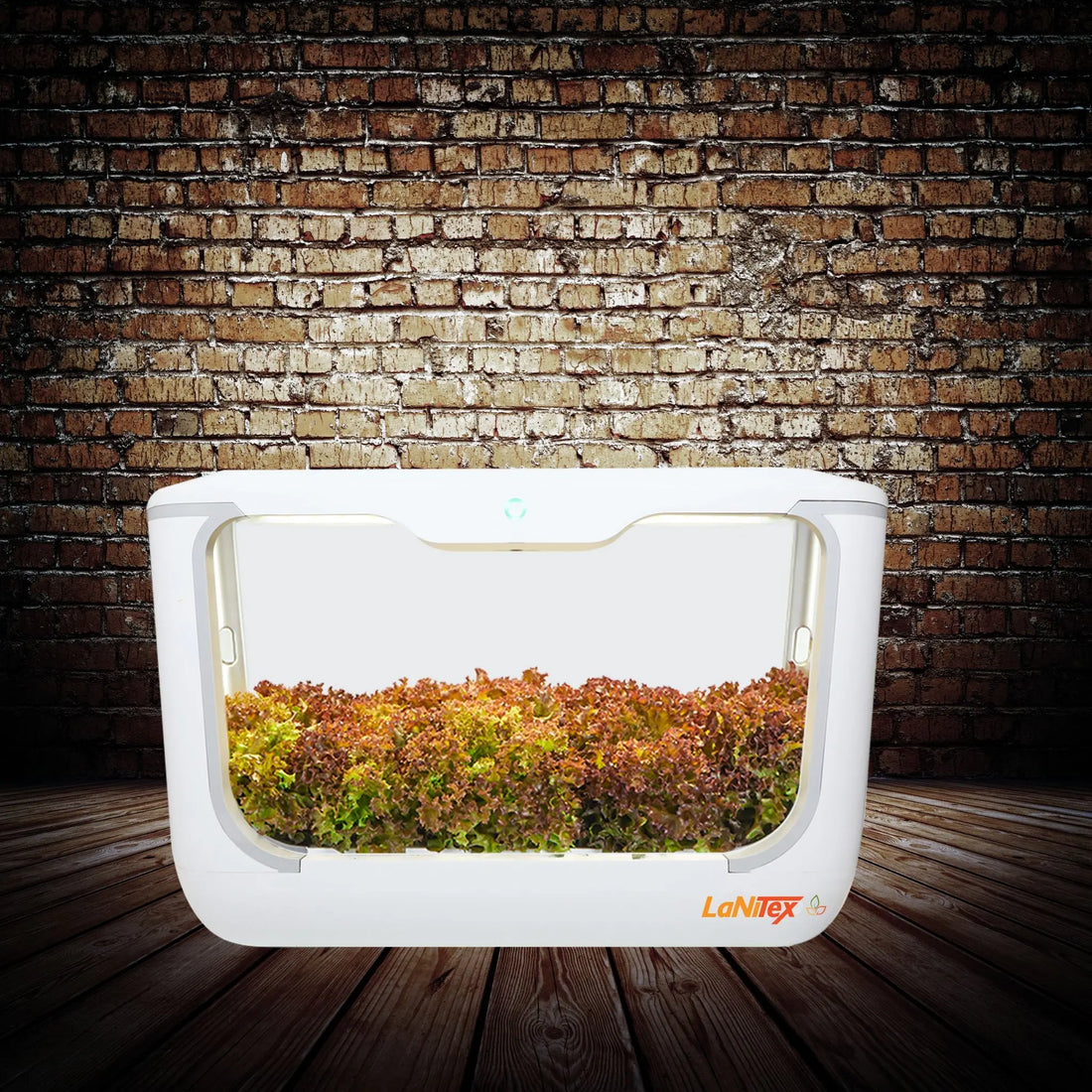 Hydroponic System: Grow Box - Smart Hydro Garden SolutionHydroponic System: Grow Box - Smart Hydro Garden Solution
- Regular price
-
$429.00 AUD - Regular price
-
- Sale price
-
$429.00 AUD
Quick view
-
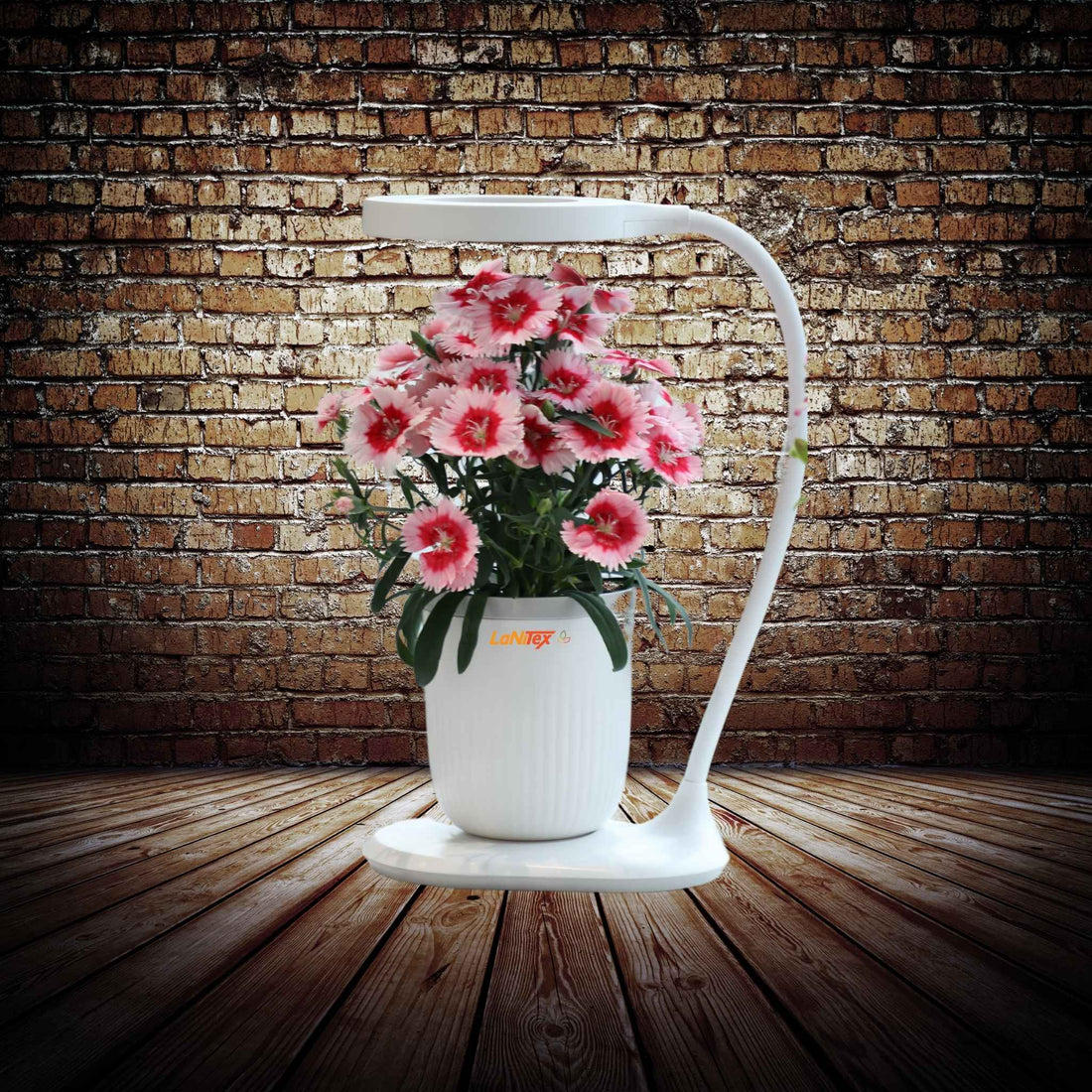 Hydroponic System: Indoor Mini Hydroponic Grow Pot Z 2.4Hydroponic System: Indoor Mini Hydroponic Grow Pot Z 2.4
- Regular price
-
$75.00 AUD - Regular price
-
- Sale price
-
$75.00 AUD
Quick view
-
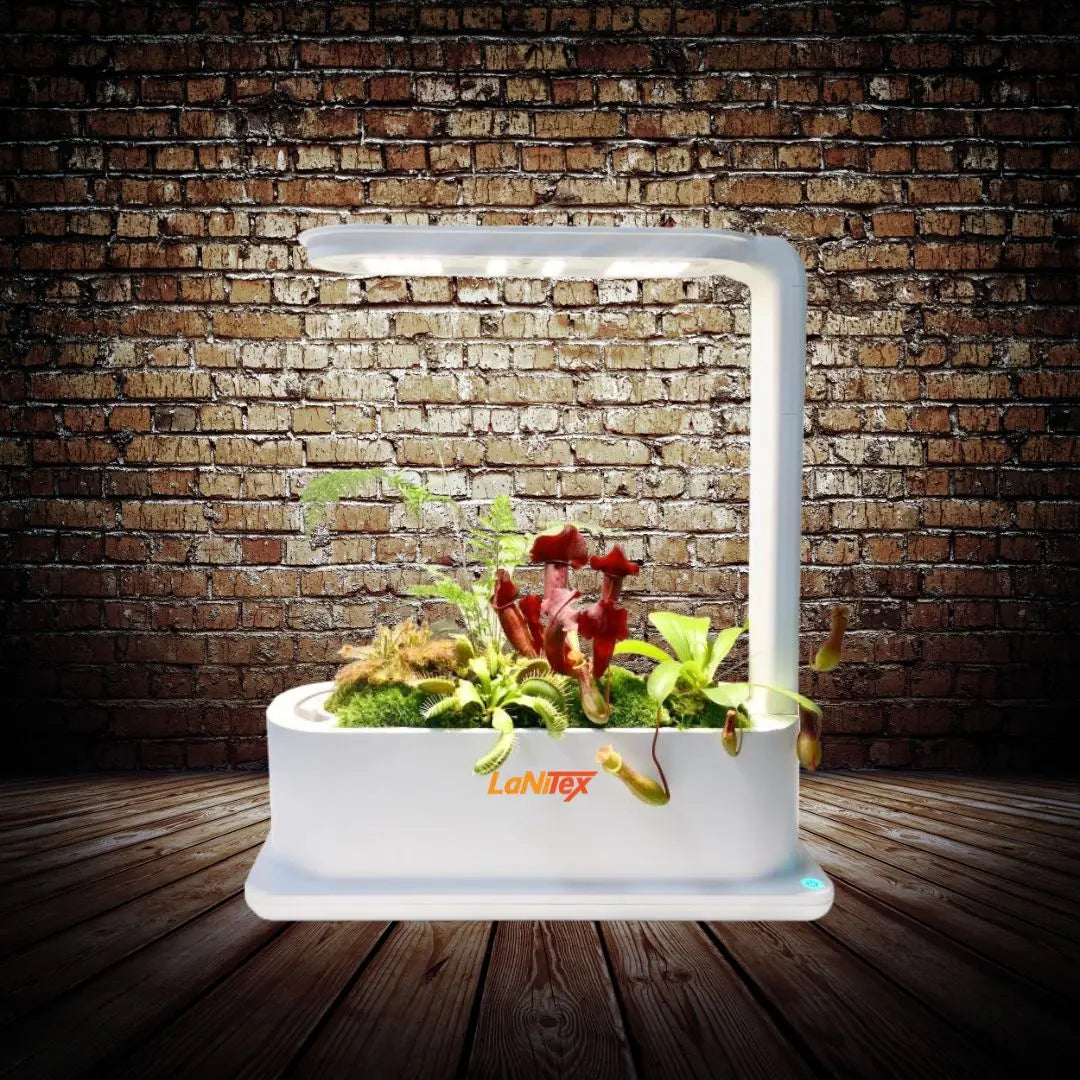 Hydroponic system: Hydroponic Desktop Grow BoxHydroponic system: Hydroponic Desktop Grow Box
- Regular price
-
$139.00 AUD - Regular price
-
- Sale price
-
$139.00 AUD
Quick view
-
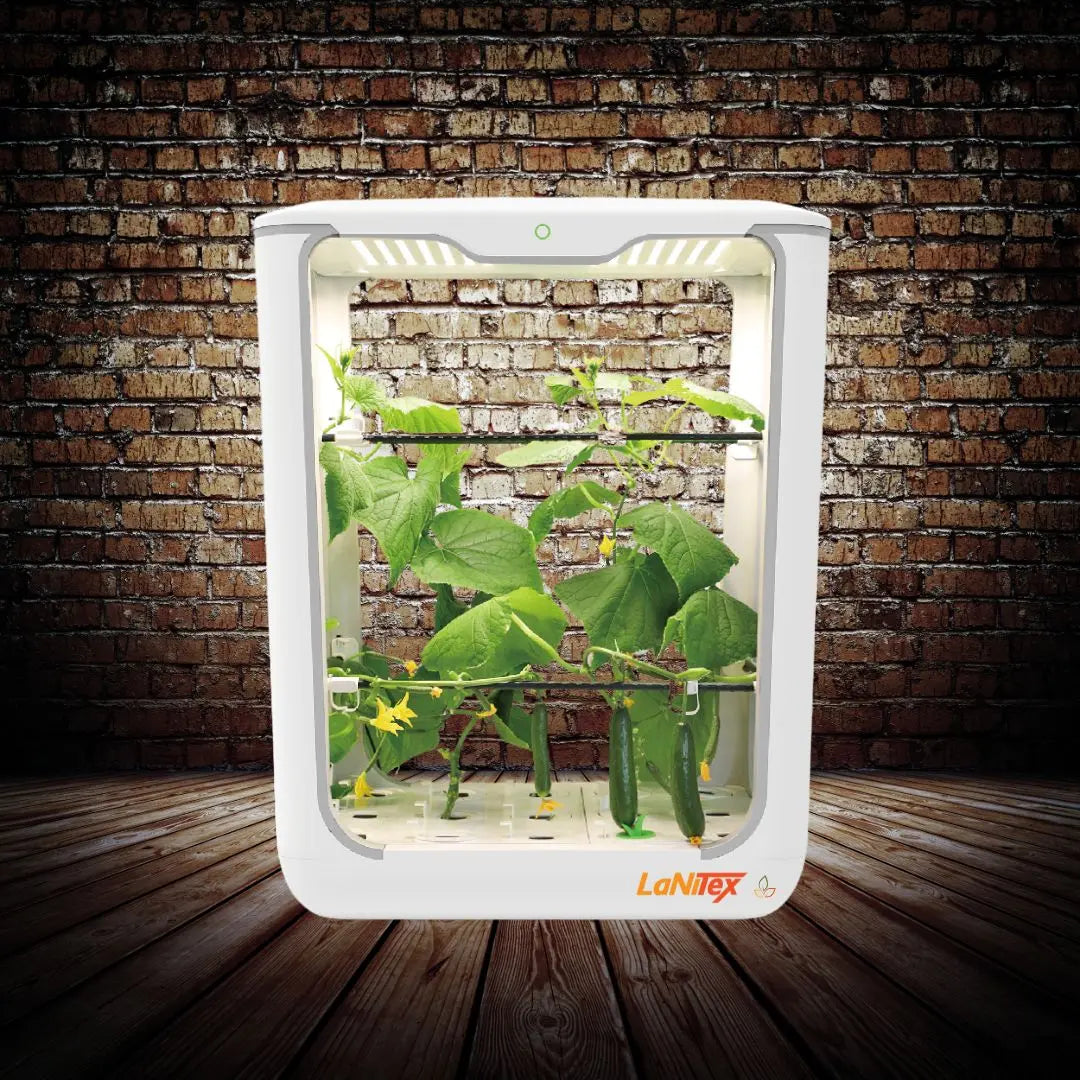 Hydroponic system: Grow Box Tall versionHydroponic system: Grow Box Tall version
- Regular price
-
$650.00 AUD - Regular price
-
- Sale price
-
$650.00 AUD
Quick view
-
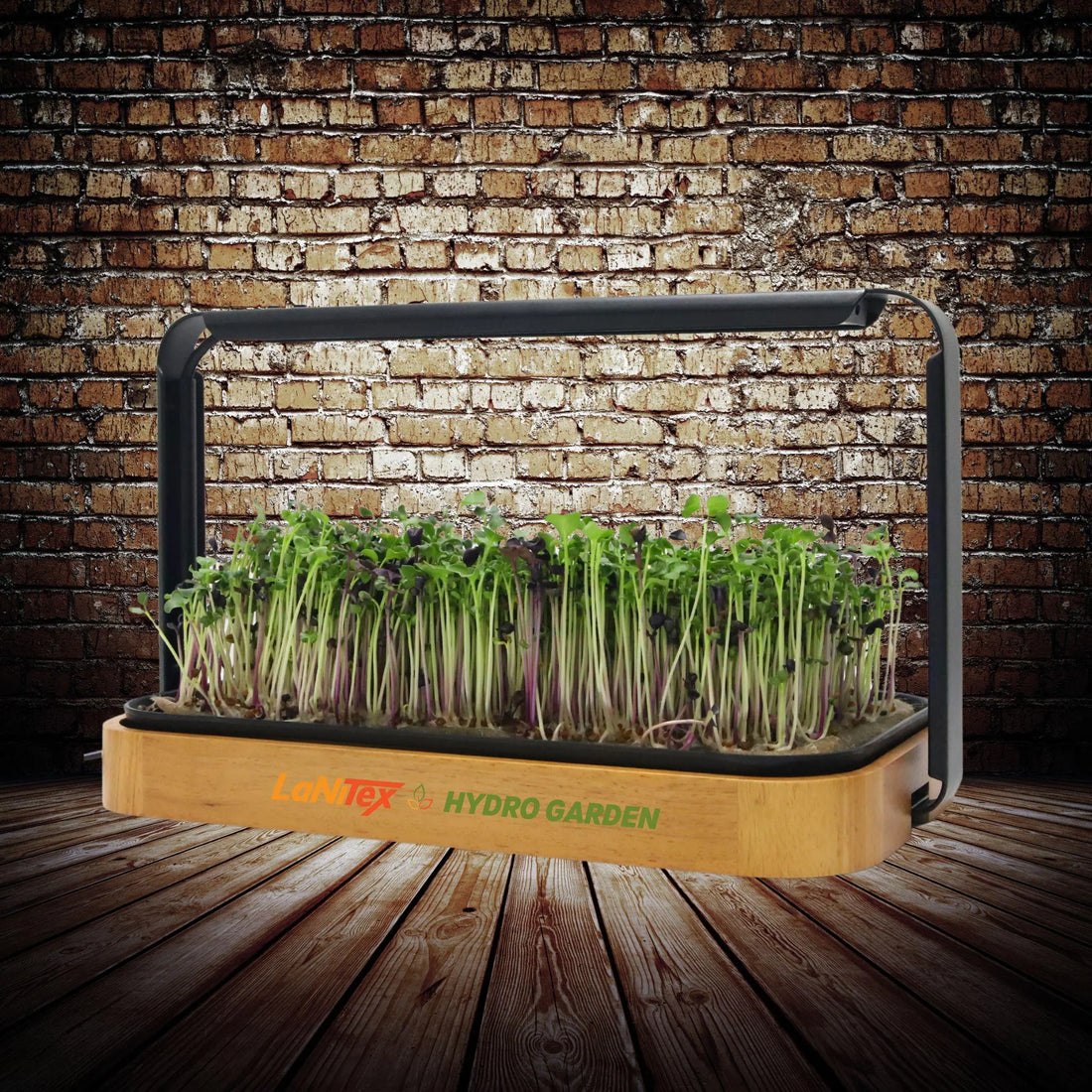 Microgreen Kit wooden styleMicrogreen Kit wooden style
- Regular price
-
$189.00 AUD - Regular price
-
- Sale price
-
$189.00 AUD
Quick view
-
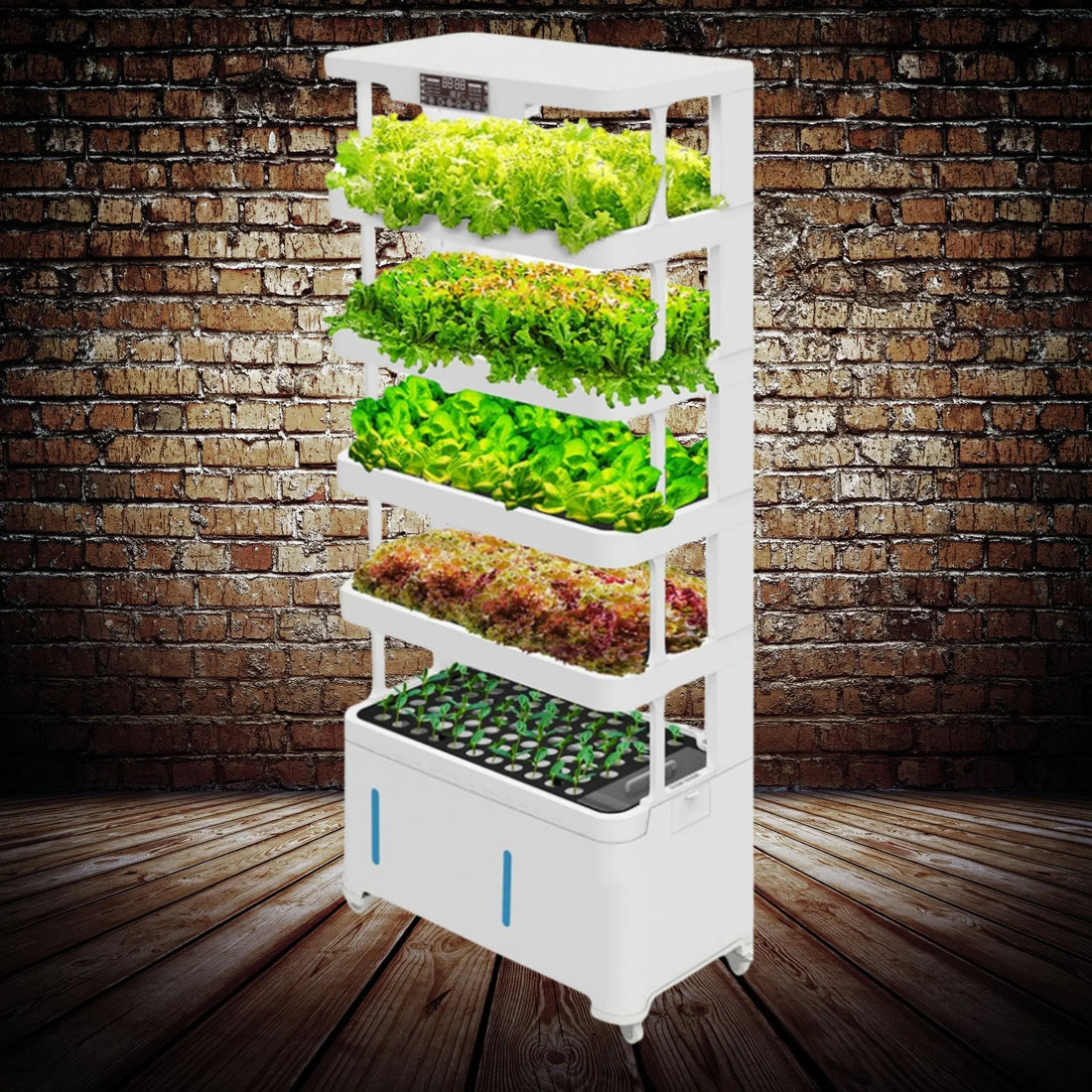 Hydroponic system: Indoor Hydroponic Vegetable Garden V5.2-AHydroponic system: Indoor Hydroponic Vegetable Garden V5.2-A
- Regular price
-
$1,990.00 AUD - Regular price
-
- Sale price
-
$1,990.00 AUD
Quick view
Common questions from teachers and principals
Do you accept school purchase orders?
Yes. We accept purchase orders with Net 30 payment terms, as well as EFT bank transfer and credit card. We provide a GST tax invoice with every order. ABN: 47 682 768 967.
What's included in the price?
Every system ships with everything you need for your first grow: the unit, growing media, seeds or substrate, and Australia-wide courier delivery. You also get a Teacher Starter Kit and curriculum-aligned lesson plans mapped to AC V9.0 and EYLF — all included, no add-ons required.
What does it cost after the first year?
Consumables (seeds, nutrients, growing media) run approximately $30 to $50 per year depending on the system. That covers a full year of growing — less than the price of a single textbook.
What if something breaks?
All systems come with a 12-month warranty covering manufacturing defects and component failure under normal use. If something goes wrong, Laszlo responds within one business day. Replacement parts are express-posted within two business days; replacement units within five.
Can we trial a unit before committing?
The best way to see the system is a free 15-minute Google Meet demo — Laszlo shows a live Grow Box, walks through the lesson plans, and answers every question. No travel, no obligation. If you want to start small, the Mini Grow Pot at $75 lets a single class trial hydroponics with minimal commitment.
How long does maintenance take each week?
About 5 minutes. Students top up the water reservoir once or twice a week and do a quick visual check on the plants. No soil, no weeding, no watering cans, nothing to clean up. Most teachers tell us it becomes a quick morning ritual the students look forward to
What happens to the plants during school holidays?
Our systems hold enough water to keep plants thriving for 2–3 weeks without any attention. For longer breaks, we recommend harvesting before you leave — which makes for a fantastic end-of-term activity. We've never had plants die over a school holiday break.
Do I need gardening knowledge to run this?
Not at all. The system arrives ready to assemble in under 20 minutes with the included quick-start guide. We leave you with a simple care guide, and our team is always a phone call away. If something looks unusual, send a photo — we'll diagnose it within 24 hours.
Will it create mess in my classroom?
No. The system is fully contained and recirculating — no soil, no run-off, no drips. It sits cleanly on a bench or shelf. The only thing that touches the floor is the occasional dropped lettuce leaf at harvest time.
Is this suitable for Foundation and early primary students?
Absolutely. Our Desktop Grow Box and Mini Grow Pot are designed for ELC through Year 2 — simple enough for five-year-olds to manage independently, with lesson plans aligned to EYLF and AC V9.0 Foundation outcomes.
- Choosing a selection results in a full page refresh.