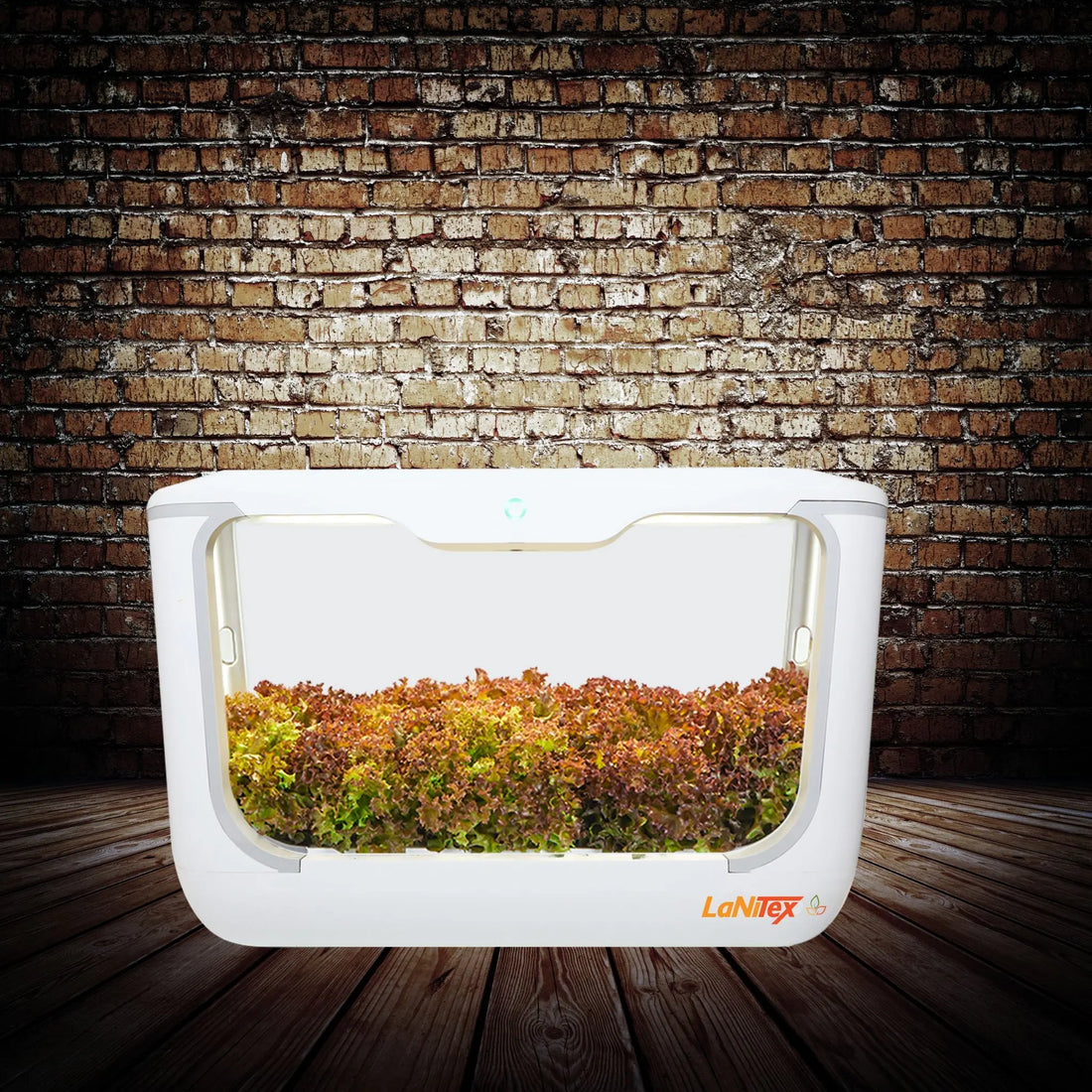

Hydroponic System: The Future of Indoor Gardening

1. What is a Hydroponic System?
A hydroponic system is an advanced method of plant cultivation that eliminates soil, using water-based nutrient solutions instead. This process ensures that plants receive essential minerals and nutrients directly to their roots, maximising absorption and accelerating growth.
Types of Hydroponic Systems:
Deep Water Culture (DWC) – Plants float in nutrient-rich water for optimal absorption.
Nutrient Film Technique (NFT) – Thin nutrient layers circulate past plant roots, keeping them hydrated.
Aeroponic Tower – Roots are suspended in air, misted with a nutrient solution for rapid growth.
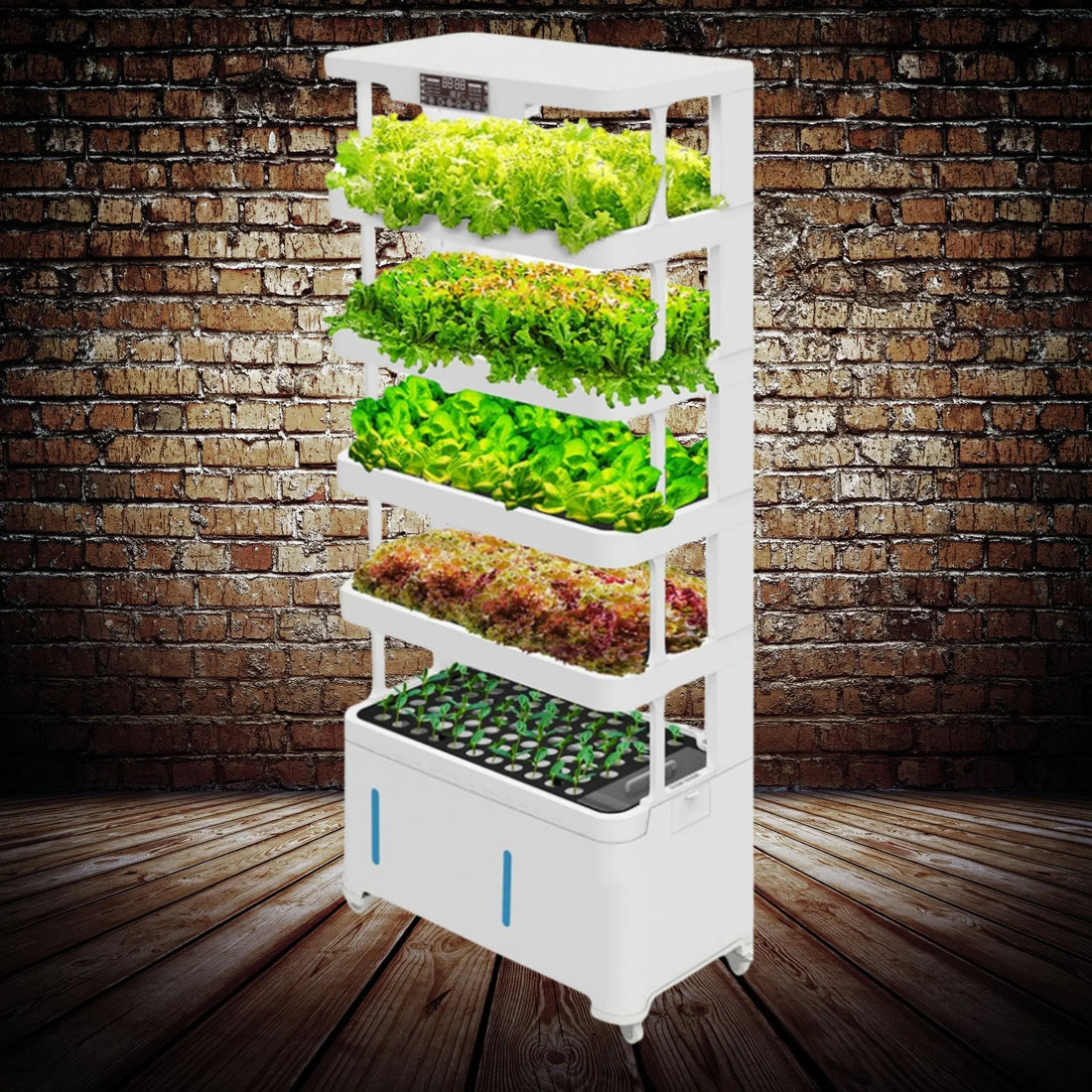
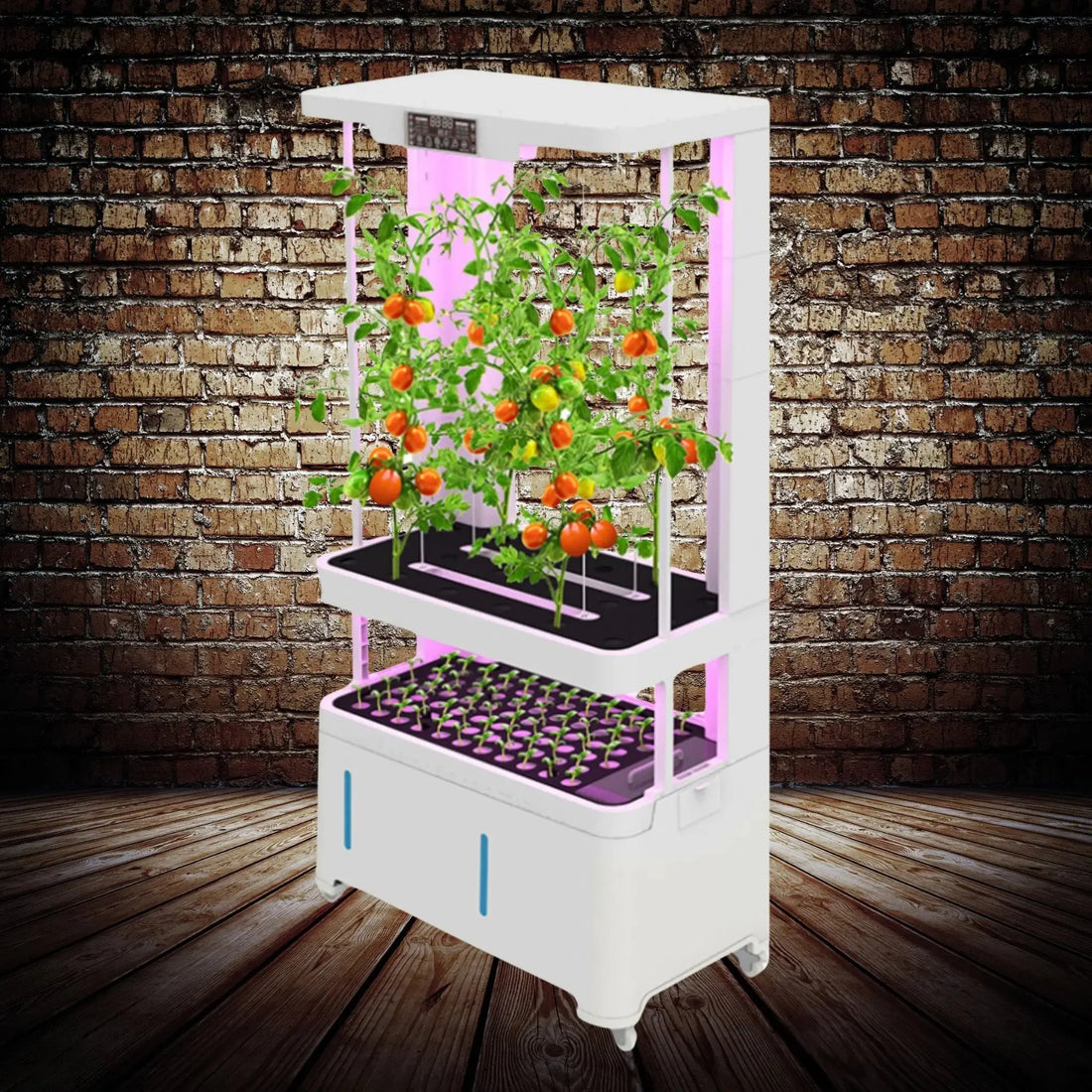
Hydroponic Tower – Vertical gardening with stacked plants, maximising space efficiency.
Hydroponic systems use up to 90% less water than traditional farming methods.
2. Key Benefits of Indoor Hydroponic Gardening
Maximised Growth & Higher Yield
Unlike traditional soil-based methods, hydroponic gardening ensures that plants get nutrients precisely when needed, accelerating growth and increasing production.
Because hydroponic systems allow precise control over nutrient delivery, growers consistently see faster growth and more predictable harvests compared to soil-based methods.
Space-Saving Design
A hydroponic tower or aeroponic tower allows growers to maximise vertical space, making indoor hydro gardens ideal for small living areas.
Tip: Vertical hydroponic towers can increase crop yield per square foot by up to 300%.
Superior Water Efficiency
Compared to traditional farming, hydroponic systems use significantly less water due to their closed-loop design, reducing waste while preserving valuable resources.
Hydroponic systems reduce water usage by up to 90%, making them one of the most sustainable growing methods available.
3. Hydroponic Systems vs. Traditional Soil Gardening
|
Feature |
Hydroponic System |
Traditional Soil Gardening |
|---|---|---|
|
Growth Rate |
30–50% faster growth |
Dependent on soil quality & weather |
|
Water Usage |
Up to 90% less water |
High water consumption |
|
Space Efficiency |
Vertical growing with hydroponic towers |
Large land areas required |
|
Pest Resistance |
Minimal pests due to lack of soil |
Prone to soil-borne diseases |
Research from Wageningen University confirms that hydroponic growers can optimise crop production with fewer resources and greater efficiency than traditional soil-based agriculture.
4. Setting Up Your Own Indoor Hydroponic System
Step-by-Step Guide
Choose Your Hydroponic System – Decide between DWC, NFT, aeroponic, or hydroponic tower based on space and plant type.
Select High-Quality Nutrients – Ensure your plants receive balanced mineral solutions for optimal growth.
Optimise Lighting Conditions – Use LED grow lights for consistent indoor illumination.
Maintain Proper Water pH Levels – Regularly test and adjust pH to keep plants healthy.
Monitor Growth & Harvest Regularly – Ensure plants receive adequate support, airflow, and nutrients.
Best Plants for Hydroponic Systems
Leafy Greens (Lettuce, Spinach, Kale)
Herbs (Basil, Mint, Cilantro)
Strawberries & Tomatoes (For fruit-bearing hydro gardens)
Hydroponic strawberries can grow up to 40% larger compared to soil-grown strawberries.
Conclusion: Embracing Hydroponic Innovation
A hydroponic system is an essential tool for modern indoor gardening, delivering higher efficiency, better yield, and sustainable growing solutions. With hydroponic towers, aeroponic technology, and eco-conscious cultivation, growers can produce fresh, nutrient-rich crops with less environmental impact.
As demand for sustainable food production grows, hydroponic agriculture is leading the way — offering growers a proven path to higher yields with lower resource use.
About the Author
Written by Laszlo Bulatko, Founder of LaNiTex Hydro Garden. With over 15 years of experience in international business and strategic development, Laszlo is now pioneering smart indoor farming solutions on the Sunshine Coast. Based in Sippy Downs, Queensland, he is passionate about helping Australian families, hobbyists, and schools achieve success with sustainable, year-round gardening.
Have questions about hydroponics? Contact Laszlo here or follow our latest updates on Facebook and Instagram. You can also find him on LinkedIn for professional inquiries